


DDP Shipping from China Explained: Costs, Taxes, and Delivery Process for Importers
Introduction
DDP (Delivered Duty Paid) shipping has become one of the most popular logistics solutions for businesses importing goods from China. It offers a simple, all-inclusive approach where the seller or freight forwarder handles almost every step of the shipping process, including customs clearance and import taxes.
For importers—especially small and medium-sized businesses—DDP shipping reduces complexity, minimizes risk, and provides clear total costs before the shipment even begins.
This guide explains how DDP shipping works, what costs are included, how taxes are calculated, and when it is the best choice for your business.
What is DDP Shipping?
DDP stands for Delivered Duty Paid, an international shipping term defined under Incoterms.
Under DDP terms:
- the seller is responsible for delivering goods to the buyer’s address
- all transportation costs are included
- export and import customs clearance are handled
- import duties and taxes are paid by the seller
This means the buyer receives the goods without needing to manage logistics or deal with customs procedures.
DDP Shipping Process
DDP shipping follows a complete end-to-end logistics process.
Step 1: Supplier Pickup
The freight forwarder collects goods directly from the supplier’s warehouse in China.
Step 2: Export Customs Clearance
All export documentation is prepared and submitted to Chinese customs authorities.
Step 3: International Transportation
Cargo is transported via:
- sea freight
- air freight
- rail freight
Step 4: Import Customs Clearance
The logistics provider handles customs clearance in the destination country, including duty and tax payments.
Step 5: Final Delivery
Goods are delivered directly to the buyer’s warehouse, office, or fulfillment center.
What Costs Are Included in DDP?
One of the biggest advantages of DDP shipping is transparent pricing.
Included Costs
- pickup from supplier
- export customs clearance
- international freight charges
- import customs clearance
- duties and taxes
- last-mile delivery
This allows importers to calculate the total landed cost before shipping.
DDP vs Other Shipping Terms
Understanding how DDP compares with other Incoterms is essential.
DDP vs FOB
- FOB (Free on Board): buyer handles shipping and import
- DDP: seller handles everything
DDP vs CIF
- CIF (Cost, Insurance, Freight): seller pays shipping to port only
- DDP: includes delivery to final destination and taxes
DDP vs DAP
- DAP (Delivered at Place): buyer pays import duties
- DDP: seller pays duties and taxes
DDP is the most convenient option for importers but may come with slightly higher upfront costs.
Shipping Methods Under DDP
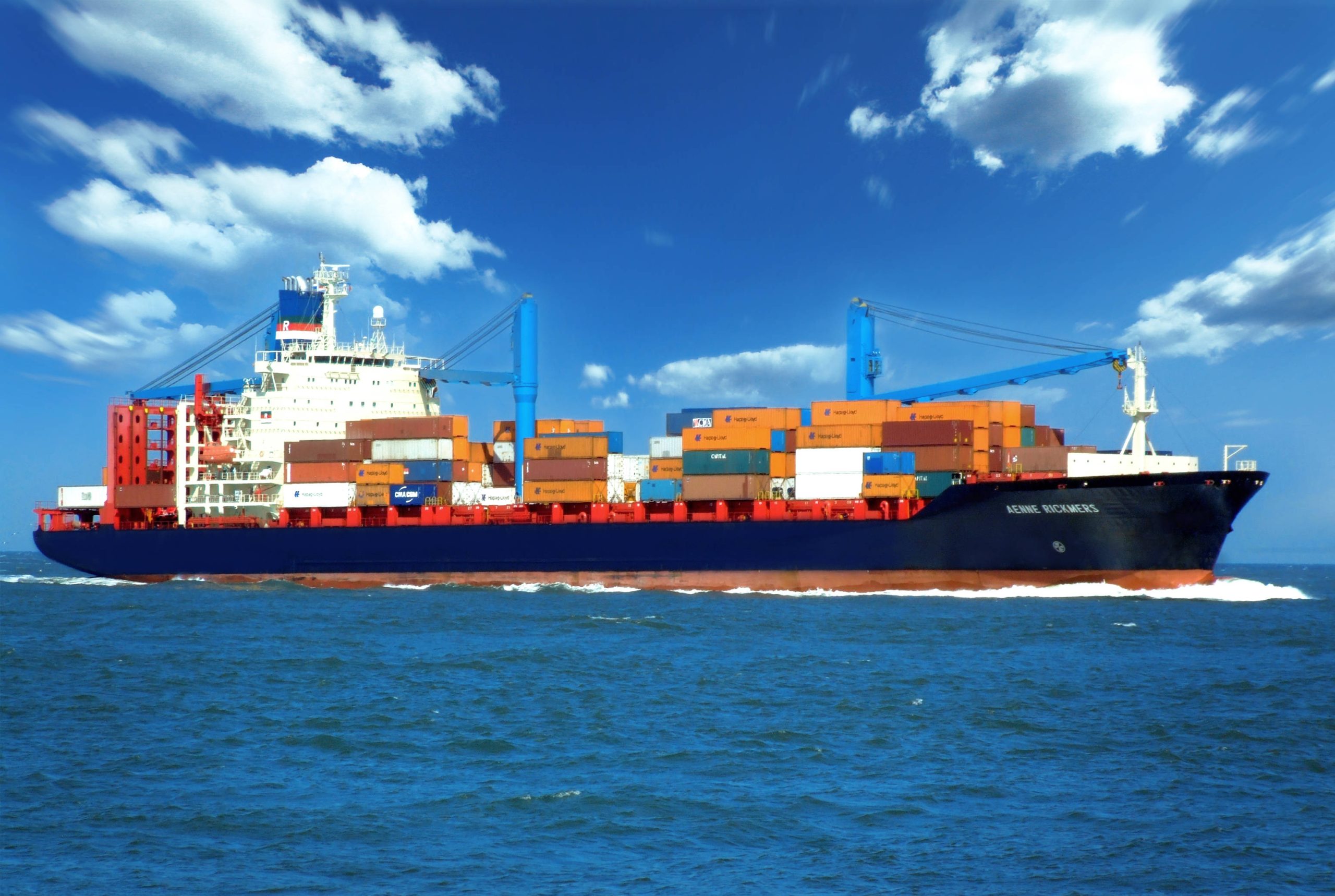
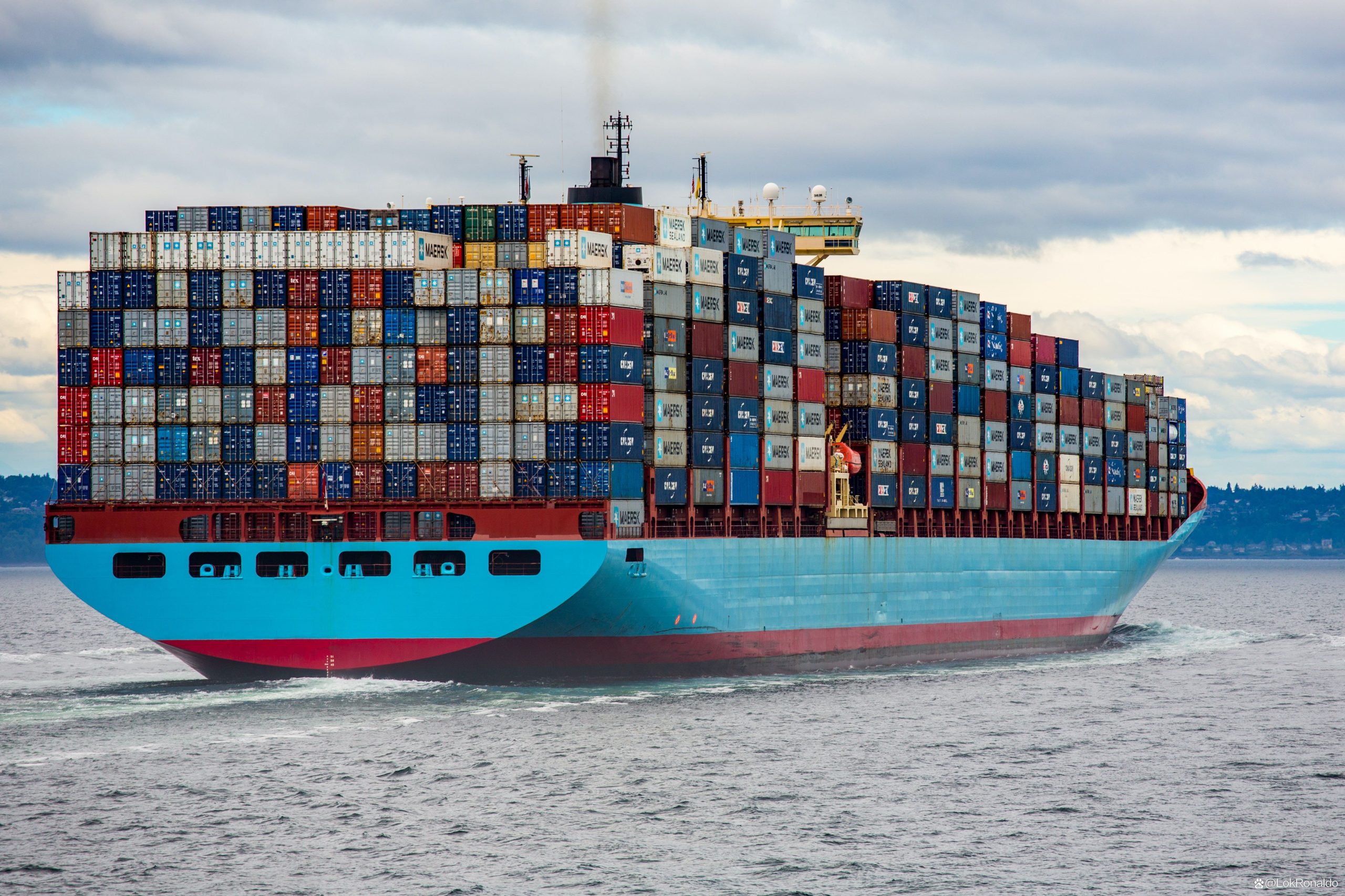
DDP shipping can be combined with different transportation methods depending on cargo type and urgency.
Sea Freight DDP
- best for large shipments
- lowest cost
- transit time: 30–45 days
Air Freight DDP
- best for urgent cargo
- fastest delivery
- transit time: 5–10 days
Rail Freight DDP
- balanced option
- medium cost and speed
- transit time: 15–25 days
How Import Taxes Are Calculated
DDP shipping includes import duties and taxes, which are calculated based on:
- product classification (HS code)
- declared value of goods
- destination country regulations
- VAT rates
Each country has different tax policies, so accurate product classification is critical.
Advantages of DDP Shipping
DDP offers several key benefits for importers.
Easy Process
No need to manage logistics or customs procedures.
Cost Transparency
All costs are included upfront, reducing unexpected expenses.
Lower Risk
Freight forwarders handle documentation and compliance.
Time Saving
Businesses can focus on sales and operations instead of logistics.
Disadvantages of DDP Shipping
While DDP is convenient, there are some limitations.
Higher Initial Cost
DDP pricing may be higher compared to FOB or CIF because it includes all services.
Less Control
Importers have less control over shipping routes and customs handling.
Dependence on Forwarder
Choosing an unreliable freight forwarder may cause delays or issues.
When Should You Use DDP?
DDP shipping is ideal in the following situations:
- new importers with limited experience
- e-commerce sellers
- small and medium-sized businesses
- companies without customs clearance capabilities
For large enterprises with logistics teams, other shipping terms may offer more flexibility.
Tips for Using DDP Shipping
Choose a reliable freight forwarder
An experienced logistics partner ensures smooth delivery and compliance.
Confirm all included costs
Make sure duties, taxes, and delivery fees are clearly listed.
Check product restrictions
Some goods may have import restrictions in certain countries.
Provide accurate information
Incorrect cargo details can lead to customs delays.
FAQ
What does DDP mean in shipping?
DDP means the seller is responsible for all costs and risks until the goods are delivered to the buyer.
Is DDP shipping expensive?
It may have a higher upfront price, but it includes all logistics costs, making it predictable and convenient.
Who pays customs duties in DDP?
The seller or freight forwarder pays all duties and taxes.
How long does DDP shipping take?
It depends on the shipping method, ranging from 5 days (air) to 45 days (sea).
Can small businesses use DDP shipping?
Yes. DDP is especially suitable for small businesses and new importers.
DDP shipping from China provides a simple, all-in-one logistics solution for importers who want predictable costs and minimal operational complexity. By understanding how DDP works and choosing the right shipping method, businesses can streamline their supply chain and improve overall efficiency.