

Meta Description: Struggling to ship batteries, liquids, or powders overseas? Discover how to leverage professional sea freight consolidation and DDP services in China to ship sensitive goods globally safely, compliantly, and cost-effectively.
Publish Date: May 1, 2026
Industry: International Freight Forwarding / Cross-border E-commerce / Hazardous Material Logistics
Target Keywords: Shipping sensitive goods via sea freight from China, battery liquid powder sea consolidation, DDP shipping for hazardous materials, global LCL sensitive goods forwarding
1. Introduction: The “Rejected Cargo” Nightmare
You have found a winning product. It is a high-margin cosmetic liquid, a revolutionary electronic device with a built-in battery, or perhaps a specialized chemical powder for industrial use. You contact a standard freight forwarder to ship it from China to your customers in the US, Europe, or Australia.
Then, the dreaded reply comes: “Sorry, we cannot accept this cargo. It is classified as sensitive/dangerous goods.”
For cross-border e-commerce sellers and global traders, few things are as frustrating as hitting a logistics brick wall. Mainstream courier services (like DHL, FedEx, or UPS) slap exorbitant surcharges on these items, while standard sea freight consolidators outright refuse to touch them.
But what if we told you there is a highly efficient, cost-effective, and fully compliant way to move these “problematic” goods across the globe?
Welcome to the world of Specialized Sea Freight Consolidation for Sensitive Goods. In this comprehensive 2026 guide, we will pull back the curtain on how top-tier logistics providers move batteries, liquids, and powders from China to the world using dedicated LCL (Less than Container Load) channels and Door-to-Door DDP (Delivered Duty Paid) services.
2. What Qualifies as “Sensitive Goods” in International Shipping?
In the eyes of international maritime law and aviation authorities, not all cargo is created equal. While a cotton t-shirt is harmless, items possessing chemical properties, electrical currents, or pressurization are flagged as “sensitive” or “dangerous goods” (DG).
When shipping via ocean freight consolidation from China, the three most common sensitive categories are:
- Battery-Powered Items & Pure Batteries: This includes lithium-ion batteries (UN3480), lithium metal batteries (UN3090), and products containing them (e.g., smartphones, power banks, e-bikes). They pose fire risks due to short-circuiting or thermal runaway.
- Liquids & Gels: Perfumes, essential oils, cosmetics, beverages, and cleaning agents. These are prone to leakage, expansion due to temperature changes, and can be highly flammable (especially alcohol-based products).
- Powders & Pastes: Spices, chemical additives, toner, or medicinal powders. These present two major risks: inhalation hazards for port workers and the potential for smuggling (which leads to intense customs scrutiny).
Why Do Standard Forwarders Reject Them?
Standard LCL (Less than Container Load) operators prioritize speed and low cost. Sensitive goods require specialized paperwork, specific container conditions, and slower processing times. Furthermore, if a battery catches fire in a shared container, it endangers the entire shipment. To avoid the liability and the复杂的 (complex) paperwork, 99% of standard consolidators will simply turn you away.
3. The Solution: Dedicated Sensitive Goods Sea Consolidation & DDP
To move these goods successfully, you need a freight forwarder who doesn’t just “dabble” in logistics but operates a specialized sensitive goods consolidation channel.
By utilizing a dedicated LCL service for hazardous or sensitive materials, your cargo is grouped exclusively with other compliant sensitive shipments. This ensures that all safety protocols are met without delaying standard freight.
Furthermore, by opting for a DDP (Delivered Duty Paid) service, you transfer all the risk and regulatory burdens to your logistics provider. They act as the Importer of Record, handling Chinese export licenses, international ocean freight, destination country import clearance, duty/tax payment, and final doorstep delivery.
4. How It Works: The Sensitive Goods Shipping Workflow
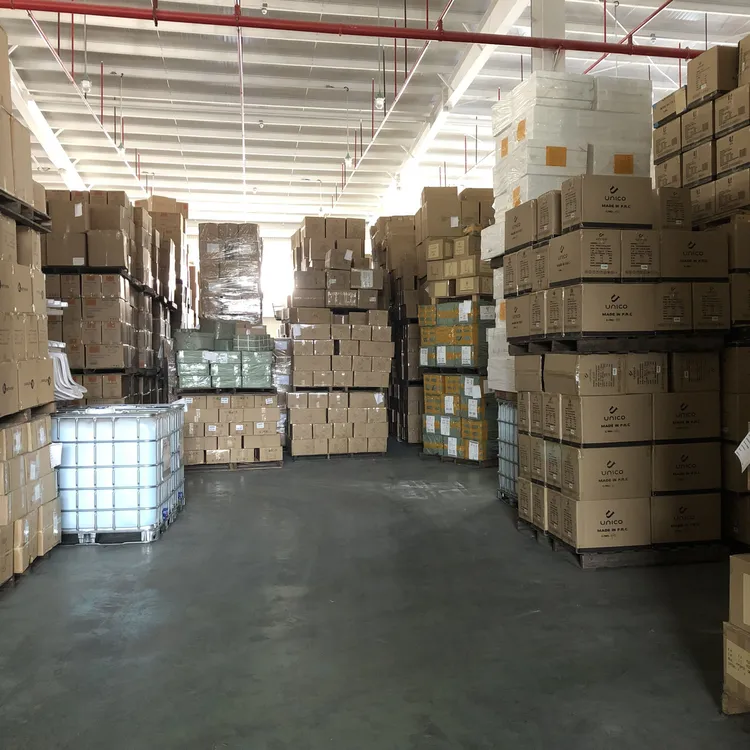
Shipping batteries, liquids, or powders isn’t just about throwing boxes into a container. It is a highly regulated process. Here is how a professional China-based consolidator handles your sensitive cargo:
Step 1: Compliance Check & MSDS Verification
Before your goods even enter the warehouse, the forwarder will request the MSDS (Material Safety Data Sheet) for your products. This document outlines the chemical composition and hazard levels. The logistics team uses this to classify the goods correctly under IMDG (International Maritime Dangerous Goods) codes.
Step 2: Specialized Packaging & Labeling
Sensitive goods demand perfection in packaging.
- Batteries require insulated liners and rigid outer boxes to prevent terminal contact.
- Liquids must be double-sealed in leak-proof bags and cushioned with absorbent materials.
- Powders need vacuum-sealed bags to prevent leakage and contamination. The warehouse team will also affix the correct hazard labels (e.g., Class 9 Miscellaneous Dangerous Goods) to ensure port inspectors pass the shipment without delay.
Step 3: Export Customs Declaration
China has strict export controls on items like chemicals and high-capacity batteries. Your agent will prepare the specialized customs declaration documents, ensuring full compliance with Chinese regulations to avoid inspection holds at the port of Shenzhen, Shanghai, or Ningbo.
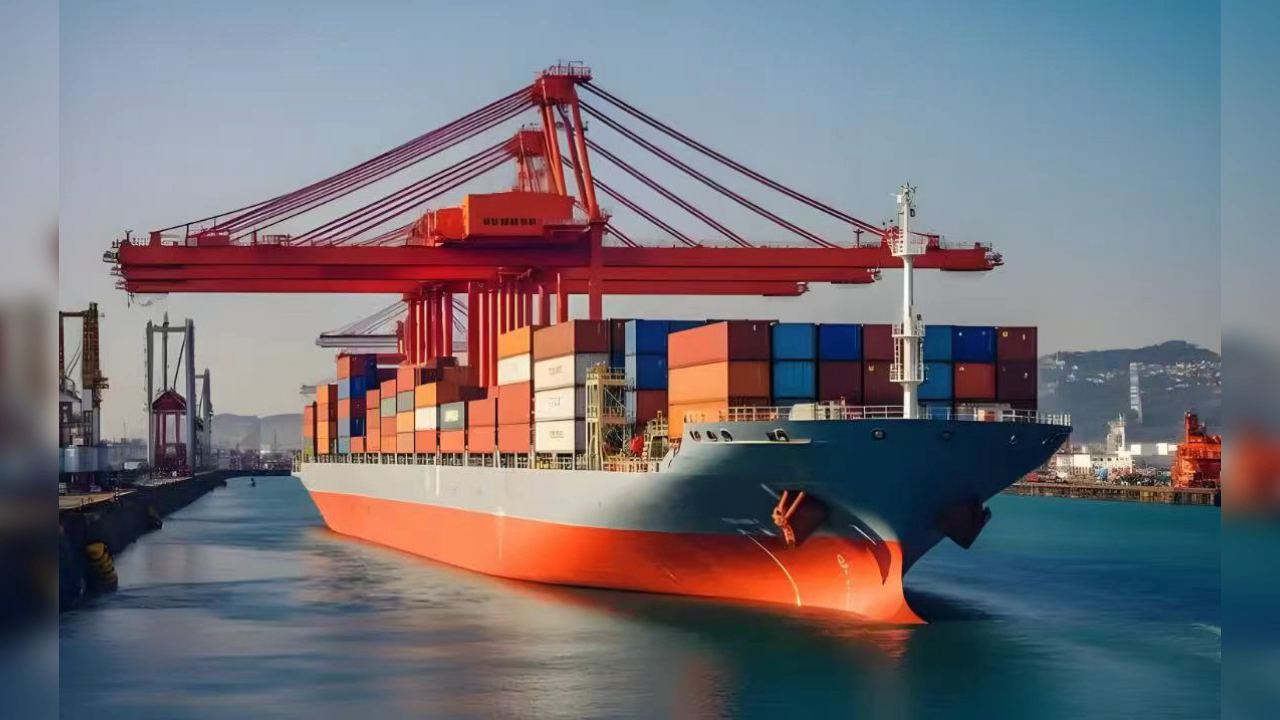
Step 4: Ocean Transit on Designated Vessels
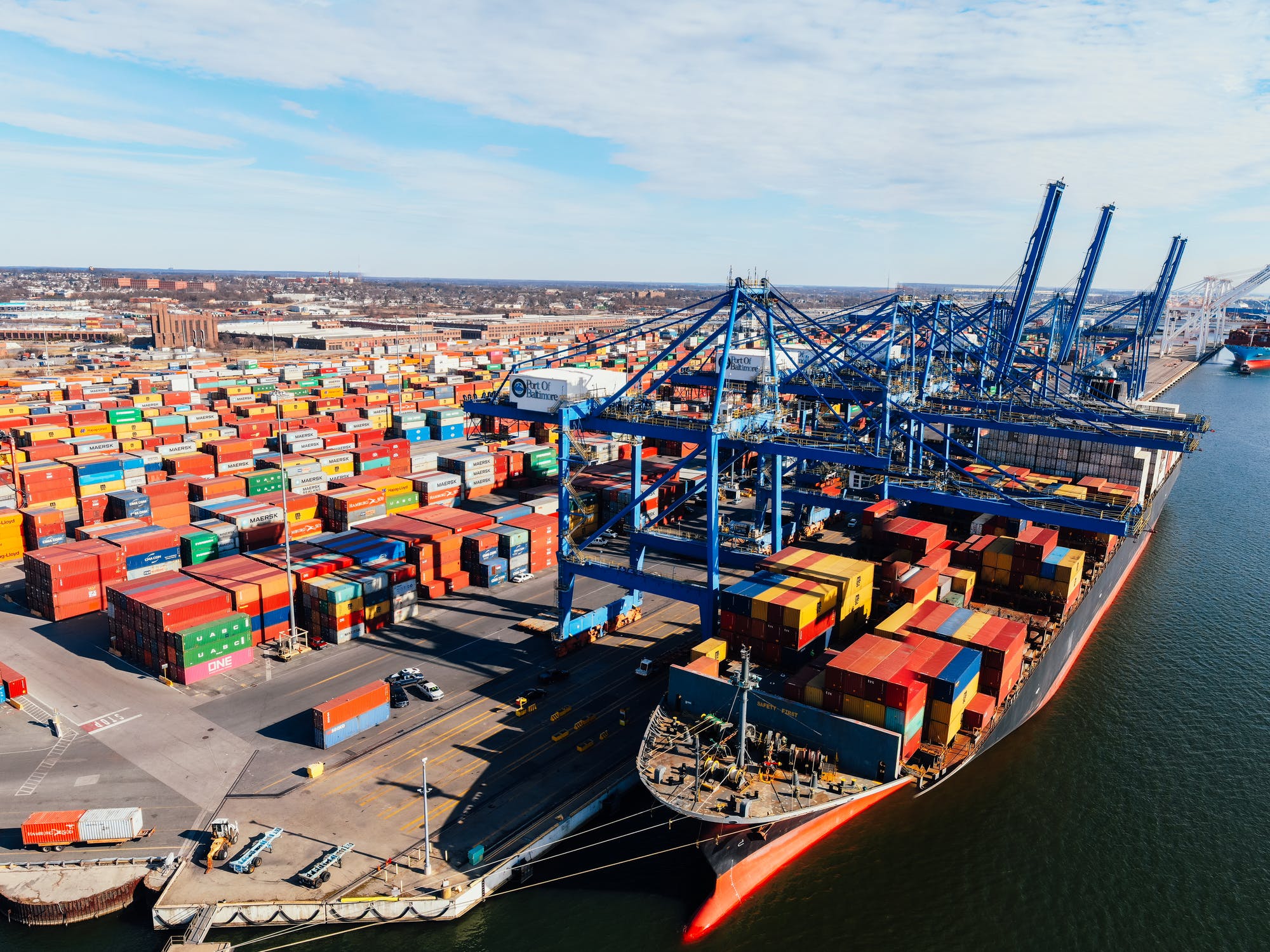
Contrary to popular belief, many sensitive goods can be shipped via standard ocean freight lines (like Maersk or COSCO) provided they are properly declared and packaged. Your consolidator will book the space on vessels that accept DG cargo, ensuring your goods sail out on time.
Step 5: Destination Clearance & Duty Payment
Upon arrival at the destination port (e.g., Los Angeles, Rotterdam, or Sydney), the forwarder’s local broker pre-files the import entry. Because it is a DDP shipment, the forwarder pays the assessed import duties and taxes upfront. This is crucial for sensitive goods, as customs agencies (like US CBP or EU Customs) are highly likely to inspect these shipments. A good broker resolves issues on the spot without bothering you.
Step 6: Last-Mile Residential or FBA Delivery
Once cleared, the goods are deconsolidated. If you are an Amazon FBA seller, the boxes are relabeled and palletized according to Amazon’s strict guidelines. If it is a residential delivery, a lift-gate truck is dispatched to deliver the goods directly to your customer’s door.
5. Cost Analysis: What Drives the Price of Sensitive LCL Shipping?
Naturally, shipping sensitive goods costs more than shipping regular commodities. To budget accurately, you need to understand the cost components:
- Base Ocean Freight (Per CBM or KG): Sensitive goods often require booking space on specific vessels or utilizing specialized containers (e.g., reefers for temperature-sensitive liquids), which carries a premium.
- DG Handling Surcharges: Ports charge extra for handling dangerous goods due to the increased insurance and security requirements.
- Customs Brokerage & Bond Fees: Given the high inspection probability, professional brokerage fees are higher for sensitive cargo.
- Duties and Taxes: Calculated based on the commodity code. Note that some countries impose excise taxes on specific liquids (like alcohol) or environmental fees on batteries.
💡 Pro Tip: Always request an all-inclusive DDP quote. This forces the freight forwarder to account for all potential surcharges upfront, protecting you from devastating hidden fees later.
6. The “Make or Break” Checklist: Choosing Your Sensitive Goods Partner
The market is flooded with inexperienced middlemen who will take your money and fail to deliver when the shipment hits a customs snag. Use this checklist to vet your next logistics partner:
- Do they have a valid DG License? Ask for proof that they are certified to handle and declare dangerous goods both in China and at the destination country.
- Who handles the destination clearance? If the forwarder relies on a third-party broker they don’t directly control, you will face massive delays if an inspection occurs. Look for companies with in-house customs brokers in the destination country.
- Can they provide a compliant MSDS translation? Misinterpreting a single chemical code on the MSDS can lead to your goods being seized and destroyed.
- What is their packaging standard? Request photos of previous sensitive goods shipments. If they aren’t using UN-certified packaging for batteries or liquids, walk away.
7. Conclusion: Turn Your “Restricted” Products into Best-Sellers
Having a product classified as a battery, liquid, or powder is not a death sentence for your business—it is merely a logistics hurdle. In fact, because so many sellers are scared off by the shipping difficulties, breaking into the sensitive goods market often means facing significantly less competition.
By partnering with an experienced China-based freight forwarder who specializes in Sensitive Goods Sea Freight Consolidation and DDP services, you can reliably and affordably ship these products to customers worldwide.
Don’t let complex regulations and shipping restrictions stunt your growth. Take control of your supply chain today.
🚢 Ready to Ship Your Sensitive Cargo?
Stop letting logistics bottlenecks kill your best product ideas. Whether you are shipping 2 CBM of cosmetics to the US or 10 CBM of industrial powders to Germany, our specialized sensitive goods consolidation team is ready to design a safe, compliant, and cost-effective route for you.
📞 Contact us today for a 100% transparent, no-obligation DDP shipping quote.
(Mention this article to receive a complimentary MSDS review and logistics consultation!)