

Meta Description: Master the complete sea freight LCL (Less than Container Load) process with our 2026 playbook. Learn expert strategies for warehouse intake, loading, customs clearance, and final delivery to dominate global logistics.
Publish Date: May 1, 2026
Industry: International Freight Forwarding / E-commerce Logistics / Supply Chain Management
Target Keywords: Sea freight LCL process, LCL consolidation guide, ocean freight customs clearance, global shipping playbook
1. Introduction: Cracking the Code of International LCL Shipping
In the high-stakes arena of global trade and e-commerce, mastering your supply chain is the ultimate competitive advantage. For businesses moving goods internationally—whether you are an Amazon FBA seller, a Shopify entrepreneur, or a traditional trader—Sea Freight LCL (Less than Container Load) consolidation is the financial equalizer. It allows you to ship smaller volumes without paying for unused space in a Full Container Load (FCL).
However, the journey from a factory in China to a warehouse in the US, UK, or Europe is fraught with potential pitfalls. A single misstep in documentation or a minor misunderstanding of Incoterms can lead to costly delays, unexpected detention charges, or even seized cargo.
In this comprehensive 2026 operational playbook, we will take you behind the scenes of the entire LCL shipping lifecycle. We will dissect every critical phase—from the moment your cargo enters the consolidation warehouse to the final mile of door-to-door delivery. Let’s optimize your logistics strategy.
2. Phase 1: The Foundation – Warehouse Intake & Smart Consolidation
The LCL process officially begins the moment your goods leave your supplier’s facility. Efficient consolidation is the bedrock of a smooth shipping experience.
2.1. Multi-Supplier Pickups
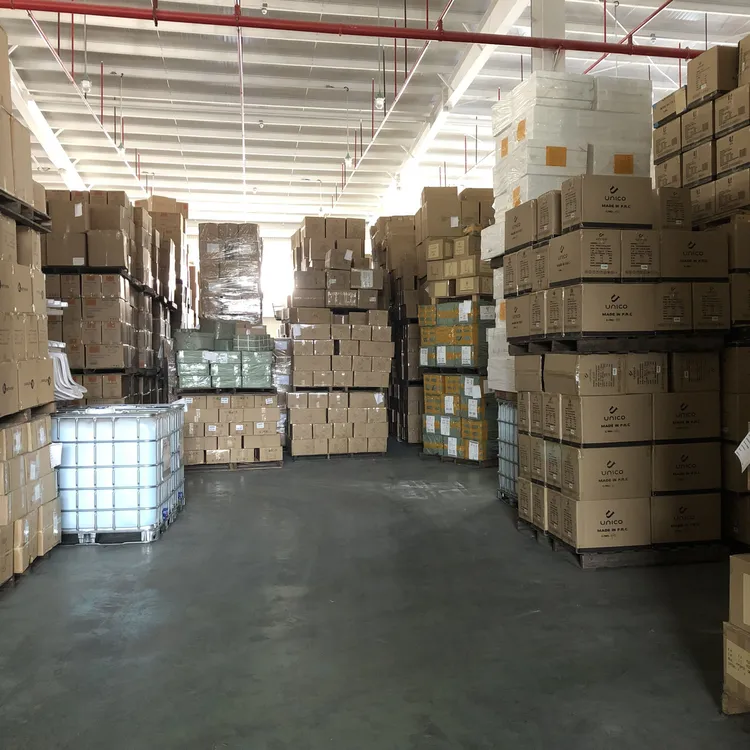
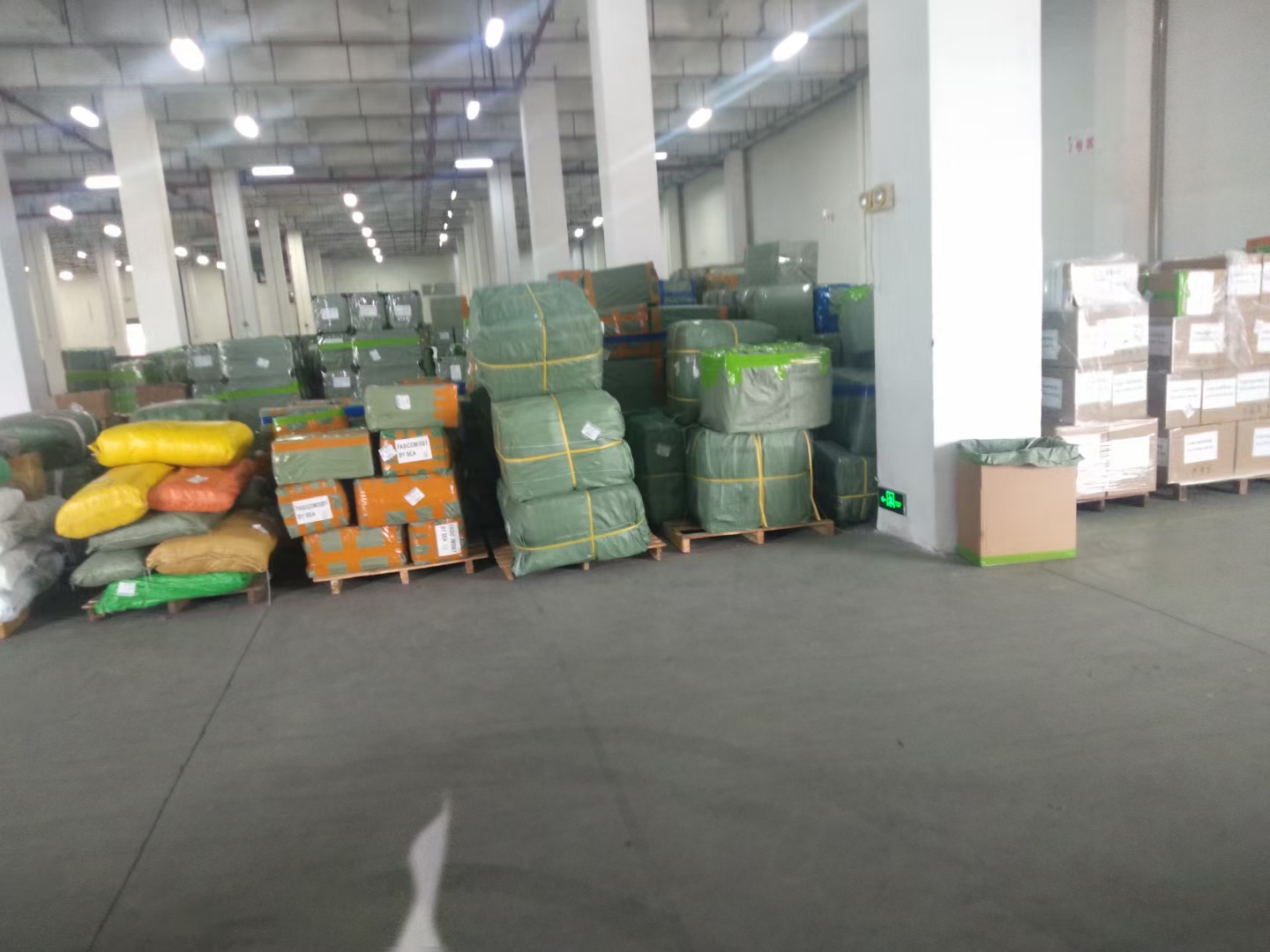
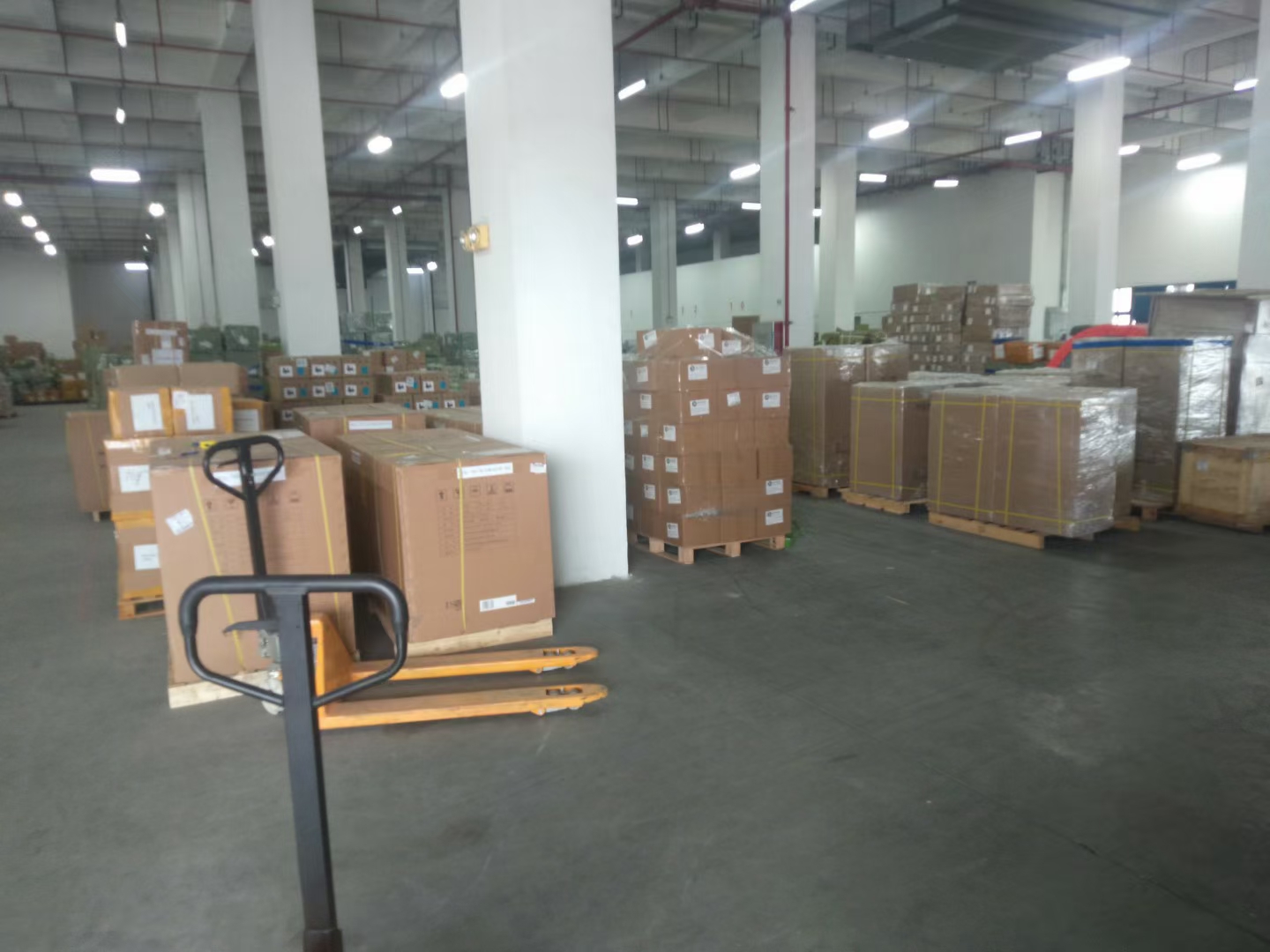
Rarely does a seller source their entire inventory from a single factory. A core strength of LCL services is the ability to coordinate pickups from multiple suppliers across different cities (e.g., picking up electronics in Shenzhen and textiles in Yiwu). Your freight forwarder will collect these disparate shipments and transport them to a central consolidation warehouse.
2.2. The Arrival & Quality Check (Inbound)
Upon arrival at the warehouse, professional logistics providers conduct a preliminary inbound inspection. This involves verifying carton counts, checking for visible external damage, and confirming the cargo matches the commercial invoice.
💡 Operational Tip: The “48-Hour Rule”
Always confirm your cargo has arrived at the warehouse at least 48 to 72 hours before the scheduled sailing cut-off. This buffer is non-negotiable. It allows the warehouse team ample time to physically measure and weigh your goods to calculate the precise Chargeable Volume (CBM) before submitting the booking to the ocean carrier.
3. Phase 2: The Art of Loading & Documentation
Unlike FCL, where you load your own container, LCL cargo shares space with goods from other shippers. This requires surgical precision in planning.
3.1. Scientific Container Loading
Professional LCL consolidation is akin to playing a high-stakes game of Tetris. Warehouse managers use advanced loading software to determine the optimal arrangement of cartons. Heavy, durable items are placed at the bottom, while lighter, fragile goods are secured on top. Proper bracing and dunnage (protective padding) are used to prevent shifting during the turbulent ocean voyage.
3.2. Issuing the Bill of Lading (B/L)
Once loaded, the carrier issues a Master Bill of Lading (MBL) to the consolidator. In turn, the consolidator issues a House Bill of Lading (HBL) to you, the shipper.
- The HBL is your proof of ownership. Ensure every detail—your company name, the consignee’s details, port of discharge, and cargo description—is 100% accurate. Discrepancies here will trigger massive headaches during destination customs clearance.
4. Phase 3: Export Customs Clearance & The Voyage
With the container sealed and loaded onto a truck, your cargo is now heading to the port of loading (e.g., Shanghai, Ningbo, or Shenzhen).
4.1. Chinese Export Customs Declaration
Your freight forwarder will submit the electronic export declaration to Chinese customs. This requires:
- Commercial Invoice
- Packing List
- Bill of Lading draft
- Declaration elements (specific material composition, purpose of the goods, etc.)
Customs may randomly select shipments for physical inspection. If your documentation is pristine and your supplier has not violated any export regulations, your cargo will be cleared and loaded onto the vessel within 24-48 hours.
4.2. The Ocean Transit
Once the vessel departs, you will receive the final Bill of Lading and an Estimated Time of Arrival (ETA) for the destination port. For standard routes from China to the US West Coast, this transit usually takes 12-16 days; to Europe (Rotterdam/Hamburg), 28-35 days; to the US East Coast, 30-40 days.
5. Phase 4: Destination Clearance & Deconsolidation
This is the phase where many inexperienced shippers encounter unexpected friction. Navigating a foreign country’s customs bureaucracy requires expertise.
5.1. Pre-Clearance Strategy
Top-tier freight forwarders do not wait for the ship to dock to start the clearance process. Using the data from your HBL and Commercial Invoice, they will pre-file the import declaration with the destination country’s customs authority (e.g., US CBP, UK HMRC, or EU Customs).
5.2. Duty & Tax Payment
Depending on your agreed Incoterms (e.g., DDP – Delivered Duty Paid, or DDU – Delivered Duty Unpaid), the importer of record must settle all applicable import duties, Value Added Tax (VAT), and customs fees. Under DDP terms, your forwarder handles this entirely, providing a seamless, hassle-free experience.
5.3. The Physical Inspection Gauntlet
If customs flags your shipment for a physical exam, having a proactive broker is vital. They will liaise directly with customs officers, present supporting documentation, and expedite the release. Once cleared, the container is transported to the destination deconsolidation warehouse.
5.4. Breaking Down the Load
At the warehouse, your cargo is unloaded from the shared container. It is sorted based on the unique B/L numbers, re-palletized if necessary (especially crucial for Amazon FBA shipments requiring specific labeling), and prepared for the final leg of the journey.
6. Phase 5: The Final Mile – Port to Doorstep Delivery
The final phase is the physical delivery of your goods to the ultimate destination, whether it’s an e-commerce fulfillment center, a retail distribution hub, or a private residential address.
6.1. FBA & Commercial Warehouse Deliveries
For Amazon FBA sellers, timing is everything. Appointments at Amazon fulfillment centers are notoriously difficult to secure. Your logistics partner must schedule the delivery window precisely and ensure the trucking company possesses the necessary certificates to enter the facility.
6.2. Residential & Curbside Deliveries
For direct-to-consumer shipments or personal effects, the process involves curbside delivery or inside delivery. If the shipment is particularly heavy or bulky, arranging for a liftgate truck and a two-person crew is essential to ensure the safe offloading of goods without damaging the customer’s property.
💡 Operational Tip: The “Delivery Window” Buffer
Always advise your end customer or receiving warehouse that the exact delivery date is subject to a 24-hour fluctuation. Ocean freight and port operations are dynamic; building a small buffer into your supply chain promises prevents disappointment and maintains professional credibility.
7. Conclusion: Transforming Logistics from a Bottleneck into a Strategic Asset
Understanding the intricate mechanics of the sea freight LCL process—from initial warehouse intake to final residential drop-off—transforms logistics from a mere operational necessity into a formidable strategic asset. By anticipating challenges at each phase, insisting on meticulous documentation, and partnering with a globally integrated freight forwarder, you can ensure unparalleled supply chain resilience.
🚢 Ready to Optimize Your Global Shipping Strategy?
Stop leaving your international logistics to chance. Whether you are consolidating cartons from ten different factories or shipping a single pallet of oversized furniture, our end-to-end LCL consolidation services are engineered to deliver your cargo safely, compliantly, and cost-effectively across the globe.
Contact our team of logistics experts today for a transparent, no-obligation quote. Let us build a customized, seamless shipping solution that perfectly aligns with your business objectives and keeps your supply chain moving flawlessly.
[Get My Customized LCL Shipping Quote Now](Mention this article to receive a complimentary volumetric weight audit and customs duty estimation!)