

Meta Description: Struggling with Canadian logistics? Discover the definitive 2026 playbook for Sea Freight LCL (Less than Container Load) consolidation. Master the intricacies of shipping to Vancouver, Toronto, and Montreal for both Amazon FBA and personal effects with Door-to-Door DDP service.
Publish Date: May 1, 2026
Industry: International Freight Forwarding / Cross-border E-commerce / International Moving
Target Keywords: Canada sea freight LCL consolidation, shipping to Canada FBA, personal effects shipping to Canada, DDP shipping Vancouver Toronto Montreal, LCL freight from China to Canada
1. Introduction: Conquering the Great White North’s Logistics Maze
Canada is a land of immense opportunity, boasting a robust e-commerce market and a high quality of life that attracts newcomers from across the globe. However, from a logistical standpoint, Canada is a nightmare. It is the second-largest country in the world by landmass, with its population and economic hubs scattered along a narrow southern border.
For Amazon FBA sellers trying to restock Canadian warehouses, or individuals relocating to start a new life, the challenges are strikingly similar: sky-high shipping costs, complex customs bureaucracies, and daunting last-mile delivery hurdles.
Enter Sea Freight LCL (Less than Container Load) Consolidation.
Whether you are shipping 500 kilograms of bestselling products to an Amazon fulfillment center in Ontario or sending a household of furniture to a new home in British Columbia, LCL consolidation is the great financial equalizer. By sharing a container with other compliant shippers, you only pay for the exact cubic meters (CBM) your cargo occupies.
In this comprehensive 2026 guide, we will decode the complexities of Canadian logistics. We will take you deep into the operational realities of shipping to Vancouver, Toronto, and Montreal, dissect the wildly different requirements for FBA versus personal effects, and show you how to leverage DDP (Delivered Duty Paid) services to ensure a seamless, cost-effective delivery.
2. The Strategic Advantage of LCL Consolidation for Canada
Before diving into specific destinations, it is crucial to understand why LCL is the preferred method for Canadian imports.
2.1. The Financial & Operational Sweet Spot
Air freight to Canada is prohibitively expensive for heavy, bulky items due to volumetric weight calculations. Conversely, booking a Full Container Load (FCL) leaves you paying for empty space if you only have 5 to 15 cubic meters of goods. LCL fills this void perfectly. You pay strictly for the space you use, making it ideal for small to medium-sized e-commerce batches or partial home moves.
2.2. The “Shared Burden” Economy
Beyond just space, LCL allows you to share the fixed costs of ocean freight, fuel surcharges, and terminal handling charges (THC) with other shippers. A professional consolidator acts as a master of logistics Tetris, maximizing container space utilization to drive down the per-unit shipping cost for everyone involved.
3. Destination Deep-Dive: The Big Three Canadian Hubs
Shipping to Canada is not a monolith. The infrastructure, weather challenges, and regional regulations of Vancouver, Toronto, and Montreal require vastly different logistical approaches.
3.1. Vancouver: The Pacific Gateway & The Inland Challenge
As the primary entry point for Asian imports, Vancouver is the busiest port on the West Coast.
- The Upside: The fastest ocean transit times from Asia (typically 10–14 days).
- The Challenge: While the port is efficient, the real headache begins on the road. Distributing goods from the Lower Mainland to the interior of British Columbia (or crossing the Rockies to Alberta) involves steep grades, unpredictable weather, and severe driver shortages.
- Logistics Play: For FBA sellers, Vancouver is a prime launchpad. For personal effects, securing a reliable “final mile” trucking partner capable of navigating narrow Vancouver residential streets is paramount.
3.2. Toronto: The Heart of the Canadian Economy
Toronto is the epicenter of Canadian e-commerce and the location of major Amazon FBA hubs (such as YYZ1, YYZ2, YYZ4, YHM1).
- The Upside: Unparalleled access to over 50% of Canada’s consumer base. The highway infrastructure (401, 400 series) is excellent for freight movement.
- The Challenge: Extreme congestion and harsh winter conditions. A shipment arriving in Toronto in January faces completely different transit realities than one arriving in July. Snowstorms can halt ground transportation for days.
- Logistics Play: Toronto is the best destination for large-scale FBA restocking. For personal effects, timing your shipment to avoid peak winter storms is a strategic necessity.
3.3. Montreal: The Bilingual Regulatory Maze
As the largest port in Eastern Canada, Montreal serves Quebec and the Atlantic provinces.
- The Upside: Direct access to the fiercely loyal and high-spending Quebecois market.
- The Challenge: Language barriers and complex provincial tax structures. Unlike the rest of Canada, Quebec imposes its own Provincial Sales Tax (PST/QST) on top of the federal Goods and Services Tax (GST). Furthermore, all commercial documentation and labeling must be available in French to comply with the Charte de la langue française (Bill 96).
- Logistics Play: Success in Montreal hinges entirely on your customs broker’s familiarity with Quebec’s unique tax registration and remittance protocols.
At a Glance: Shipping to Canada’s Big Three
| Destination | Primary Port | Key Advantage | Primary Logistics Hurdle |
|---|---|---|---|
| Vancouver | Port of Vancouver | Fastest transit from Asia | Inland trucking capacity & mountain terrain |
| Toronto | Port of Montreal (via rail) | Massive consumer & FBA density | Severe winter weather & highway congestion |
| Montreal | Port of Montreal | Direct access to Quebec market | Bilingual regulations & complex QST tax |
4. FBA vs. Personal Effects: Two Entirely Different Beasts
A common mistake shippers make is assuming commercial goods and personal belongings follow the same rules. They do not. The documentation, customs clearance, and delivery requirements are worlds apart.
4.1. The Amazon FBA Sprint
Shipping to an Amazon FBA warehouse is a high-stakes sprint governed by rigid corporate protocols.
- The Labeling Gauntlet: Every single box must have a scannable FBA shipment label generated from your Amazon Seller Central account. Failure to comply results in immediate refusal at the dock doors.
- Palletization Standards: Amazon strictly enforces ISPM 15 compliant wooden pallets. The maximum weight per pallet and stackability rules must be adhered to, or you risk incurring massive “re-palletization” fees.
- The Appointment Grind: Getting a dock appointment at a Canadian FBA center is notoriously difficult. Your logistics provider must have a proven track record of booking slots at YYZ4 or YOW1 without causing costly delays to your inbound shipments.
4.2. The Personal Effects Marathon
Shipping personal effects (clothes, furniture, appliances) is a marathon of emotional and bureaucratic endurance.
- B13A Export Declaration: When shipping personal belongings out of China, a specific B13A export declaration is often required to prove the items are not being commercially exported, which helps avoid unnecessary export duties.
- The Duty Exemption Loophole: Canada allows returning residents and certain immigrants to bring personal effects into the country duty-free and tax-free, provided the goods are for personal use and have been owned and used abroad for a specified period (usually six months). However, food, plants, and firearms are strictly prohibited.
- Documentation Intensity: You cannot simply ship personal effects under a generic commercial invoice. You need a detailed packing list, a copy of your passport, your Canadian visa/PR card, and a formal BSF186 form (Personal Effects Accounting Document) for customs clearance.
5. Demystifying DDP (Delivered Duty Paid) in the Canadian Context
To navigate these complexities, Door-to-Door DDP (Delivered Duty Paid) is not just a luxury; it is a necessity. Under DDP terms, your Chinese freight forwarder assumes the role of the Importer of Record (IOR) in Canada.
Here is what a true DDP service covers:
- Chinese Export Clearance: Handling all outbound documentation.
- Ocean Freight & Insurance: Securing the best rates and protecting your cargo against loss or damage.
- Canadian Customs Brokerage: A licensed Canadian customs broker pre-files your import documents.
- Taxes & Duties: The forwarder pays the Harmonized Sales Tax (HST) or GST/QST on your behalf. For personal effects, they manage the paperwork to claim your duty-free exemptions.
- Final Mile Delivery: A designated trucking company delivers the cargo directly to the FBA dock or your residential driveway.
Expert Insight: Many Canadian logistics providers advertise “DDU” (Delivered Duty Unpaid) as a way to lower their quoted price. Do not fall for this. The moment your cargo hits Canadian soil, you (the importer) are responsible for clearing customs. If you lack a Canadian business number or a local customs broker, your goods will be held in bonded storage, accruing daily detention fees until a broker steps in to bail them out.
6. The End-to-End LCL Playbook: From Warehouse to Doorstep
How does a professional logistics provider actually execute a flawless Door-to-Door LCL shipment? Here is the step-by-step workflow:
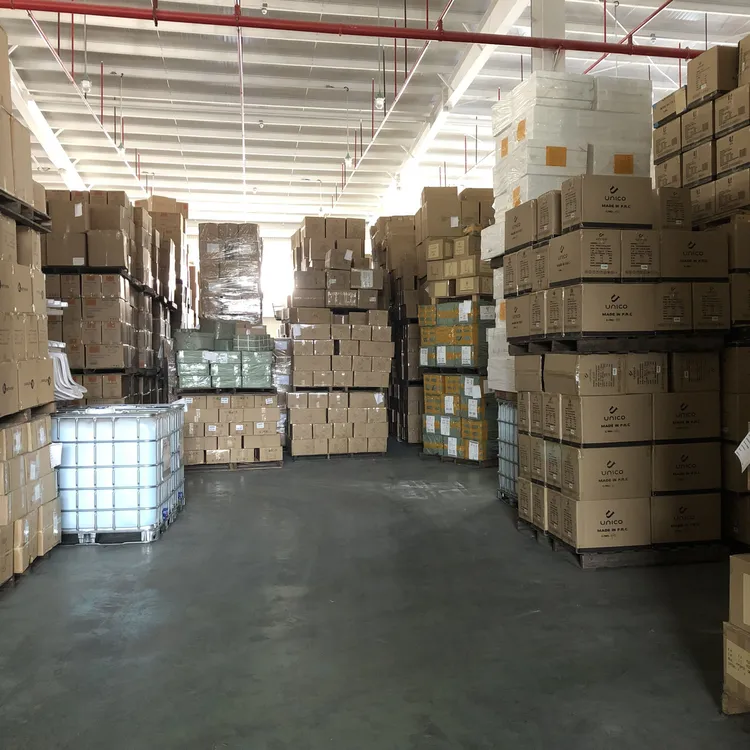
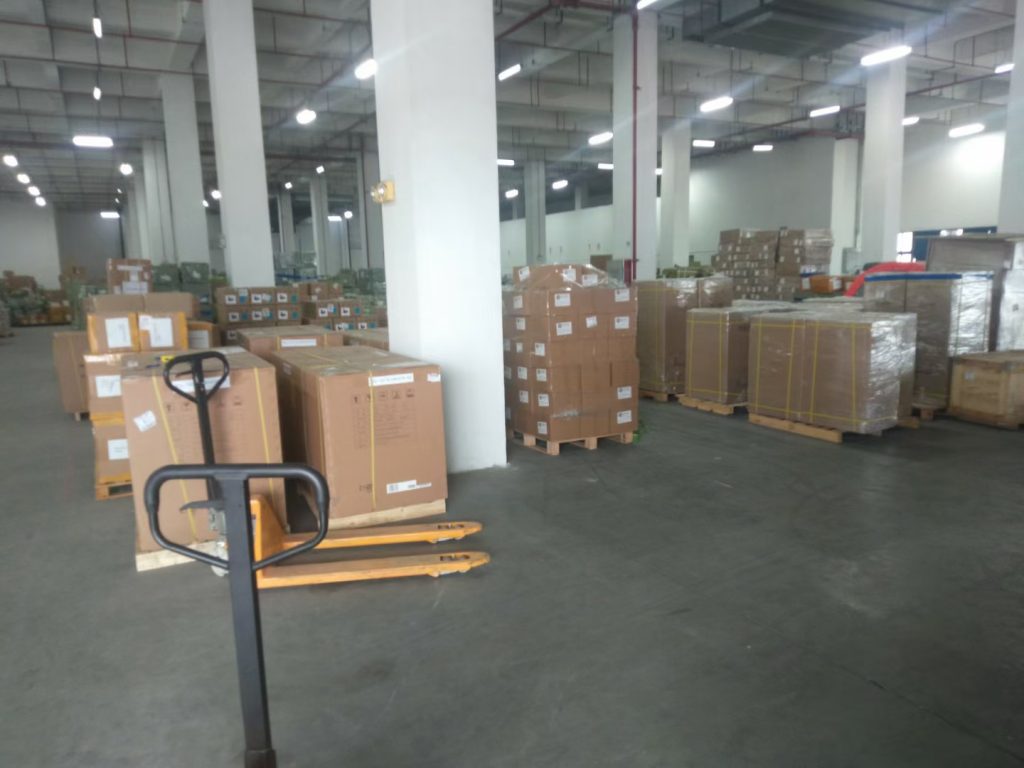
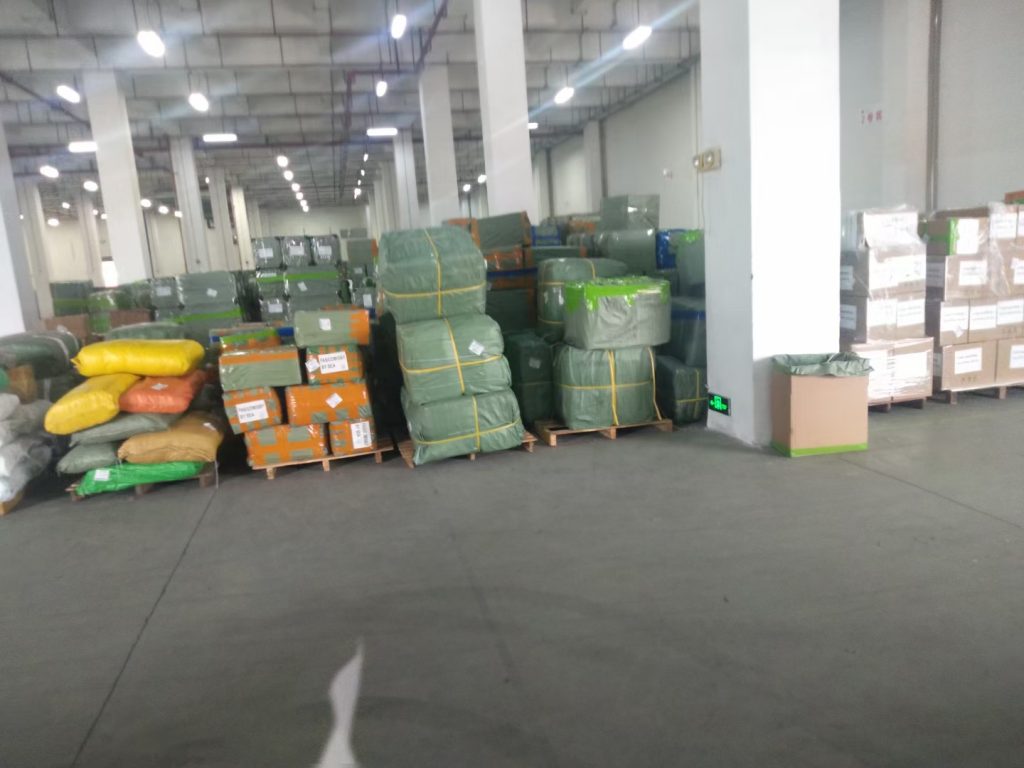
- Phase 1: Consolidation & Quality Control. Your goods arrive at the forwarder’s warehouse in China. The team verifies the carton count, inspects for damages, and takes precise measurements to calculate the final chargeable volume (CBM).
- Phase 2: Export Documentation & Loading. A House Bill of Lading (HBL) is issued. For FBA, boxes are labeled and palletized. For personal effects, fragile items are professionally wrapped. The cargo is then loaded into a shared container.
- Phase 3: Ocean Transit & Tracking. The vessel departs for Canada. You receive regular updates on the Estimated Time of Arrival (ETA).
- Phase 4: Canadian Customs & Quarantine Clearance. Upon arrival, the local broker submits the release documents to the CBSA (Canada Border Services Agency). Agricultural items in personal effects are screened for pests, while commercial goods are checked for accuracy against the HBL.
- Phase 5: Deconsolidation. The container is taken to a local warehouse. Your specific cargo is separated from the other LCL shipments.
- Phase 6: Final Mile Dispatch. A tail-lift truck is dispatched. For FBA, the driver hands over the paperwork and pallets at the dock. For residential deliveries, the team unloads your furniture onto the curb or inside your new home, removing all debris.
7. Applying the EEAT Framework to Your Logistics Partner
When selecting a freight forwarder for your Canadian shipment, Google’s EEAT principles (Experience, Expertise, Authoritativeness, and Trustworthiness) should be your guiding light. The logistics industry is plagued by middlemen who vanish when problems arise.
- Experience: Ask the forwarder how many LCL shipments they have handled to Toronto or Montreal in the last quarter. An experienced partner knows that shipping a 20-foot container of furniture to Vancouver in December requires a completely different trucking strategy than shipping to Montreal in June.
- Expertise: Do they have an in-house licensed customs broker in Canada? Can they seamlessly process B13A forms for exports and BSF186 forms for imports? If they hesitate, walk away.
- Authoritativeness: Look for verifiable credentials. Are they members of the Canadian International Freight Forwarders Association (CIFFA)? Do they hold a valid NVOCC (Non-Vessel Operating Common Carrier) license?
- Trustworthiness: A trustworthy partner provides granular, transparent quotes. If a quote is suspiciously low, it usually means they are omitting mandatory fees like the Canadian Merchandise Processing Fee (MPF) or under-declaring the value of your goods—a dangerous practice that can lead to severe CBSA audits and fines.
8. Conclusion: Turn Logistical Complexity into Your Competitive Advantage
Shipping to Canada—whether funneling inventory into the hyper-competitive Amazon FBA ecosystem or transplanting your life to a new home—demands more than just a “shipping agent.” It requires a strategic logistics partner who understands the nuanced dance between Chinese export laws, trans-Pacific ocean freight, and Canadian federal/provincial import regulations.
By leveraging specialized Sea Freight LCL Consolidation and insisting on comprehensive Door-to-Door DDP service, you eliminate financial guesswork, bypass bureaucratic gridlock, and ensure your goods arrive safely in Vancouver, Toronto, or Montreal exactly when you need them.
🚢 Ready to Simplify Your Canadian Shipping Strategy?
Stop letting logistical uncertainties dictate your timeline or eat into your profit margins. Whether you are an e-commerce entrepreneur scaling your brand or an individual embarking on a new chapter in Canada, our dedicated LCL consolidation experts are ready to design a seamless, transparent, and cost-effective shipping solution tailored specifically to your needs.
Contact our team today for a no-obligation, all-inclusive DDP quote.
(Mention this article to receive a complimentary pre-shipment compliance audit and a detailed breakdown of your Canadian tax obligations!)