

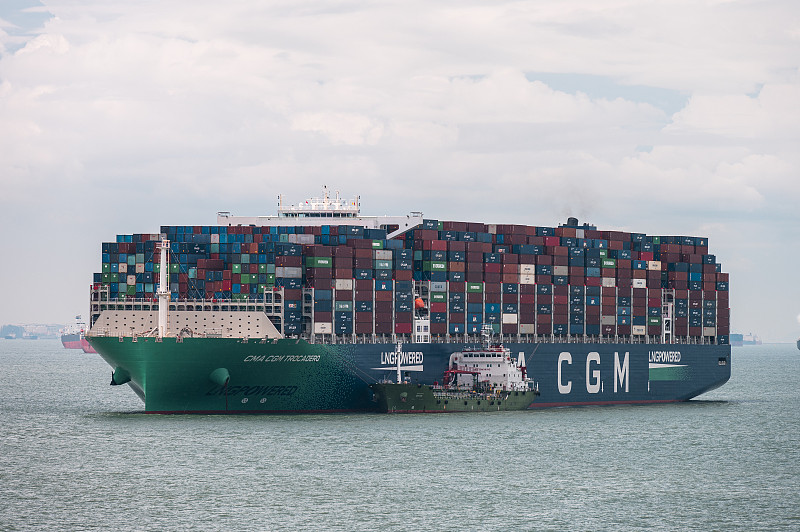
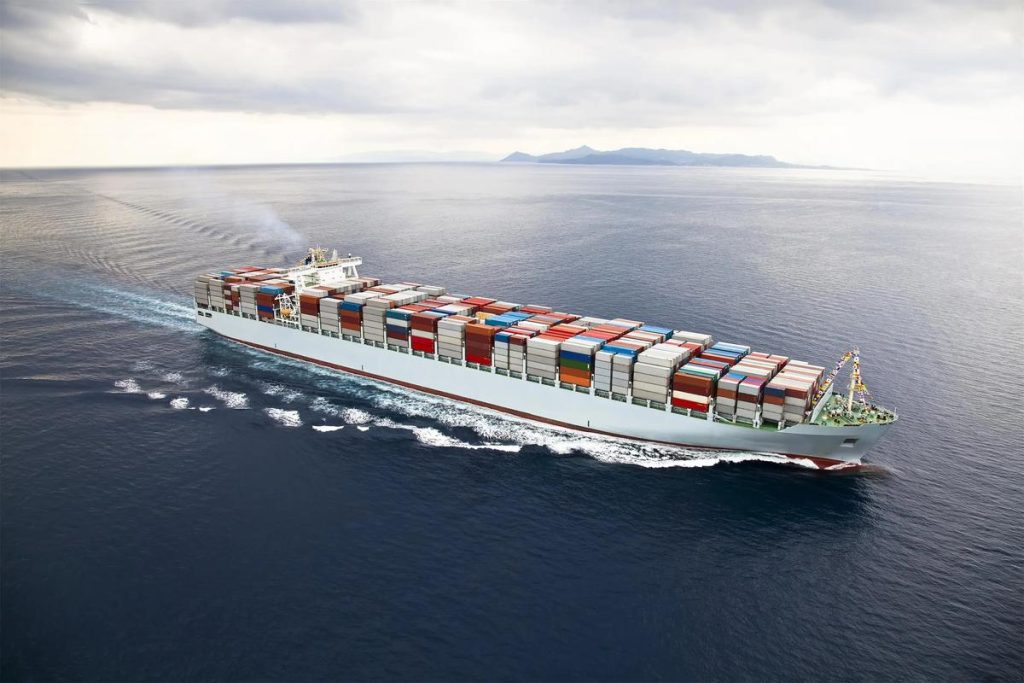
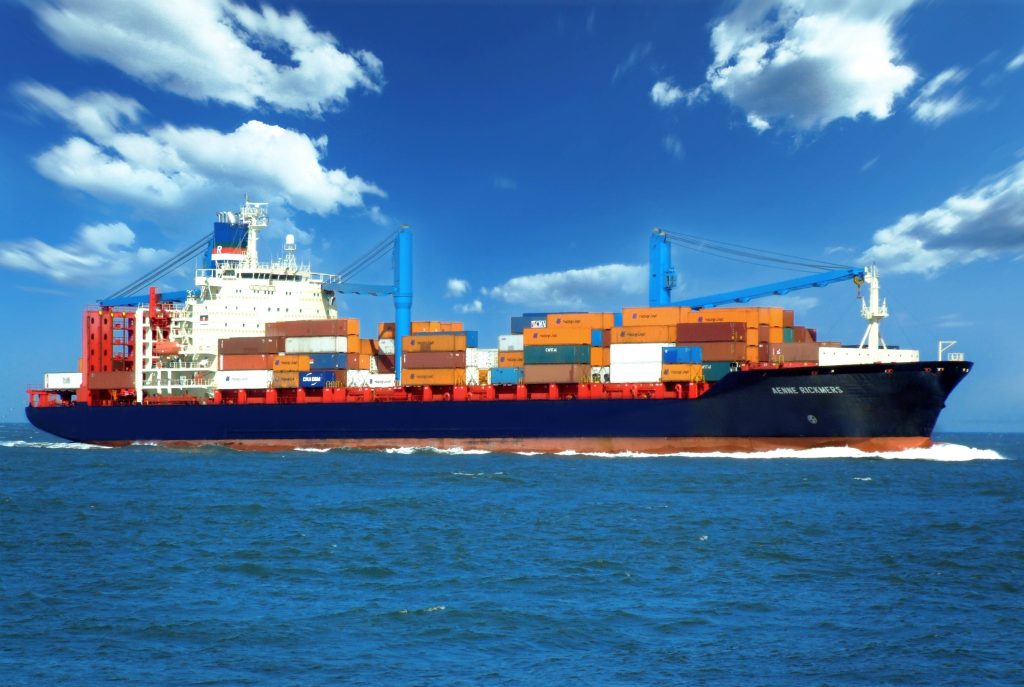
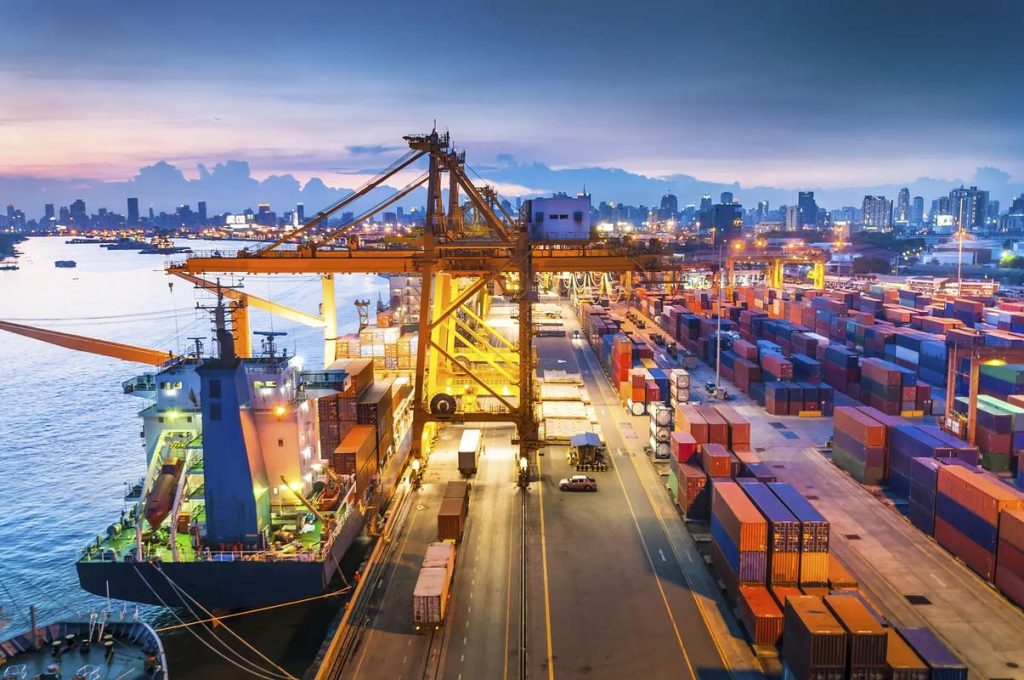

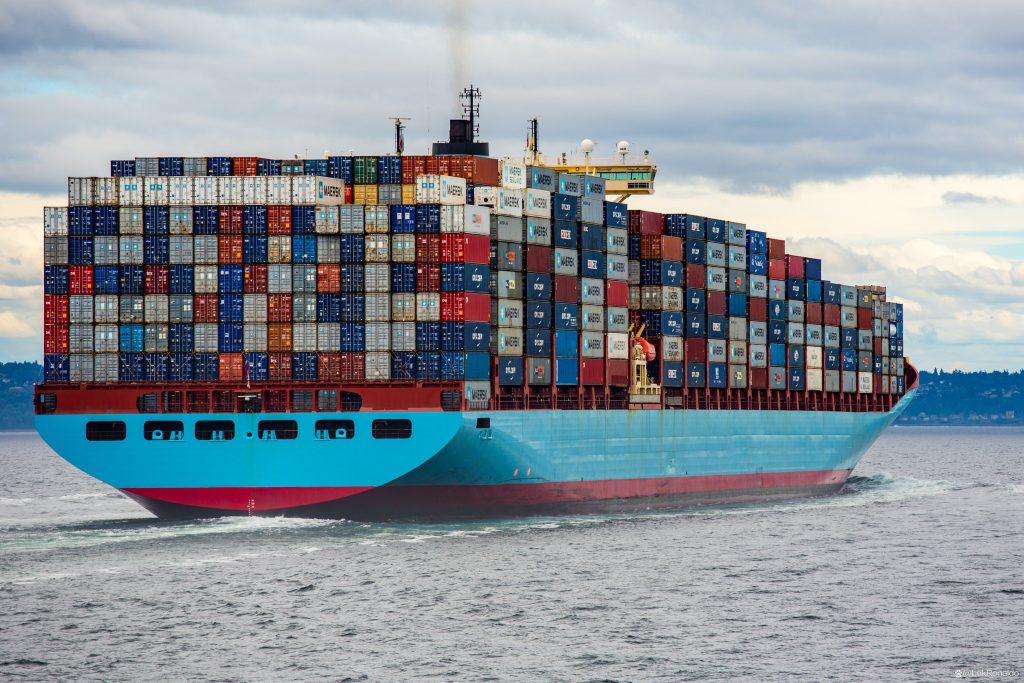
In 2026, the ocean is no longer just blue; it’s green—and expensive. The International Maritime Organization (IMO) has tightened its grip, and the “Green Shipping Surcharge” is no longer a voluntary add-on. It is a line item on every freight invoice.
For businesses importing from China, this surcharge ranges from $50 to $300 per container. The question is no longer “Should we pay it?” but “Is it worth it?”
As a consultant who has helped over 50 brands navigate the 2026 ESG (Environmental, Social, and Governance) landscape, I can tell you that the answer is nuanced. Paying the surcharge is not just about saving the planet; it’s about saving your profit margins and your brand reputation.
1. The “EU ETS” and the Price of Carbon
The biggest driver of the 2026 surcharge is the expansion of the EU Emissions Trading System (ETS) to maritime transport.
The 2026 Reality:
- The Cost: Shipping lines must now buy allowances for 50% of emissions on voyages to/from the EU and 100% of emissions within the EU.
- The Pass-Through: Carriers are passing 100% of this cost to the shipper via the “Green Surcharge.”
- The Math: A 20ft container from Shanghai to Rotterdam now incurs a carbon cost of approximately $85-$120.
Is it worth it? If you sell to Europe, yes. If you don’t pay the surcharge (i.e., use a non-compliant carrier), your goods will face “Carbon Border Adjustment Mechanism (CBAM)” taxes at the port, which are 20% higher than the surcharge.
2. The “Fuel” Fallacy: VLSFO vs. Biofuel
Most forwarders offer two “Green” options:
- VLSFO (Very Low Sulfur Fuel Oil): The standard. Low sulfur, but still fossil fuel.
- Biofuel (B30/B100): Blended biofuel. Carbon neutral, but expensive.
The 2026 Trap:
Many forwarders charge a “Biofuel Surcharge” of $300/container but use “Book and Claim” accounting. They buy biofuel for one ship in Europe and apply the credit to your ship in Asia. Your cargo still burns fossil fuels.
The Strategy: If you pay the premium, demand “Mass Balance” reporting. This proves the biofuel was actually bunkered on your vessel or the specific voyage. If the forwarder can’t provide this, you are paying for a “green feeling,” not a green result.
3. The “Brand Equity” Multiplier
In 2026, consumers have access to “Product Carbon Footprints” via QR codes on packaging.
The Scenario:
- Brand A: Pays the Green Surcharge. Their product label says: “Shipped Carbon Neutral via Biofuel.”
- Brand B: Saves $150. Their label says nothing.
The Data: A 2026 Nielsen study shows that 68% of consumers are willing to pay a 5-10% premium for products with verified low-carbon shipping. Brand A can increase their price by $2.00, recouping the $150 surcharge within 75 units sold.
The Verdict: For B2C brands, it is absolutely worth it. The surcharge is a marketing expense, not a logistics cost.
4. The “Scope 3” Accounting Nightmare
For B2B businesses, the calculation is different. Large corporations (Walmart, Target, Amazon) now require their suppliers to report Scope 3 Emissions (indirect emissions from the supply chain).
The 2026 Requirement:
If you ship via standard VLSFO, your Scope 3 emissions are high. Your corporate customer will penalize you by reducing your “Sustainability Score,” which affects your contract renewal.
The Strategy: Pay the Green Surcharge. It lowers your Scope 3 emissions, securing your B2B contracts. The cost of losing a $1 million contract is far greater than $150 per container.
5. The “LNG” and “Methanol” Gamble
The newest ships in 2026 run on LNG (Liquefied Natural Gas) or Green Methanol.
The Reality:
- LNG: Marketed as “Clean.” It reduces CO2 by 20% but emits Methane slip (a potent greenhouse gas).
- Methanol: Truly green if it’s “e-Methanol” (made from renewable energy).
The Question: Is it worth paying a $400 premium for a methanol-fueled ship?
Answer: Only if your customer is in Europe and cares about “Well-to-Wake” emissions. If your customer is in the US, stick to biofuel blends; it’s cheaper and equally effective for marketing.
6. The “Fake Offset” Problem
Many forwarders offer a “Carbon Offset” program for $20. They plant trees to offset your shipment’s emissions.
The 2026 Truth:
Most of these offsets are “Non-Additional” (the trees were going to be planted anyway). Regulatory bodies are cracking down. By 2027, “Tree Offsets” will be illegal in the EU.
The Strategy: Avoid cheap offsets. Invest in “Blue Carbon” (mangrove restoration) or “Direct Air Capture.” These are more expensive ($50-$100 per container) but are legally defensible and highly valued by investors.
7. Cost-Benefit Analysis: Paying the Surcharge
| Factor | Cost of Green Surcharge | Benefit of Green Surcharge |
|---|---|---|
| EU Imports | $120/container | Avoids $300 CBAM tax. |
| Brand Value | $150/container | Allows 5% price premium; attracts ESG investors. |
| B2B Contracts | $150/container | Secures $1M+ annual contracts via Scope 3 compliance. |
| Risk Mitigation | $150/container | Protects against 2027 “Fossil Fuel Ban” in ports. |
Conclusion
In 2026, the Green Shipping Surcharge is worth it for 90% of businesses.
If you are a B2C brand, it is a marketing investment that pays for itself through consumer trust and pricing power.
If you are a B2B supplier, it is a defensive cost to protect your contracts and comply with Scope 3 reporting.
If you are a commodity trader, it is not worth it—stick to the cheapest fossil fuel option.
The key is to verify the claim. Do not pay for “Book and Claim” biofuels. Demand Mass Balance proof. Do not buy cheap tree offsets. Invest in high-quality carbon removal.
The surcharge is not a tax; it is the price of admission to the 2030 economy.
Q&A: Green Shipping in 2026
Q: My forwarder says “All our ships are green.” Is this true?
A:No. Most ships are still running on VLSFO. Ask for the “Well-to-Wake” emissions report. If they can’t provide it, they are using fossil fuels and charging you a “Green Fee” for profit.
Q: Is “Liquefied Natural Gas (LNG)” actually better for the environment?
A:Debatable. It reduces CO2 but increases Methane emissions. In 2026, Methane is considered 30x more potent than CO2. If you want to be truly green, avoid LNG.
Q: How do I prove to my customers that my shipment was carbon neutral?
A: Use “Blockchain Verification.” Companies like GSBN (Global Shipping Business Network) provide immutable records of your shipment’s fuel type and emissions. Share this link with your customers.
Q: Will the Green Surcharge decrease in the future?
A:No, it will increase. As the IMO target for 2030 approaches, the cost of carbon allowances will rise. Lock in your forwarder contracts now for 2-3 years to stabilize this cost.
Q: Is it better to pay the surcharge or buy carbon credits myself?
A:Pay the surcharge. Buying credits yourself creates “Scope 3” reporting complications. If the forwarder pays, they take the emissions off your books. It simplifies your ESG reporting.
Q: What happens if I refuse to pay the Green Surcharge?
A: Your cargo will be loaded onto the oldest, dirtiest ships. You will face “Port Entry Fees” in Europe (up to $500) and your ESG rating will plummet. It is a false economy.