

For many international buyers, the journey of a product does not truly begin at the port—it begins at the factory gate. Understanding how goods move from a Chinese factory to an overseas warehouse is essential for controlling costs, avoiding delays, and building a reliable supply chain.
Freight forwarding is the system that connects these two points. While the process may seem complicated at first, it follows a clear and logical structure. Once buyers understand the basics, shipping becomes far more predictable.
This article walks through the entire freight forwarding process step by step, from factory pickup in China to final delivery overseas, explaining what happens at each stage and why it matters.
Step One: Goods Ready at the Chinese Factory
The freight forwarding process begins when production is completed and goods are ready for shipment.
At this stage, international buyers should confirm:
- Final product quantity
- Packaging details
- Carton and pallet dimensions
- Gross and net weight
- Production completion date
Accurate information at this point sets the foundation for smooth logistics later.
Coordinating with the Factory
Before cargo is collected, the freight forwarder communicates directly with the factory to:
- Confirm pickup address
- Verify loading requirements
- Schedule pickup time
- Check warehouse operating hours
This coordination avoids common issues such as missed pickups or incorrect loading.
Step Two: Factory Pickup and Inland Transportation
Once details are confirmed, the freight forwarder arranges inland transportation within China.
Trucking from Factory to Port or Warehouse
Trucks collect the cargo and transport it to:
- A seaport terminal
- An airport cargo terminal
- A consolidation warehouse
Timing is critical. Missing a port cut-off can delay shipment by days or even weeks.
Step Three: Consolidation and Warehousing (If Needed)
When shipments come from multiple factories or volumes are small, consolidation is often required.
Freight forwarders provide:
- Short-term warehousing
- Cargo inspection support
- Shipment consolidation into one container
This step helps reduce shipping costs and simplify documentation.
Step Four: Export Documentation Preparation
Export documentation is one of the most important steps in freight forwarding.
Common documents include:
- Commercial invoice
- Packing list
- Export declaration
- Shipping instructions
Freight forwarders ensure documents are consistent and compliant with Chinese export regulations.
Step Five: Export Customs Clearance in China
Before goods can leave China, export customs clearance must be completed.
The freight forwarder:
- Submits declarations
- Coordinates inspections if required
- Resolves customs questions
Proper clearance prevents shipment holds and port delays.
Step Six: International Transportation
After customs clearance, goods move to international transport.
Sea Freight
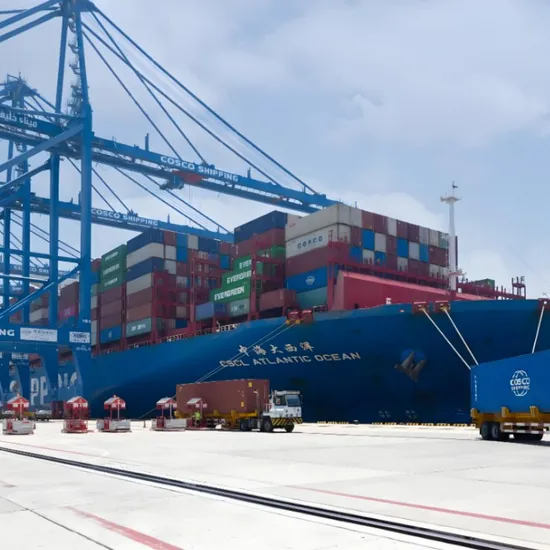
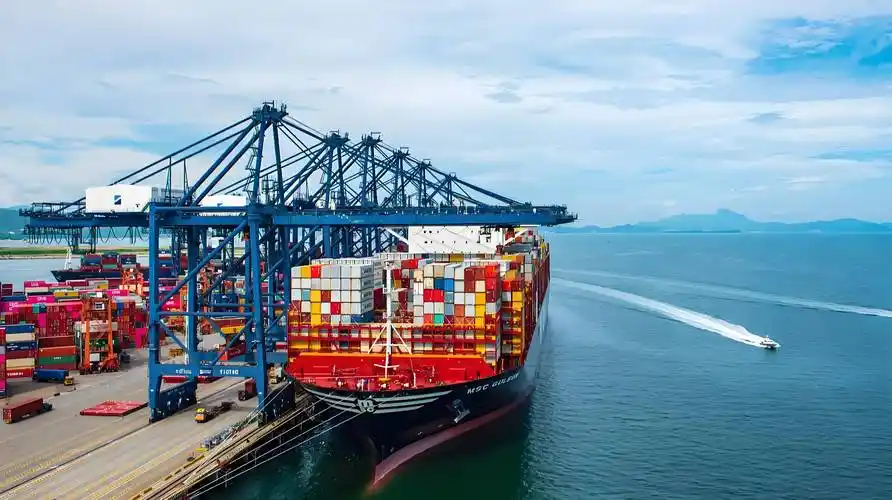
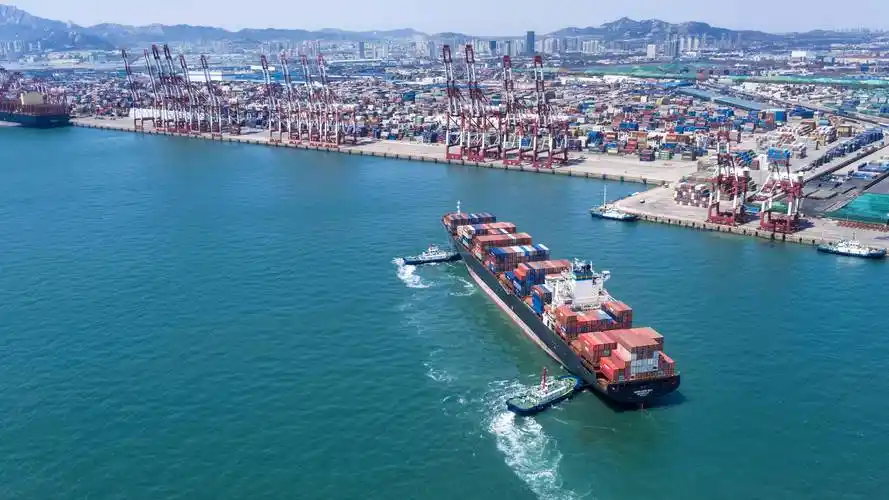
Containers are loaded onto vessels and shipped to the destination port. This is the most common option for bulk cargo.
Air Freight
Cargo is loaded onto aircraft for fast delivery, often used for high-value or urgent goods.
Rail Freight
Rail transport connects China with parts of Europe, offering a balance between cost and speed.
The freight forwarder monitors schedules and keeps the buyer informed.
Step Seven: Arrival at Destination Port or Airport
Once the shipment arrives, it enters the destination country’s customs process.
At this point, timing and documentation accuracy are crucial. Delays can result in storage and demurrage charges.
Step Eight: Import Customs Clearance
Import customs clearance involves:
- Reviewing shipment documents
- Declaring cargo value and classification
- Calculating duties and taxes
Freight forwarders often work with local partners to ensure smooth clearance.
Step Nine: Final Delivery to the Overseas Warehouse
After customs clearance, goods are transported to the final destination.
This may include:
- Truck delivery to a warehouse
- Delivery to a distribution center
- Delivery to a fulfillment or retail location
Door-to-door services simplify this final stage for buyers.
Common Challenges Along the Factory-to-Warehouse Route
Even with a clear process, challenges can arise.
Production Delays
Late production can affect shipping schedules and increase costs.
Documentation Errors
Small mistakes can trigger inspections or customs delays.
Port Congestion
Busy ports can cause unexpected transit time changes.
Experienced freight forwarders help anticipate and manage these risks.
How Freight Forwarders Add Value at Each Stage
Freight forwarders do more than move goods. They:
- Coordinate multiple parties
- Prevent timing conflicts
- Solve problems when delays occur
- Provide visibility and communication
Their role becomes more valuable as shipment complexity increases.
Why Understanding the Full Journey Matters
Buyers who understand the full factory-to-warehouse journey can:
- Plan inventory more accurately
- Reduce unexpected fees
- Communicate better with suppliers
- Make informed shipping decisions
This knowledge turns logistics into a controlled process rather than a guessing game.
Tips for Smoother Factory-to-Warehouse Shipping
- Confirm cargo details early
- Plan shipments in advance
- Use consolidation wisely
- Maintain clear communication
- Build long-term relationships with logistics partners
Small improvements at each step lead to significant efficiency gains.
Conclusion: Freight Forwarding as a Structured Process
From the Chinese factory floor to an overseas warehouse, freight forwarding follows a structured and logical process. Each step builds on the previous one, and small mistakes early on can affect the entire shipment.
By understanding freight forwarding basics and working closely with experienced logistics professionals, international buyers can move goods efficiently, control costs, and reduce risk.
When managed correctly, freight forwarding is not a complication—it is a powerful tool that connects global manufacturing with global markets.