

Introduction
Efficient transportation from China to Europe depends heavily on choosing the right shipping routes. Whether using sea, air, or rail, understanding major trade lanes and logistics hubs helps businesses reduce transit time, control costs, and improve supply chain reliability.
This guide explores the main shipping routes, key ports, and strategies for optimizing logistics between China and Europe.
Main Shipping Routes from China to Europe
1. Sea Freight Routes
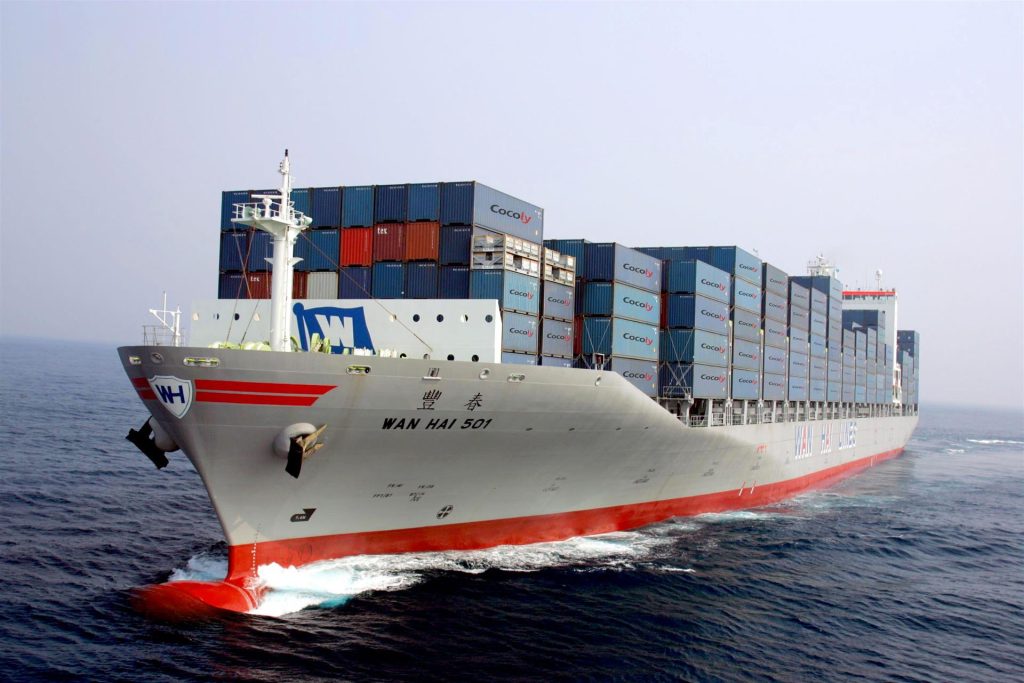
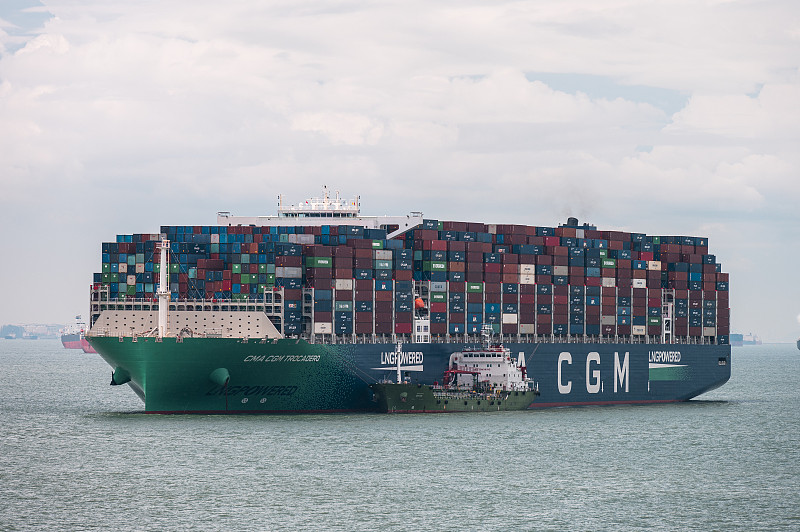
Sea freight is the most widely used method for large-volume shipments.
Main Route:
- South China Sea → Strait of Malacca → Indian Ocean → Suez Canal → Mediterranean Sea → Europe
This route connects major Chinese ports with European ports efficiently.
Transit Time:
- Approximately 30–45 days
2. Rail Freight Routes
Rail routes are part of the China–Europe Railway network.
Main Corridor:
- China → Kazakhstan → Russia → Belarus → Europe
Rail freight connects inland Chinese cities directly to European logistics hubs.
Transit Time:
- Approximately 12–20 days
3. Air Freight Routes
Air freight uses direct and indirect flight routes between major airports.
Common Air Hubs:
- Shanghai → Frankfurt
- Guangzhou → Paris
- Shenzhen → Amsterdam
Transit Time:
- Approximately 3–7 days
Major Export Ports in China
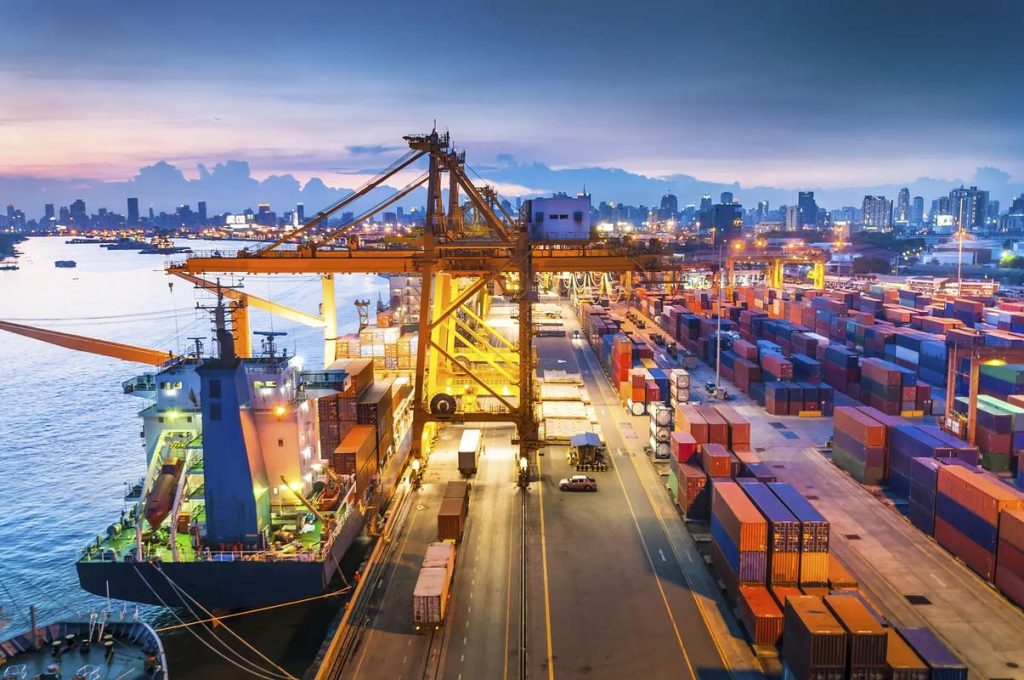
China has several key ports that handle international cargo:
- Shanghai
- Shenzhen
- Ningbo
- Guangzhou
- Qingdao
- Tianjin
These ports offer frequent shipping schedules to Europe.
Major Import Ports in Europe
Important European logistics hubs include:
- Rotterdam (Netherlands)
- Hamburg (Germany)
- Antwerp (Belgium)
- Le Havre (France)
These ports act as gateways for distributing goods across Europe.
Choosing the Best Route
Selecting the right shipping route depends on:
Cargo Size and Type
- Large shipments → sea freight
- Medium shipments → rail freight
- Urgent shipments → air freight
Budget
- Low cost → sea freight
- Medium cost → rail freight
- High cost → air freight
Delivery Time Requirements
- Flexible deadlines → sea freight
- Moderate urgency → rail freight
- Tight deadlines → air freight
Factors Affecting Shipping Routes
Port Congestion
Busy ports may cause delays in loading and unloading.
Geopolitical Conditions
Rail routes may be affected by international regulations or regional issues.
Weather Conditions
Storms and seasonal weather can impact sea and air transport.
Fuel Prices
Changes in fuel costs can influence shipping rates and route selection.
Strategies to Optimize Shipping Routes
Diversify shipping methods
Use a combination of sea, rail, and air freight to balance cost and speed.
Choose major ports
Large ports offer better connectivity and faster handling.
Plan shipments early
Avoid peak seasons and congestion periods.
Work with experienced forwarders
They can recommend the most efficient routes.
Multimodal Transport Solutions
Many businesses use multimodal logistics, combining:
- sea + rail
- rail + truck
- air + truck
This approach improves flexibility and efficiency.
Benefits of Understanding Shipping Routes
- reduced transit time
- lower transportation costs
- improved supply chain reliability
- better risk management
FAQ
What is the fastest route from China to Europe?
Air freight routes are the fastest, taking 3–7 days.
What is the cheapest route?
Sea freight routes offer the lowest cost for large shipments.
Is rail freight reliable?
Yes, rail freight provides stable transit times and fewer delays than sea freight.
Can routes change?
Yes, routes may change due to congestion, weather, or geopolitical factors.
What is multimodal shipping?
It combines different transportation methods to optimize logistics.
Understanding China–Europe shipping routes is essential for efficient logistics planning. By selecting the right routes, ports, and transportation methods, businesses can reduce costs, improve delivery speed, and build a more resilient supply chain.