

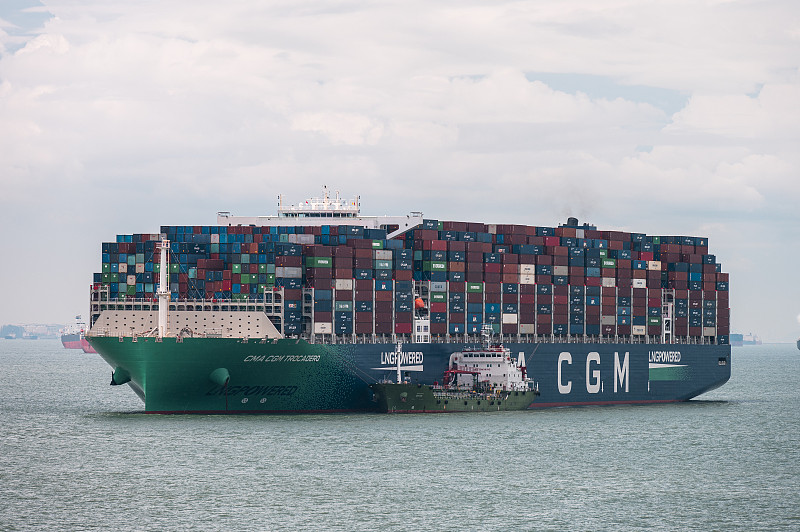
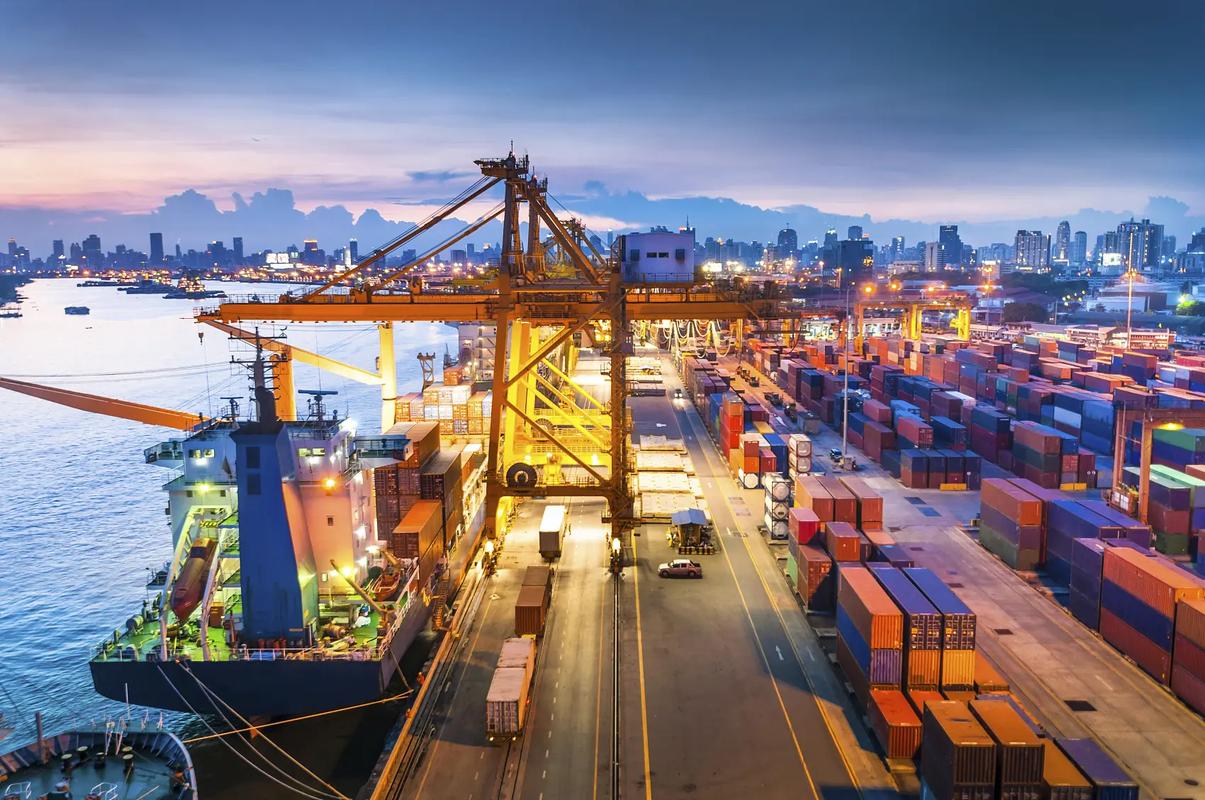
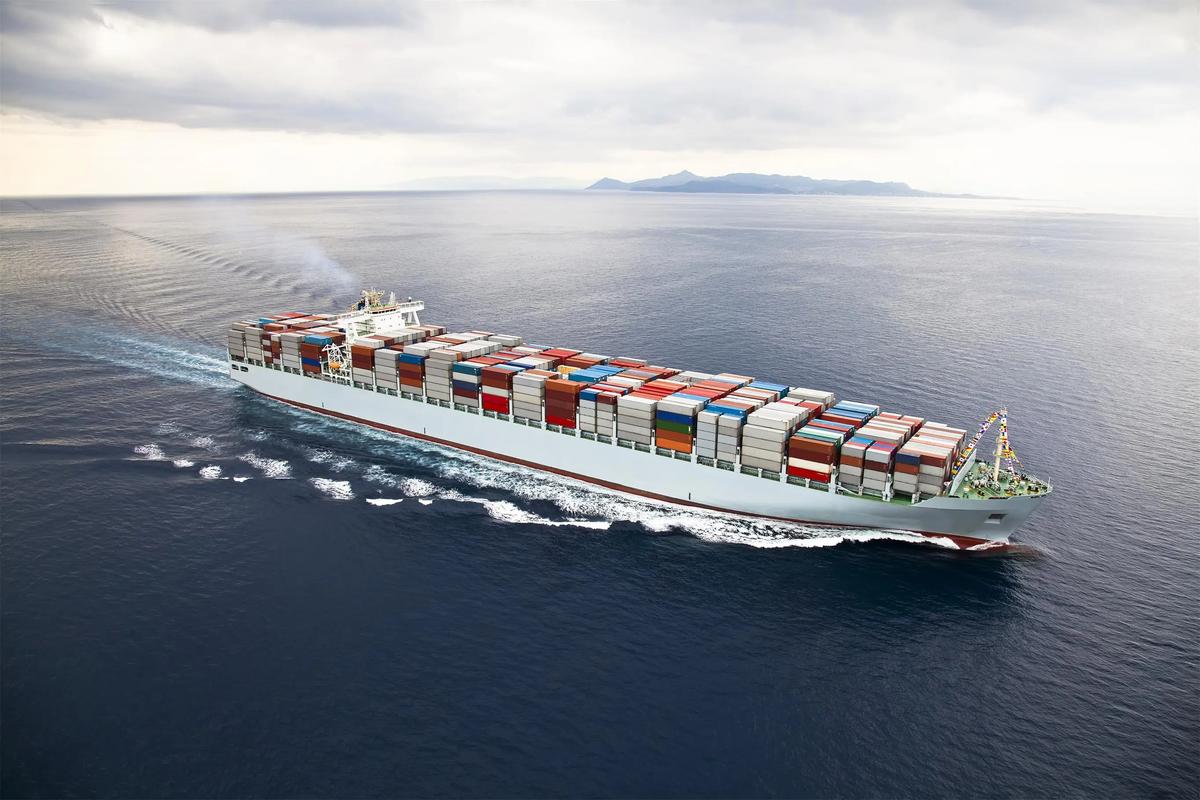
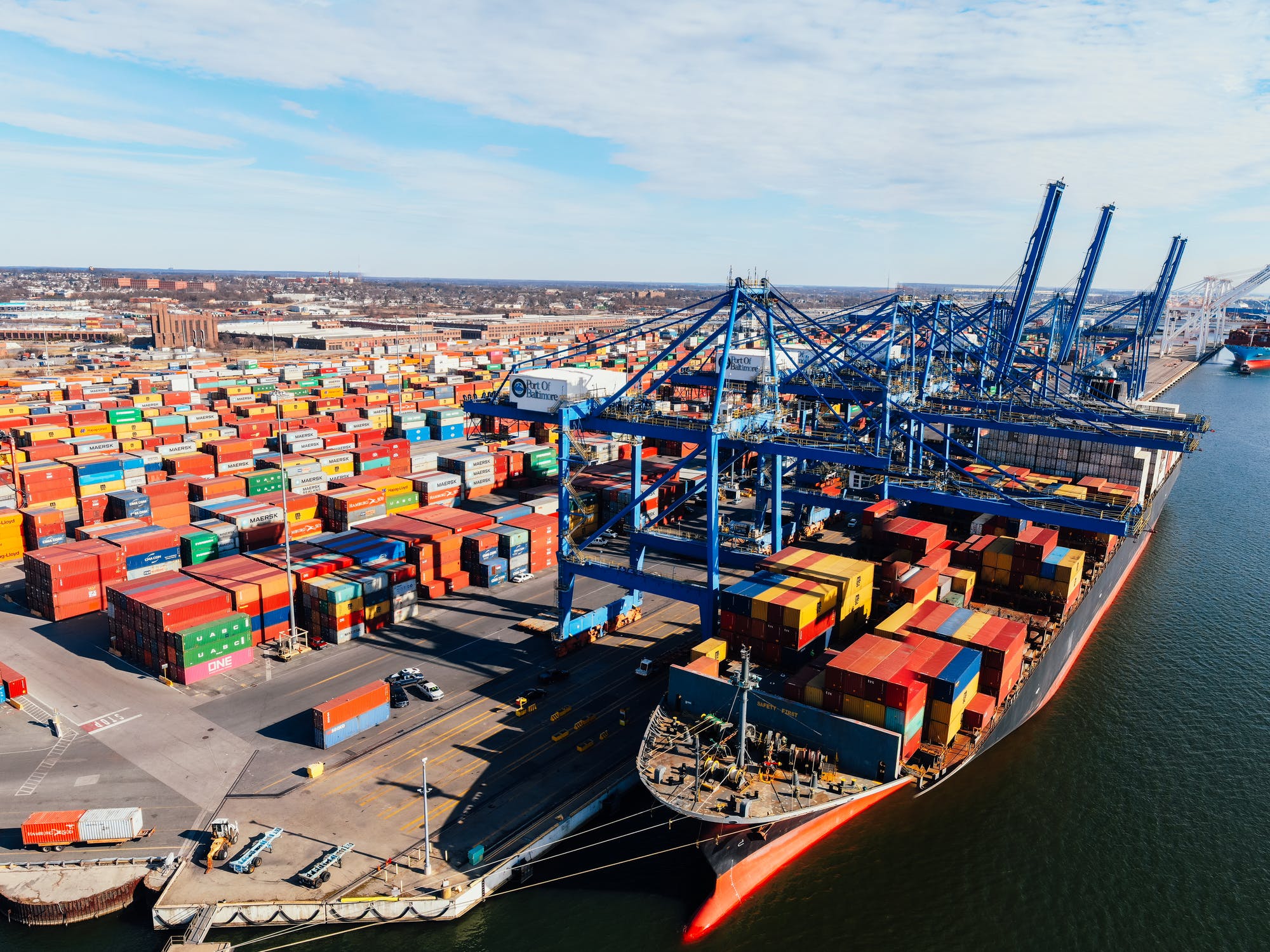
In the high-stakes theater of Trans-Pacific trade, the margin between profit and loss is measured in days. For importers bringing Full Containers (FCL) into the United States and Canada, the traditional logistics playbook is no longer sufficient. The volatility of the post-pandemic supply chain—characterized by erratic port congestion, equipment shortages, and fluctuating spot rates—demands a new level of strategic mastery.
Simply booking space on a vessel is easy. What is difficult, and infinitely more valuable, is securing a Direct Route that guarantees Fast Transit at a Competitive Rate while avoiding the logistical graveyard of the West Coast ports.
This article is a deep dive into the mechanics of optimizing your China-to-North America FCL shipping. We will deconstruct the illusion of “cheap rates,” explore the hidden value of direct services, and reveal how an expert forwarder navigates the complexities of US and Canadian regulations to deliver your cargo with surgical precision.
Chapter 1: Deconstructing the “Competitive Rate” – It’s More Than a Number
The biggest mistake importers make is fixating on the ocean freight rate quoted in USD. A $200 savings on the base rate is meaningless if you incur $2,000 in unforeseen charges.
A truly competitive rate for the North America lane is a Total Landed Cost calculation. It includes:
- The Base Ocean Freight: The cost of the vessel space.
- The Bunker Adjustment Factor (BAF): Fuel costs, which are volatile. Experts lock in rates to avoid sudden spikes.
- Terminal Handling Charges (THC): Often higher in North America than in China. A competitive quote clearly states the Origin THC (China) and Destination THC (USA/Canada).
- The Chassis Fee: In North America, the chassis (wheels) is often separate. A competitive quote includes this or provides a fixed-rate agreement.
- Customs Bonds & ISF Filing: The cost of US Customs compliance (ISF/AMS).
The Expert Insight: A professional forwarder provides a “Door-to-Door All-In Rate.” This transparency protects your budget from the “hidden fees” that bankrupt amateur operations.
Chapter 2: The Power of the Direct Route – Why Transshipment is a Liability
Many forwarders offer “cheaper” rates by routing your FCL cargo through intermediate hubs like Busan (South Korea) or Tokyo (Japan). For standard, non-urgent goods, this is acceptable. For professional supply chain management, it is a risk multiplier.
The Risks of Transshipment:
- The Rollover Effect: If a vessel is overbooked in Busan, your container is the first to be left behind.
- The Damage Factor: Every time a container is lifted from one ship to another, it experiences stress. Rough handling during transshipment is a leading cause of cargo damage.
- The Visibility Gap: Tracking a container through two different carriers and two ports creates information lag.
The Direct Route Advantage:
A direct service from Shanghai, Ningbo, or Yantian to Los Angeles/Long Beach, Seattle, or Vancouver is the gold standard.
- Speed: Transit times of 11-14 days to the US West Coast.
- Reliability: Fewer hands touching the cargo means fewer errors.
- Predictability: Easier to forecast arrival dates for your warehouse.
The Expert Strategy: We leverage Block Space Agreements (BSA) with premium carriers (Maersk, COSCO, Evergreen, Matson) to guarantee direct vessel space, even during peak season.
Chapter 3: The Need for Speed – Understanding “Fast Transit” Options
Not all fast transits are created equal. When you need your inventory now, you have two primary options:
1. The Premium “Express” Services
Carriers like Matson (USA) and ZIM (Canada) offer dedicated express lanes.
- Matson: Famous for its “China Clipper” service from Ningbo/Shanghai to Long Beach. Transit time: 11 days. The advantage? They own their terminals in Long Beach, meaning zero waiting time to offload.
- ZIM: Offers fast services to the US East Coast via the Suez Canal or landbridge.
2. The “Mini-Landbridge” (MLB) to the US East Coast
If you need to go to New York (NYK) or Savannah but want to avoid the 30+ day All-Water route:
- The Strategy: Ship via a fast direct vessel to the West Coast (e.g., Seattle). The container is then loaded onto a train (BNSF or UP) and railed across the country to the East Coast.
- The Benefit: Cuts transit time by 10-14 days compared to going through the Panama Canal.
The Expert Insight: We calculate the Inventory Carrying Cost. Sometimes, paying an extra $800 for a fast transit saves you $5,000 in warehousing fees and stockout costs.
Chapter 4: The Canadian Corridor – Vancouver and the CPKC Network
Shipping to Canada requires a different playbook. The gateway is primarily Vancouver (CNSVAN).
- The Advantage: Often less congested than LA/LB.
- The Challenge: Canadian railways (CN and CPKC) are highly sensitive to weight. Overweight containers face massive penalties.
- The Expert Strategy: We pre-weigh your FCL in China. We ensure the gross weight complies with Canadian railway limits (usually max 44,000 lbs per container for certain corridors). We then utilize the CPKC network to deliver directly to Toronto or Montreal with high efficiency.
Chapter 5: Customs Clearance – The Fastest Way to Lose Time
You can have the fastest ship in the world, but if your paperwork is wrong, your container will sit at the pier for weeks.
The ISF (Importer Security Filing) Deadline
US Customs (CBP) requires the ISF to be filed 24 hours before the vessel departs China.
- The Pitfall: Late filing results in a $5,000 fine.
- The Expert Solution: Automated filing systems that cross-reference your Commercial Invoice and Packing List. We ensure the Bond is active and sufficient for the cargo value.
The ACE Manifest (Automated Commercial Environment)
For Canada, the ACI (Advance Commercial Information) must be perfect.
- The Expert Solution: We work with licensed US and Canadian customs brokers who specialize in FCL shipments, ensuring a “Green Line” clearance (no exam).
Chapter 6: Case Studies in North American FCL Mastery
Case Study 1: The Furniture Rush (Ningbo to Long Beach)
- Client: A US retailer needing inventory for Black Friday.
- Challenge: Standard vessels were quoting 18-21 days transit. Too slow.
- Expert Solution: We booked a Matson Direct service. Transit time: 11 days. We coordinated the chassis pre-pull to avoid Long Beach congestion. The container was delivered to the Dallas warehouse 14 days after leaving the factory. Result: The client captured $200,000 in Black Friday sales.
Case Study 2: The Machinery Move (Shanghai to Toronto)
- Client: A Canadian manufacturer importing a 20-ton injection molding machine (FCL).
- Challenge: The cargo was overweight for standard rail.
- Expert Solution: We routed the shipment via Vancouver on a direct vessel. We pre-arranged an overweight permit with CN Rail. We used a specialized heavy-haul chassis for the final delivery. Result: Zero demurrage fees and on-time delivery to the factory floor.
Chapter 7: How to Select Your North America FCL Partner
When interviewing forwarders, use these questions to filter the experts from the amateurs:
- “Which carriers do you have Block Space Agreements (BSA) with for direct routes?” (Tests capacity).
- “Can you provide a ‘Door-to-Door All-In’ quote including chassis and customs?” (Tests transparency).
- “What is your average dwell time at the port of Los Angeles?” (Tests port efficiency).
- “Who is your licensed customs broker in the USA/Canada?” (Tests compliance).
- “Do you offer expedited rail service (MLB) to the East Coast?” (Tests network depth).
Conclusion: Speed is Your Competitive Weapon
In the Trans-Pacific trade, time is the ultimate currency. By choosing a logistics partner who prioritizes Direct Routes, Competitive All-In Rates, and Fast Transit, you are not just buying a shipping service; you are investing in supply chain velocity.
Don’t let your inventory rot on a slow boat or get stuck in a congested port. Master the North American Express.