

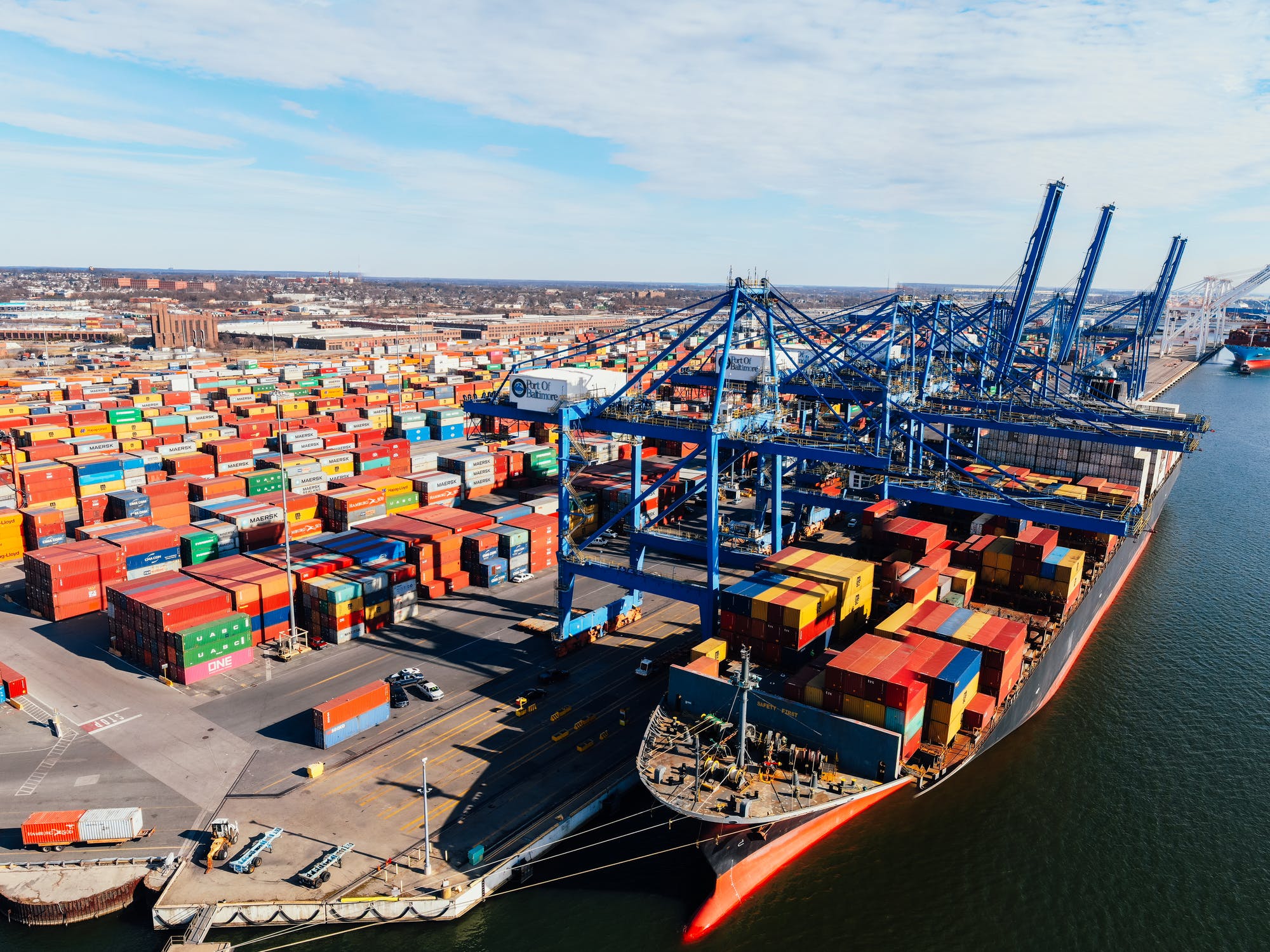
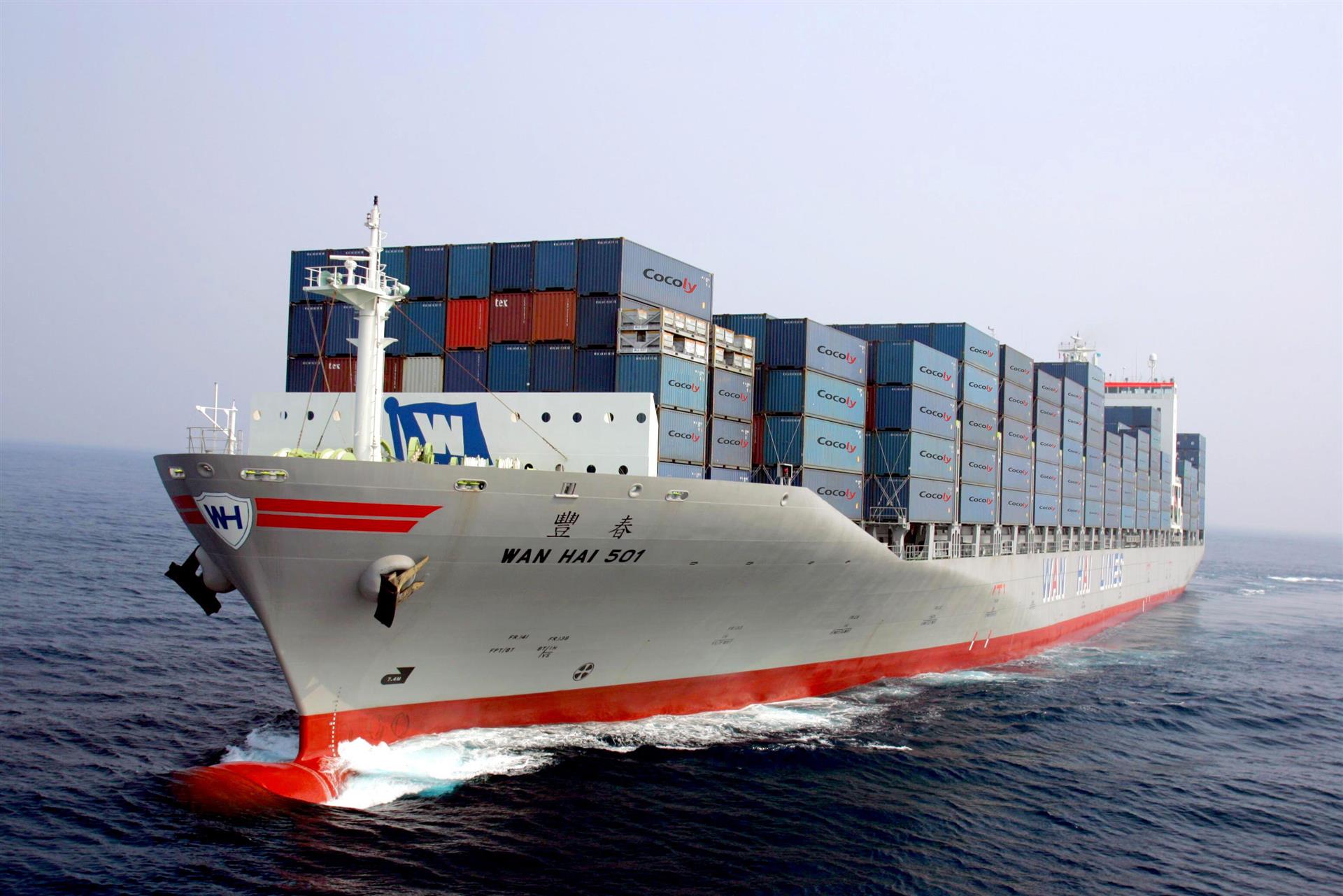
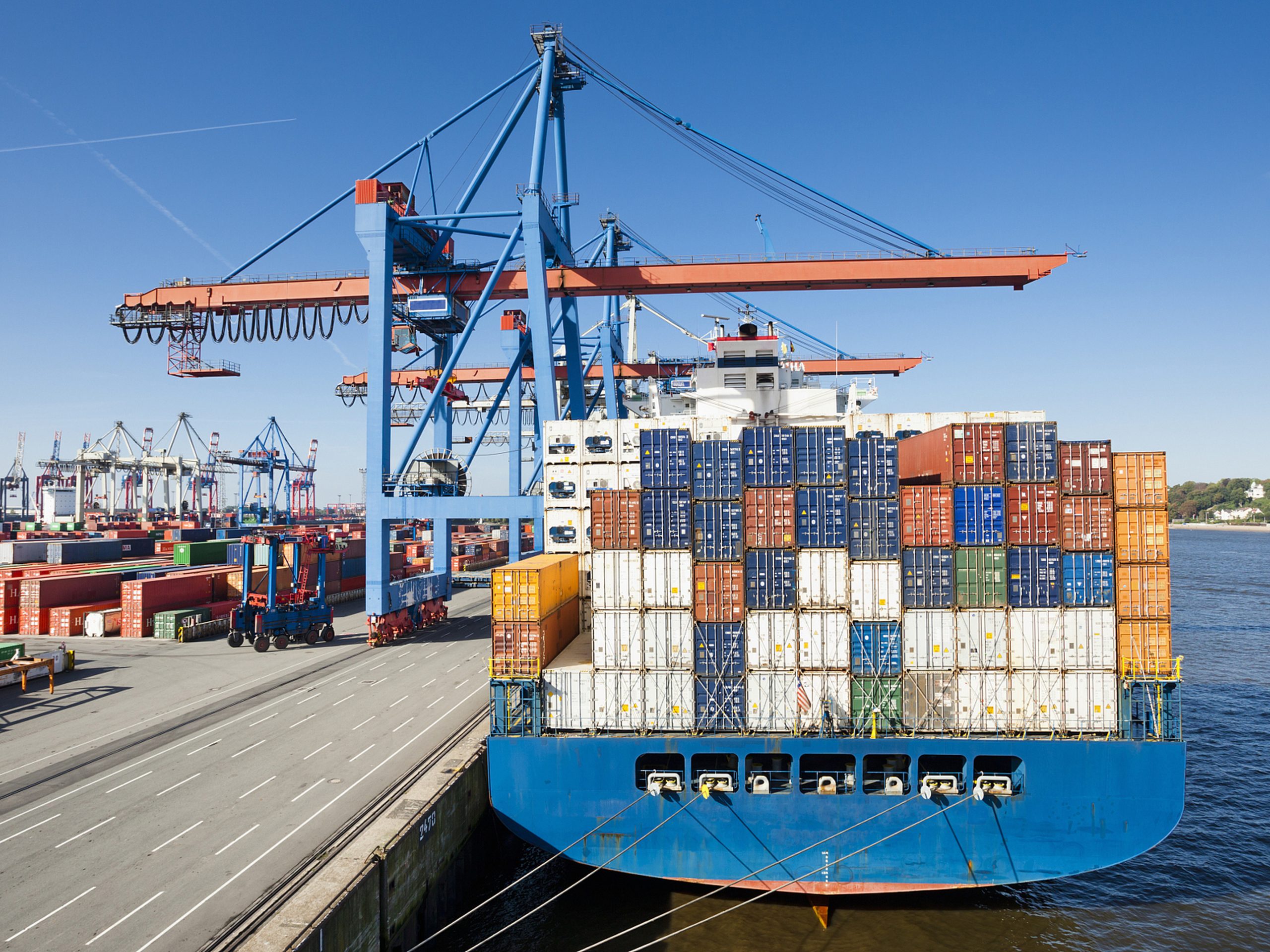
In the colossal machinery of global trade, China remains the indispensable engine. Every day, thousands of Full Container Loads (FCL) depart from the bustling ports of Shanghai, Ningbo, Shenzhen, and Qingdao, carrying the world’s goods. For importers, the choice of a freight forwarder is not merely a logistical decision; it is a financial one. The difference between a competent forwarder and the “Best” can translate into thousands of dollars saved annually, not just on the base ocean freight, but across the entire supply chain.
This article is a deep dive into the art and science of comparing FCL rates for the three most common container types: 20GP (20-foot General Purpose), 40GP (40-foot General Purpose), and 40HQ (40-foot High Cube). We will move beyond the superficial comparison of numbers on a spreadsheet and explore the underlying factors that determine the true cost and value of shipping from China.
Chapter 1: The Anatomy of the Box – Understanding Your Equipment
Before comparing rates, one must understand the product. Many importers lose money simply because they choose the wrong container type for their cargo.
1. The 20GP: The Workhorse
- Dimensions: 20’ x 8’ x 8’6”
- Capacity: Approximately 33 CBM (Cubic Meters) of usable space.
- Payload: Typically up to 28,000 kg (though this varies by carrier and route).
- Best For: Heavy, dense cargo (metals, machinery, tiles, liquids in drums). Its strength lies in its floor load capacity.
- The Rate Factor: 20GP rates are often volatile. During equipment shortages, the 20GP can become disproportionately expensive because it takes up the same slot on a ship as a 40-foot container but generates less revenue for the carrier.
2. The 40GP: The Standard Volume King
- Dimensions: 40’ x 8’ x 8’6”
- Capacity: Approximately 67 CBM.
- Payload: Typically up to 26,500 kg.
- Best For: General cargo that is not overly heavy but requires more space (furniture, plastics, apparel).
- The Rate Factor: Usually the baseline for rate comparisons. Carriers prefer 40GP bookings as they maximize vessel space utilization.
3. The 40HQ: The Tall King
- Dimensions: 40’ x 8’ x 9’6”
- Capacity: Approximately 76 CBM.
- Payload: Similar to 40GP, but with 10% more volume.
- Best For: Lightweight, voluminous goods (pillows, furniture, lightweight plastics, e-commerce goods).
- The Rate Factor: Often only marginally more expensive than a 40GP. If your cargo is light, the 40HQ offers a significantly lower cost-per-CBM.
The Expert Insight: The “Best” forwarder doesn’t just quote the 40HQ because it’s bigger. They calculate your Cargo Density. If your shipment is 20 CBM and 8 tons, a 20GP is cheaper. If it’s 65 CBM and 10 tons, a 40HQ is cheaper per unit than two 20GPs.
Chapter 2: Deconstructing the Rate – It’s Never Just the Ocean Freight
When a forwarder sends you a quote, they are presenting a composite of costs. To find the “Best,” you must deconstruct it.
The Components of a China FCL Rate:
- Ocean Freight: The base cost from Port A (China) to Port B (Destination).
- Terminal Handling Charge (THC): Paid to the terminal for loading/offloading. Origin THC in China is fixed, but Destination THC varies wildly by port.
- Bunker Adjustment Factor (BAF): A fuel surcharge. Highly volatile and tied to oil prices.
- Currency Adjustment Factor (CAF): Adjusts for exchange rate fluctuations.
- Peak Season Surcharge (PSS): Applied during high-demand periods (Aug-Oct).
- Emergency Bunker Surcharge (EBS): Sudden fuel cost increases.
- Documentation Fee: For the Bill of Lading and other papers.
- ISF/AMS Filing Fee: For US/Canada bound shipments.
The Comparison Trap: Forwarder A quotes $3,800 for a 40HQ to Los Angeles. Forwarder B quotes $3,950. You choose A. But Forwarder A’s Destination THC is $1,200, while Forwarder B’s is $850. Forwarder B is actually $150 cheaper overall.
The Expert Strategy: Always demand an “All-In Rate” or a detailed breakdown. The best forwarders provide transparency, showing you exactly where your money is going.
Chapter 3: The Market Dynamics – Why Rates Fluctuate Wildly
Understanding why rates change helps you choose the right forwarder at the right time.
1. The Golden Week Effect (China)
The first week of October (National Day) shuts down China. Factories rush to ship before the holiday, causing a massive spike in rates and equipment shortages. The best forwarders have Block Space Agreements (BSA) to protect their clients from these spikes.
2. The Lunar New Year Effect
Similar to Golden Week, but larger. Factories close for 2-4 weeks. Shipping before the closure is expensive; shipping after is cheap but slow.
3. The Capacity Game
Carriers manage capacity by “blank sailings” (canceling vessels). When capacity is tight, rates soar. The best forwarders have direct relationships with carriers like COSCO, Maersk, and Evergreen, giving them access to space when others are shut out.
4. The Geopolitical Factor
Events like the Red Sea crisis or Panama Canal droughts reroute ships, increasing transit times and costs. A forwarder with a diverse portfolio of carriers can pivot faster.
Chapter 4: Comparing the “Best” – Beyond the Dollar Amount
How do you compare two forwarders with similar rates? You compare their Value-Added Services.
| Feature | Average Forwarder | Best FCL Forwarder in China |
|---|---|---|
| Space Guarantee | “Subject to space availability.” | Block Space Agreement (BSA). Guaranteed. |
| Equipment | “We’ll try to find a 40HQ.” | Equipment Control. They have their own containers or priority access. |
| Documentation | Slow, prone to errors. | Automated & Accurate. ISF/AMS filed correctly every time. |
| Communication | Responds in 24 hours. | Real-Time. Dedicated WeChat/WhatsApp contact. |
| Tracking | Basic carrier website link. | Proprietary Portal. Updates on location, temperature (if reefer), and customs status. |
| Problem Solving | “It’s the carrier’s fault.” | Accountability. They solve the problem or pay the penalty. |
| Consolidation | No. | Strategic Consolidation. Combining multiple suppliers into one container to save you money. |
Chapter 5: Case Studies in Rate Comparison
Case Study 1: The Furniture Importer (Ningbo to New York)
- Cargo: 68 CBM of lightweight sofas.
- Option A (Amateur): Books a 40GP at $5,200. Cost per CBM: $76.47.
- Option B (Expert): Suggests a 40HQ at $5,450. Cost per CBM: $71.71.
- Result: Option B saves the client $4.76 per CBM, totaling $323.68 on this shipment alone. Over 50 containers a year, that’s $16,184 in savings.
Case Study 2: The Machinery Importer (Shanghai to Long Beach)
- Cargo: 18 tons of metal parts. Volume: 22 CBM.
- Option A (Amateur): Books a 20GP at $3,600.
- Option B (Expert): Calculates the density. Suggests a 20GP but negotiates a Heavy-Lift Discount due to the weight. Rate: $3,400.
- Result: Option B saves $200 and ensures the heavy cargo is handled by a carrier experienced with weight, preventing port rejections.
Chapter 6: How to Get the Best Rate from China
- Book Early: For Trans-Pacific (USA/Canada), book 4-6 weeks in advance. For Europe, 3-4 weeks.
- Be Flexible with Ports: If your supplier is in Suzhou, shipping from Shanghai might be cheaper than Ningbo due to inland trucking costs. The best forwarder calculates the Total Landed Cost, not just the ocean rate.
- Consolidate Shipments: If you have multiple suppliers in the same city, ask your forwarder to consolidate them into one container. You pay one THC and one customs clearance fee.
- Negotiate a Contract: If you ship regularly, ask for a Service Contract. This locks in your rates for 12 months, protecting you from market spikes.
- Understand the “Last Mile”: When comparing 40HQ rates to the USA, ask about Chassis Fees and Pre-Pulling options. The cheapest ocean rate often leads to the most expensive destination charges.
Chapter 7: The Technology Edge
The best forwarders in China leverage technology to optimize rates.
- AI Rate Shopping: Instantly comparing rates across 50+ carriers to find the best deal.
- Predictive Analytics: Forecasting rate increases so you can book before the hike.
- Digital Twinning: Creating a virtual model of your shipment to find the most efficient container mix (e.g., one 40HQ + one 20GP vs. three 20GPs).
Conclusion: The Definition of “Best”
The “Best FCL Freight Forwarder in China” is not the one with the lowest rate on a screenshot. It is the one who:
- Optimizes your container usage (20GP vs 40GP vs 40HQ).
- Provides transparent, all-in pricing.
- Guarantees space and equipment.
- Protects you from market volatility.
- Communicates proactively.
When you compare rates, look beyond the dollar sign. Look at the service architecture. In the world of FCL shipping from China, the cheapest quote is almost always the most expensive mistake you will make. Choose the partner who builds value, not just moves boxes.