

How to Handle the 2026 US East Coast Port Strike Threat for China Imports
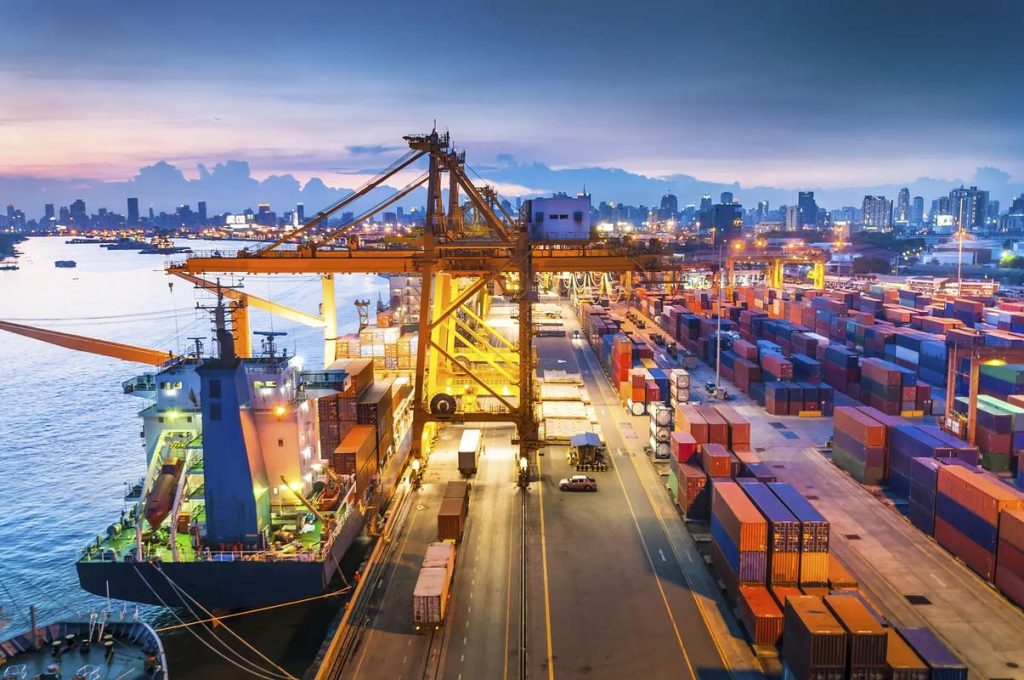
The specter of a US East Coast port strike in 2026 is no longer a question of “if,” but “when.” With the International Longshoremen’s Association (ILA) contract negotiations looming and automation remaining a sticking point, the vulnerability of the supply chain from China to New York, Savannah, and Norfolk is at an all-time high.
For businesses importing from China, a strike isn’t just a delay; it is a systemic shock. A 10-day strike doesn’t just cost you 10 days; it creates a 30-day backlog. As a forwarder with years of crisis management experience, I can tell you that waiting for a “resolution” is a failing strategy. You need a contingency plan now.
This guide outlines the operational realities of the 2026 strike threat and how to pivot your China supply chain to survive it.
1. The “Domino Effect” of a Single Day
Many importers think a 1-day strike is manageable. It is not.
The 2026 Reality:
US East Coast ports operate on a “Just-in-Time” chassis and berth system.
- Day 1: Strikes begin. Vessels anchor outside NY/NJ.
- Day 3: Chassis pools (the trailers for containers) freeze. Even if the strike ends, there are no chassis to move containers out of the yard.
- Day 7: The “Overflow” begins. Terminals close gates because they are full.
- Day 14: The “Ripple.” West Coast ports start rejecting cargo because they are overwhelmed by diversions.
The Strategy: Do not plan for the strike duration. Plan for double the strike duration in recovery time.
2. The “West Coast Diversion” Trap
The default advice is “ship to LA/LB instead.” In 2026, this is a trap if not executed correctly.
The Problem:
If you simply reroute your container from New York to Los Angeles, you solve the ocean part but create a land bridge nightmare.
- The Rail Gridlock: LA/LB to the East Coast requires transloading and rail. During a strike, rail ramps will be congested with diverted cargo.
- The Cost Surge: Domestic trucking rates from LA to Atlanta or New York will spike by 40-60%.
The 2026 Solution:
If you divert to the West Coast, use “Transloading.” Instead of shipping a full container (FCL) across the country, unload the goods in LA, put them on 53′ domestic trailers, and truck them. It is faster than rail during a crisis and avoids the rail congestion.
3. The “Front-Loading” Calculation
“Front-loading” means bringing your shipments forward to arrive before the strike deadline.
The Math:
If the strike is predicted for October 1st, you need your cargo to be discharged and picked up by September 15th.
- Ocean Transit: China to East Coast takes 30-35 days.
- Buffer: Add 14 days for delays.
- Action: Your goods must leave China by August 1st.
The Risk: You will pay “Peak Season Surcharges” (PSS) and “Congestion Surcharges.” However, the cost of a stockout is always higher than the cost of the freight.
4. The “Charleston & Baltimore” Alternative
Everyone diverts to New York and Savannah. Smart importers divert to secondary ports.
The 2026 Options:
- Jacksonville (FL): Smaller volume, faster turnaround.
- Wilmington (NC): Less congested than Norfolk.
- Montreal (Canada): If you are in the Northeast, diverting to Montreal and using “Mini-Land Bridge” (rail to the US) can bypass the ILA strike entirely, as Canadian ports operate under different unions.
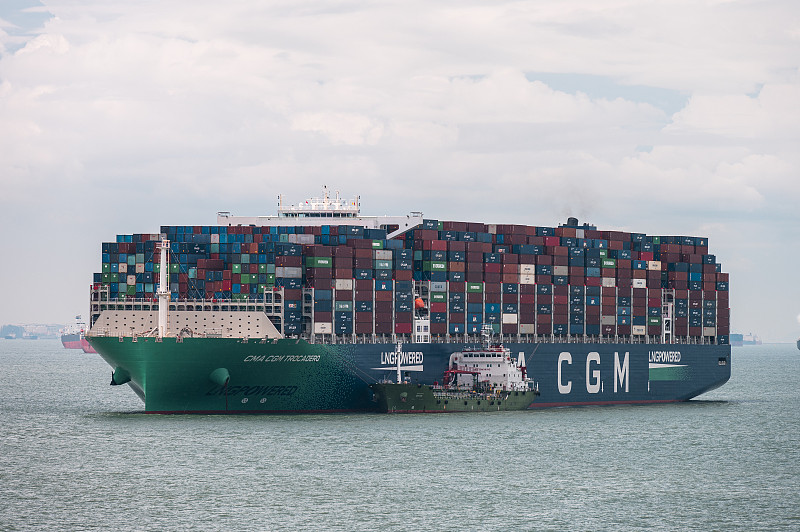
The Catch: These ports have draft limitations. Make sure your 13,000 TEU mega-ship can actually dock there. If not, you need to use a “Feeder Service” (smaller ships from a hub).
5. Inventory Buffering: The “Safety Stock” Formula
How much extra inventory should you bring in?
The 2026 Formula:
Safety Stock = (Daily Sales x Lead Time Volatility) + (Daily Sales x Strike Duration)
If you sell 100 units/day:
- Lead Time Volatility: 15 days.
- Strike Duration: 30 days.
- Extra Inventory Needed: 4,500 units.
The Warehouse Constraint: Where do you put it? In 2026, industrial real estate on the East Coast is tight. Secure “Short-Term Overflow Space” now. Do not wait for the strike to start.
6. Contractual Protection: The “Force Majeure” Clause
Your forwarder will invoke “Force Majeure” to avoid liability for delays. You need to protect your downstream contracts.
The Strategy:
- With Suppliers: Change Incoterms from DDP (Delivered Duty Paid) to DAP (Delivered at Place). This shifts the risk of port delays to the buyer (you), but protects you from being sued by your customers for late delivery.
- With Customers: Insert a “Supply Chain Disruption” clause in your sales contracts. Notify them now that “External Labor Disruptions” may affect lead times. Transparency prevents chargebacks.
7. The “Air Freight” Trigger Point
When do you switch from sea to air?
The 2026 Trigger:
If your inventory drops below 15 days of stock, and the strike is confirmed, switch to Air Freight for your best-selling SKUs.
- The Consolidation Trick: Use “Air Charter” groups. Join with other importers to charter a partial plane. This cuts Air Freight costs by 30% compared to standard rates.
8. The “Empty Return” Crisis
During a strike, carriers will stop delivering empties to the port because they aren’t picking up laden boxes. This causes an “Equipment Shortage.”
The Fix: If you are shipping from China, insist on “SOC” (Shipper Owned Containers) instead of COC (Carrier Owned Containers). You own the box, so you are not dependent on the carrier’s empty return cycle. This is more expensive, but it guarantees you can ship when others cannot.
Conclusion
Handling the 2026 US East Coast port strike threat is not about avoiding the strike; it is about mitigating the collateral damage.
Your action plan must be activated by July 1st, 2026:
- Divert to secondary ports or the West Coast with transloading.
- Front-load August and September shipments.
- Secure overflow warehouse space.
- Communicate Force Majeure clauses to your partners.
The winners in 2026 will not be the ones who react fastest, but the ones who planned for the gridlock before the first picket line went up.
Q&A: Managing the 2026 East Coast Strike
Q: My forwarder says “we have space on the ship,” so I’m safe. Is that true?
A:No. Having space on the ship means nothing if the port is closed or the chassis are unavailable. Ask your forwarder: “What is your plan for chassis provisioning if the port is congested?” If they don’t have an answer, they haven’t planned.
Q: Should I use the “Panama Canal” route or the “Suez Canal” route?
A: In 2026, the Panama Canal has drought restrictions. For East Coast bound cargo, the Suez Canal (via the East Coast of South America) is more reliable but takes 5 extra days. If you are front-loading, use Suez. If you are diverting to the West Coast, Panama is irrelevant.
Q: How do I know if my cargo is “Critical Infrastructure”?
A: If you ship medical supplies, food, or automotive parts for assembly lines, you may qualify for “Priority Pier Pass.” Contact your congressman and the port authority now. If you don’t have a letter of “Critical Need,” your cargo will sit with everyone else’s.
Q: What happens to my “Demurrage and Detention” (D&D) fees during a strike?
A: Carriers will argue that the strike is “Force Majeure” and waive D&D fees. However, they will charge “Storage” fees at the terminal. You must prove that you attempted to pick up the container. Keep all emails and records of failed trucking appointments.
Q: Is it better to ship to Canada and truck to the USA?
A:Yes, for the Northeast. Shipping to Halifax or Montreal and trucking to Boston or New York avoids the ILA strike. However, you will face Canadian Border Services Agency (CBSA) inspections and USMCA compliance checks. It adds 3-5 days but bypasses the strike entirely.
Q: My supplier in China is insisting on FOB terms. How do I make them help?
A: Under FOB, the supplier chooses the forwarder. Tell them: “If you use a forwarder who cannot guarantee a West Coast diversion plan, I will cancel the order.” Put the pressure on them to select a forwarder with robust contingency plans.