

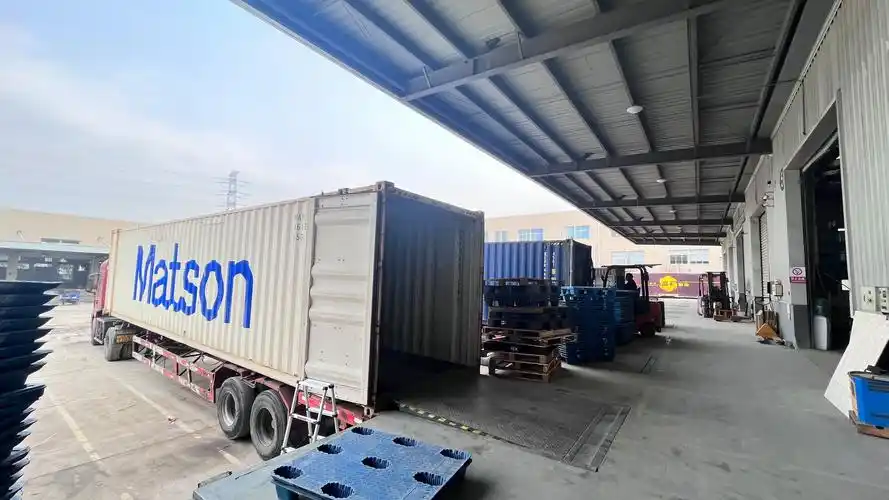
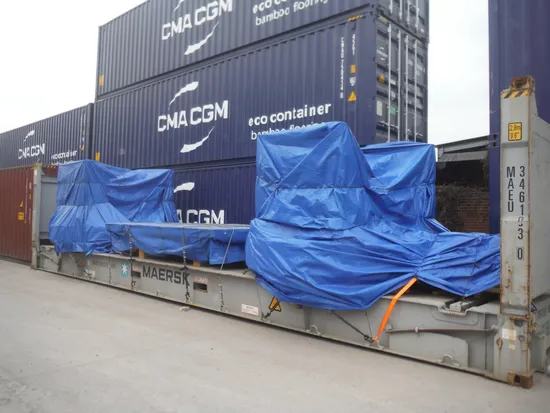
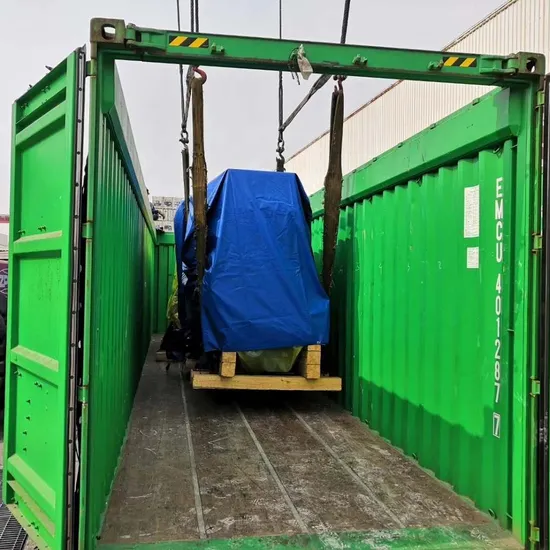
China is the world’s manufacturing powerhouse. From lithium batteries and chemicals to industrial machinery, countless products exported daily fall under the strict category of Dangerous Goods (DG). Shipping these items isn’t just about moving cargo; it’s about navigating a complex web of international laws, safety protocols, and logistical challenges.
This is where China’s Dangerous Goods Freight Forwarders step in. They are not just logistics providers; they are specialized risk managers ensuring your hazardous cargo reaches its destination safely, legally, and on time.
🚨 What Qualifies as Dangerous Goods?
Before diving into the “who,” let’s clarify the “what.” Dangerous goods are substances that pose a risk to health, safety, property, or the environment. In the logistics world, they are strictly regulated under frameworks like the IMDG Code (International Maritime Dangerous Goods), IATA DGR (Dangerous Goods Regulations for air transport), and ADR (European Agreement concerning the International Carriage of Dangerous Goods by Road). Common examples include:
- Flammable liquids and solids
- Toxic and infectious substances
- Corrosive materials
- Oxidizing substances
- Radioactive materials
- Miscellaneous dangerous goods (like dry ice or asbestos)
🚀 Core Services of a Top-Tier China DG Forwarder
A standard freight forwarder might shy away from hazmat, but a specialized Chinese DG forwarder thrives in this high-stakes environment. Their expertise covers the entire shipping lifecycle:
- Precise Classification & Packaging: They determine the exact UN number, proper shipping name, and hazard class of your goods. More importantly, they ensure your cargo is packed using certified UN-specification packaging to prevent leaks or reactions during transit.
- Flawless Documentation: One wrong declaration can lead to massive fines, cargo holds, or accidents. DG forwarders handle the complex paperwork, including the Dangerous Goods Declaration (DGD), Material Safety Data Sheets (MSDS), and emergency response documents.
- Multi-Modal Transportation: Whether it’s securing space on a specialized container ship, booking a rare hazardous-material flight, or arranging ADR-compliant trucking across Europe, they orchestrate seamless door-to-door delivery.
- Emergency Response Planning: Accidents happen. A qualified forwarder has robust contingency plans and 24/7 emergency response capabilities to mitigate any incident on the road, at sea, or in the air.
🛡️ How to Choose the Right DG Partner in China
With countless logistics companies claiming expertise, how do you pick the right one? Look for these non-negotiable traits:
- Certifications & Licenses: Verify their qualifications immediately. Do they hold valid hazardous materials transport licenses? Are their staff certified DG handlers?
- Proven Track Record: Experience matters. Ask for case studies involving shipments similar to yours, especially for complex or highly regulated cargo like Class 1 (Explosives) or Class 7 (Radioactive) materials.
- Global Network & Local Strength: The best forwarders combine strong local relationships at major Chinese ports (like Shanghai, Shenzhen, or Ningbo) with a reliable global agent network to ensure smooth customs clearance abroad.
- Tech-Driven Transparency: In modern logistics, visibility is king. Opt for forwarders offering real-time tracking, digital documentation, and proactive updates on your shipment’s status.
💡 Conclusion: Turning a Risk into a Competitive Advantage
Shipping dangerous goods from China is inherently risky, but it doesn’t have to be a nightmare. By partnering with a knowledgeable, certified, and well-connected Dangerous Goods Freight Forwarder, you transform a potential liability into a streamlined, predictable process.
In a global market where supply chain disruptions are costly, investing in the right DG logistics partner isn’t just a regulatory necessity—it’s a smart business strategy that protects your bottom line and your reputation.