


In the fast-paced world of global trade, “waiting” is a luxury you cannot afford. Whether you are restocking inventory to meet a viral demand or replacing defective parts for a critical project, delays in Less than Container Load (LCL) shipping can cost thousands.
The standard logistics timeline—waiting 24 hours for a quote and 3 days for consolidation—is obsolete. Today, you need a partner who offers 24-hour online quoting and executes same-day warehouse entry and loading. This guide explains how to find a forwarder who operates at the speed of your business.
1. The High Cost of “Standard” Logistics
Traditional freight forwarders operate on a 9-to-5 schedule. For urgent shipments, this creates a bottleneck:
- Quote Delays: Waiting a day for a quote means losing a day of transit time.
- Warehouse Backlogs: Standard consolidators wait until they have a “full container” before loading, leaving your urgent cargo sitting on a shelf.
- Communication Gaps: When issues arise, slow responses lead to missed vessels and missed deadlines.
2. The “Rapid Response” Logistics Model
A forwarder built for speed integrates technology and operational efficiency. Here is what to look for:
A. 24/7 Automated Quoting
Speed starts with pricing. A tech-enabled forwarder uses an AI-driven quoting engine. You input your cargo details (Volume, Weight, Commodity) and receive an accurate, all-in rate instantly—day or night. No more waiting for a salesperson to “check the rates.”
B. Same-Day Loading Execution
“Same-day entry, same-day loading” is the gold standard. This requires:
- Strategic Warehouse Location: The warehouse must be within minutes of the port (Shanghai, Ningbo, or Shenzhen).
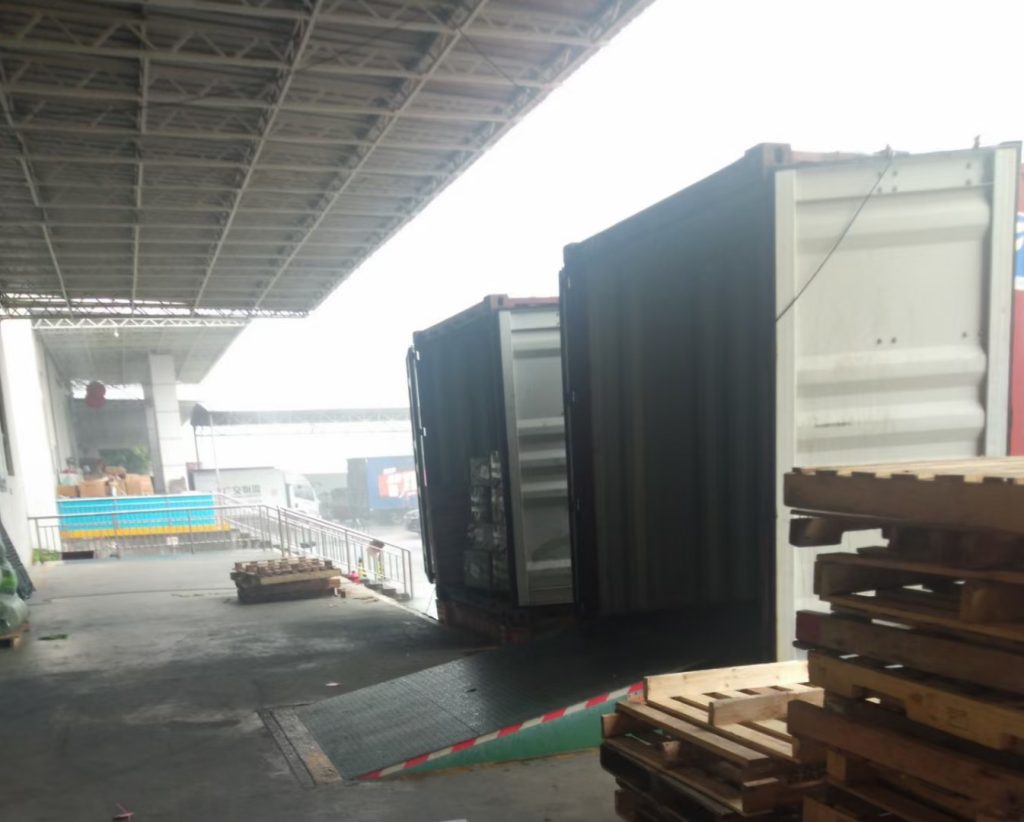
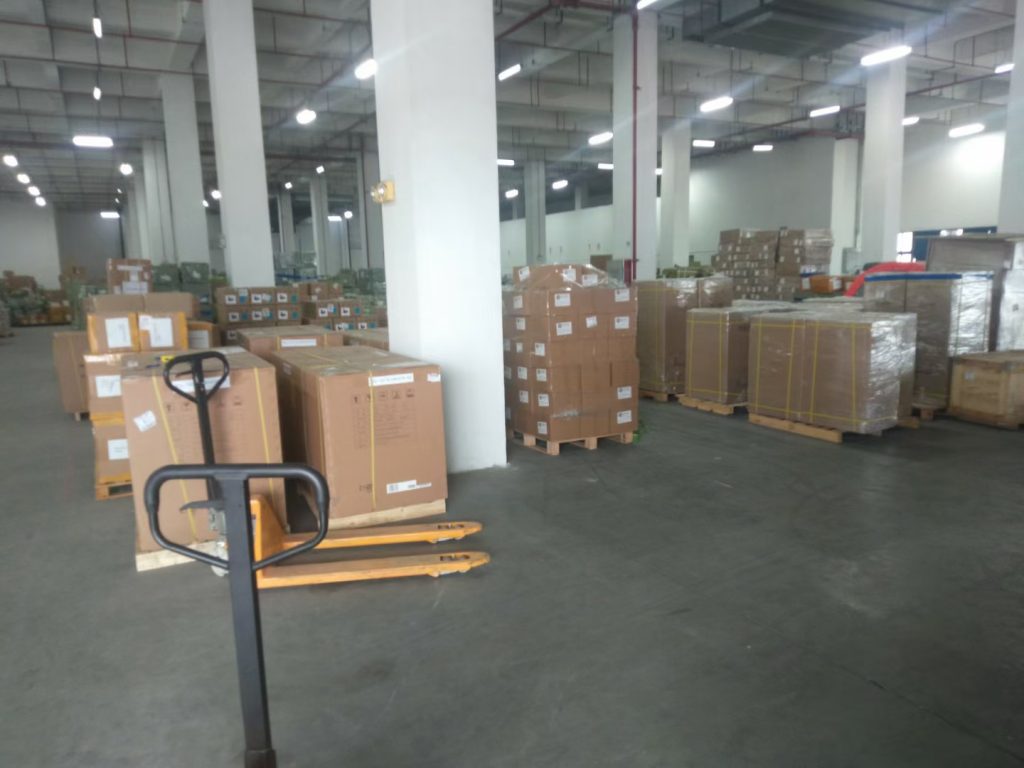
- Express Consolidation: A dedicated team that prioritizes urgent LCL shipments, stuffing your cargo into a container immediately upon arrival.
- Direct Carrier Interface: The ability to issue a Bill of Lading and submit customs data instantly.
3. How to Vet for “True” Speed
Many forwarders claim to be fast. Verify their capabilities with these questions:
- “What is your average quote response time at 10 PM?” (If they say “next business day,” they are not 24/7).
- “What is the cut-off time for same-day loading?” (Look for a window that closes late in the evening).
- “Can I track my cargo status in real-time via a dashboard?” (Speed requires digital visibility).
4. The Urgency Checklist: Is This Forwarder Right for You?
Use this table to compare a standard forwarder against a rapid-response specialist:
| Feature | Standard Forwarder | Rapid-Response Specialist |
|---|---|---|
| Quoting | Email-based, 12-24 hour wait. | Instant online portal, 24/7. |
| Warehouse | Consolidates once a week. | Daily or same-day consolidation. |
| Documentation | Manual processing. | Automated digital submission. |
| Problem Solving | “We will get back to you.” | Immediate escalation protocol. |
5. Technology as the Engine of Speed
The best forwarders leverage API integrations with carriers and ports. This allows them to book space and submit customs declarations in minutes, not hours. When evaluating a partner, ask if their system provides real-time container tracking from the moment your cargo enters the warehouse. If they rely on manual updates, they are not built for urgency.
Conclusion
When you are in a rush, the cheapest quote is irrelevant. You need a logistics partner who matches your pace.
Stop waiting for slow responses and delayed consolidations. Partner with a China LCL forwarder who offers 24/7 instant quotes and the operational power to load your cargo the very same day. Your deadline depends on it0