

Less than Container Load (LCL) shipping from China offers flexibility, but it also exposes importers to a unique set of risks. From phantom cargo space to “bait-and-switch” pricing, the industry is filled with pitfalls that can derail your supply chain.
The most effective defense is experience. Partnering with a 15-year-established logistics provider that offers transparent, real-time tracking is the ultimate safeguard. This guide reveals the common traps in LCL shipping and how a seasoned expert navigates around them.
1. The Anatomy of an LCL Scam
New or inexperienced forwarders often cut corners to offer the lowest quote. Here are the red flags to watch for:
- The “Low-Ball” Quote: They quote an impossibly low ocean freight rate, only to hit you with massive “Destination Port Fees” or “Documentation Fees” later.
- Phantom Space: They take your booking but don’t actually secure a slot with the carrier. When the ship is full, your cargo is rolled to the next week—or the week after.
- Volume Padding: They inflate your Chargeable Volume (CBM). A 5 CBM shipment suddenly becomes 6.5 CBM on the invoice.
2. Why 15 Years of Experience Matters
In the volatile world of logistics, longevity is a proxy for reliability. A forwarder with a 15-year track record has survived market crashes, port strikes, and global pandemics. They offer:
A. Proven Carrier Relationships
Established forwarders have Volume Allocation Contracts. Carriers prioritize them during peak season. While a new broker is begging for space, a veteran is loading containers.
B. Crisis Management
Experience means they have seen every problem before. A 15-year veteran knows how to handle a customs hold in Rotterdam or a documentation error in Long Beach without causing weeks of delay.
C. Financial Stability
Longevity ensures they have the cash flow to pay carriers upfront, preventing your cargo from being held due to the forwarder’s financial issues.
3. The Power of “Radical Transparency” via Real-Time Tracking
The days of “Your cargo is on the water” are over. Modern logistics requires end-to-end visibility. A reliable, established forwarder provides:
| Tracking Feature | Why It Matters | Anti-Scam Benefit |
|---|---|---|
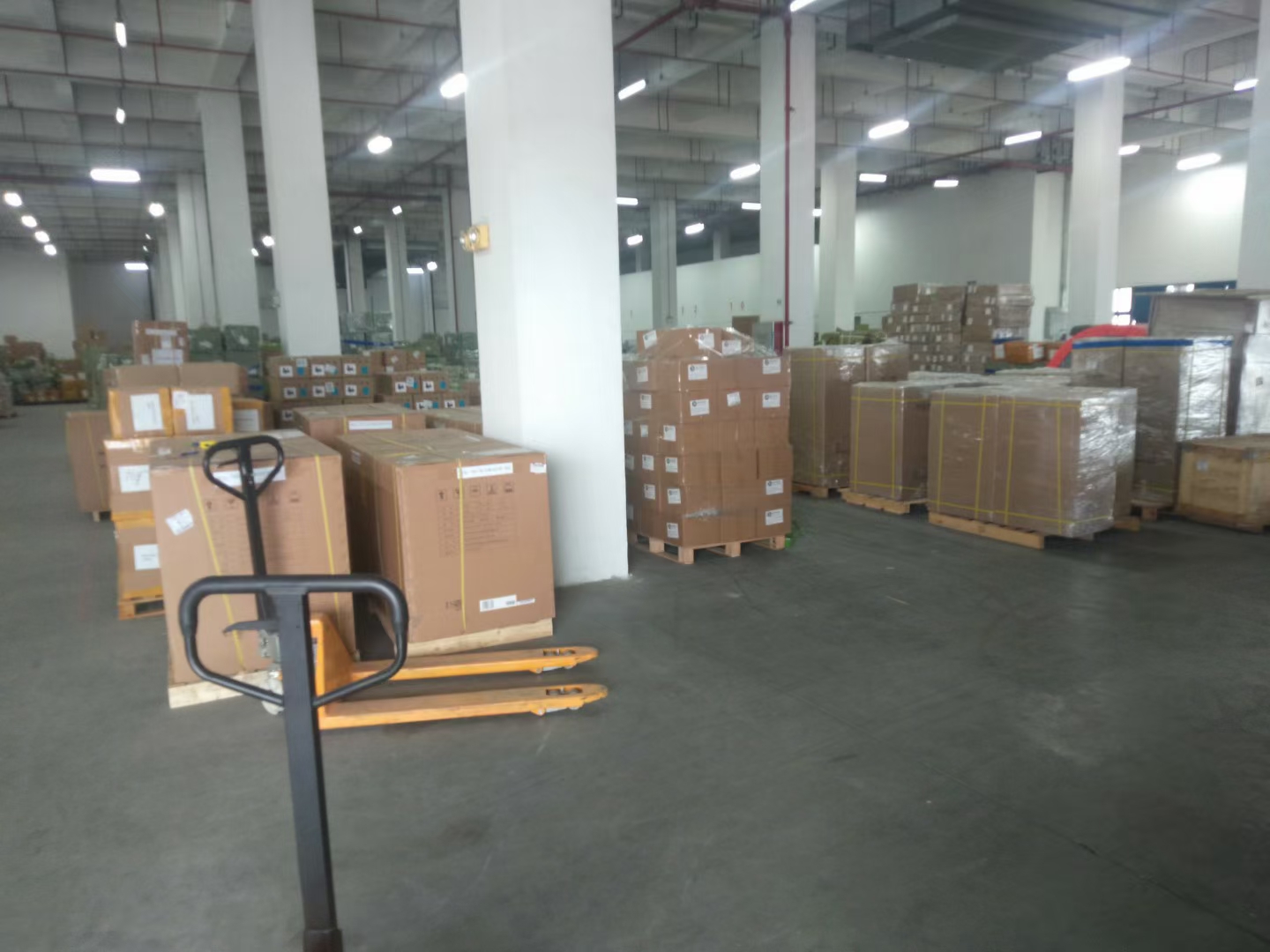
| Warehouse Receipt | Photo proof of cargo arrival. | Prevents “lost cargo” claims. |
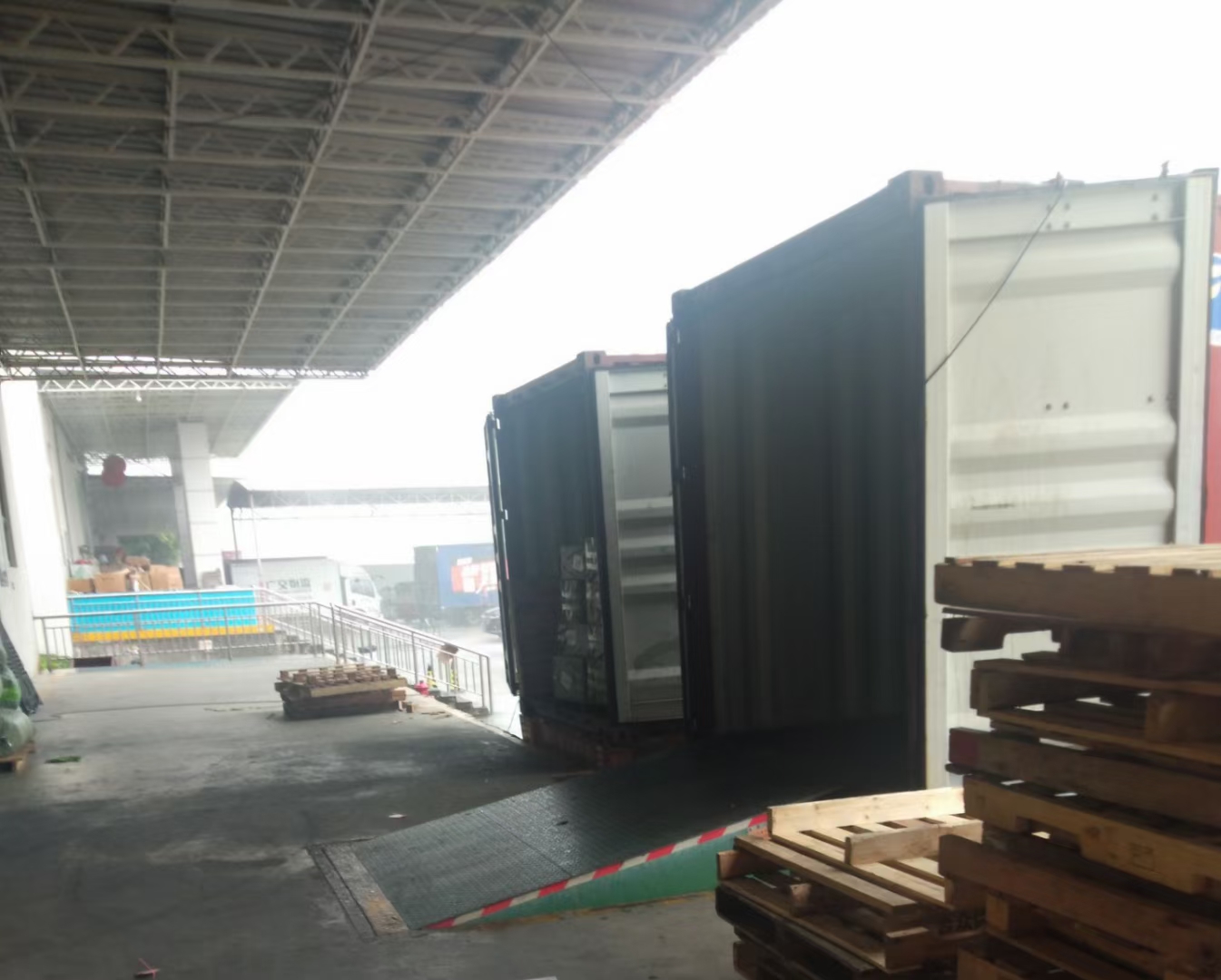
| Container Stuffing | Video of your goods being loaded. | Ensures no damage during handling. |
| Vessel Tracking | Live GPS location of the ship. | Confirms the ship actually sailed. |
| Customs Clearance | Status update at the destination. | Eliminates “customs delay” excuses. |
4. How to Vet for True Transparency
Don’t just ask “Do you have tracking?” Ask these specific questions:
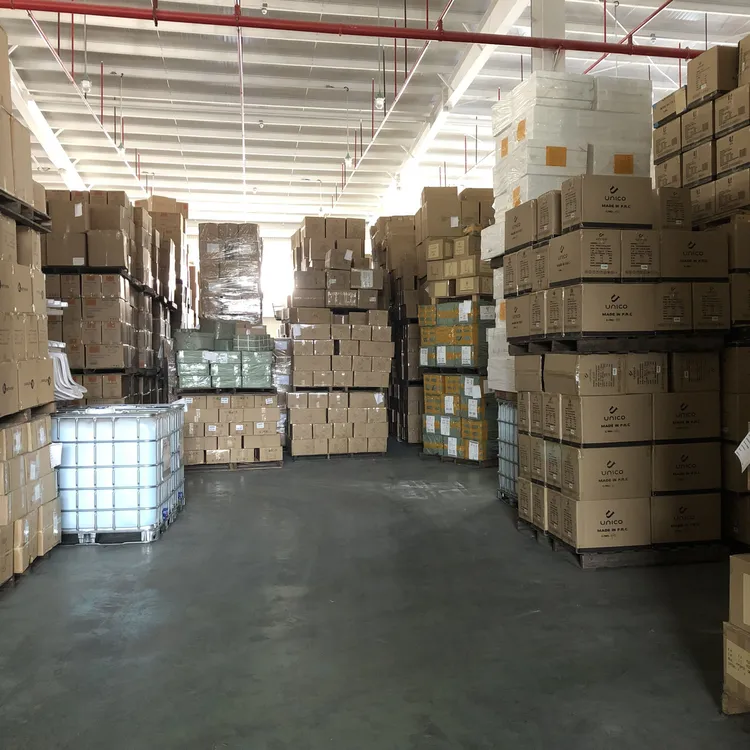
- “Can I see the container stuffing video?” (A seasoned forwarder has a warehouse CCTV system).
- “Do you provide a digital dashboard or just email updates?” (Digital platforms reduce human error).
- “How often is the tracking data updated?” (Should be real-time or every few hours).
5. Technology + Experience = Trust
The best 15-year-old forwarders aren’t stuck in the past. They combine their deep industry knowledge with AI-driven logistics platforms. They use predictive analytics to warn you of port congestion before it happens and blockchain-like ledgers to ensure your documentation is tamper-proof.
Conclusion
Choosing an LCL forwarder based solely on price is a gamble. To avoid the pitfalls of hidden fees, lost cargo, and endless delays, you need a partner with proven longevity and radical transparency.
Stop chasing the cheapest quote. Partner with a logistics veteran who has survived the test of time and provides the real-time visibility your business demands.