

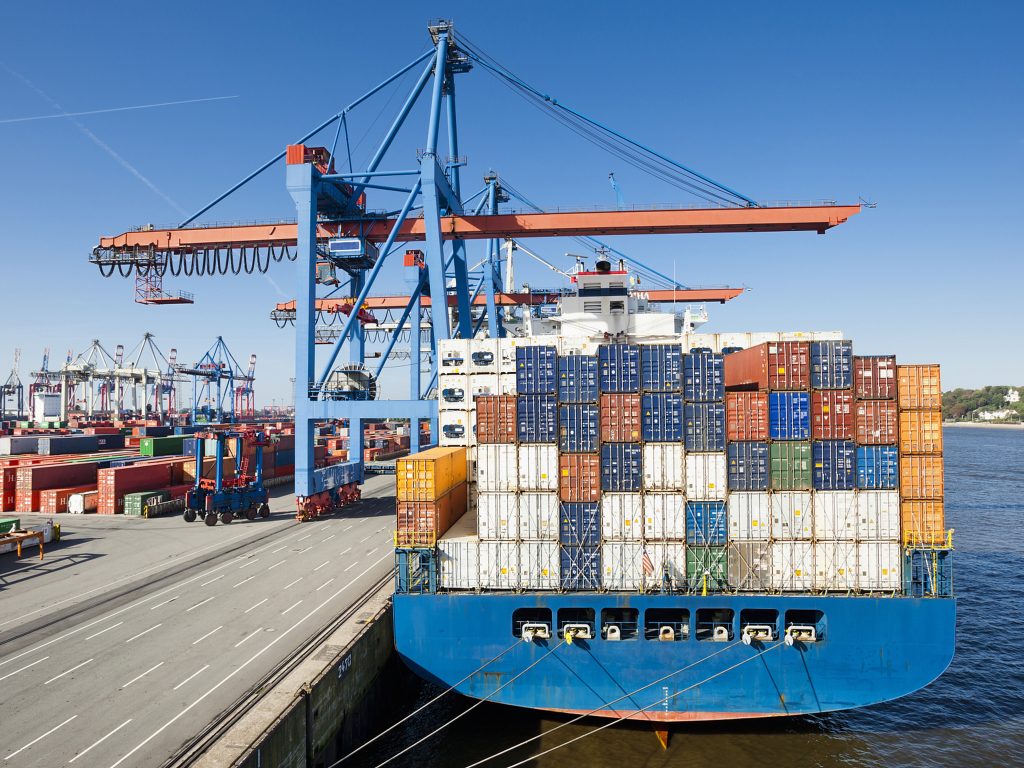
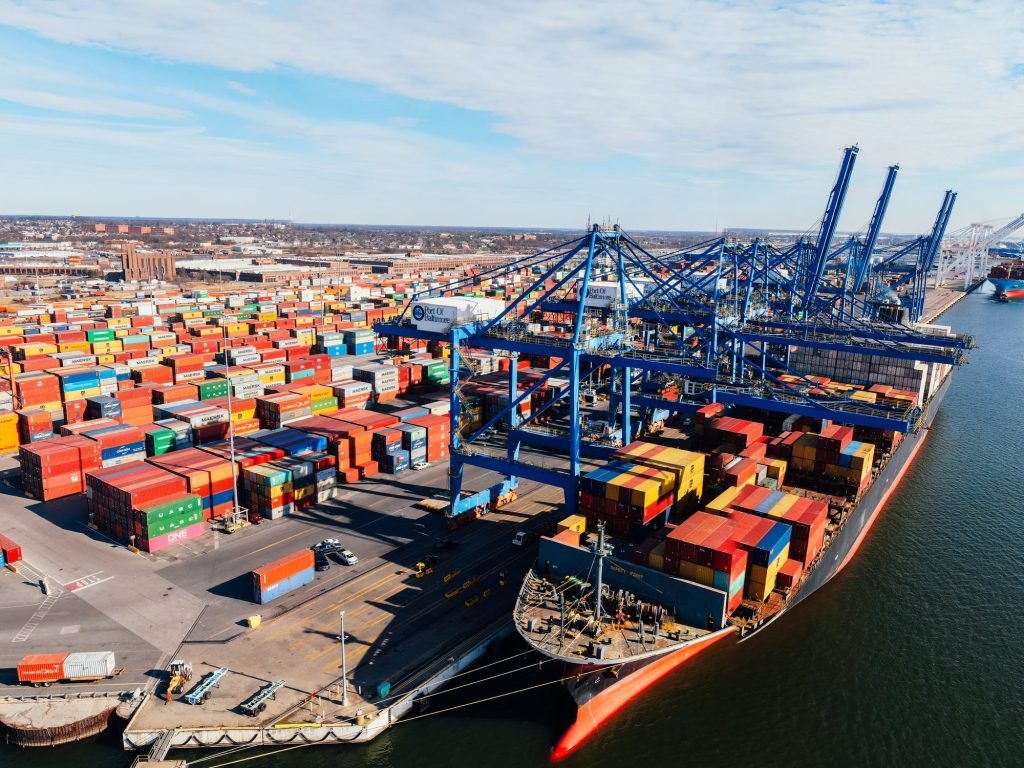
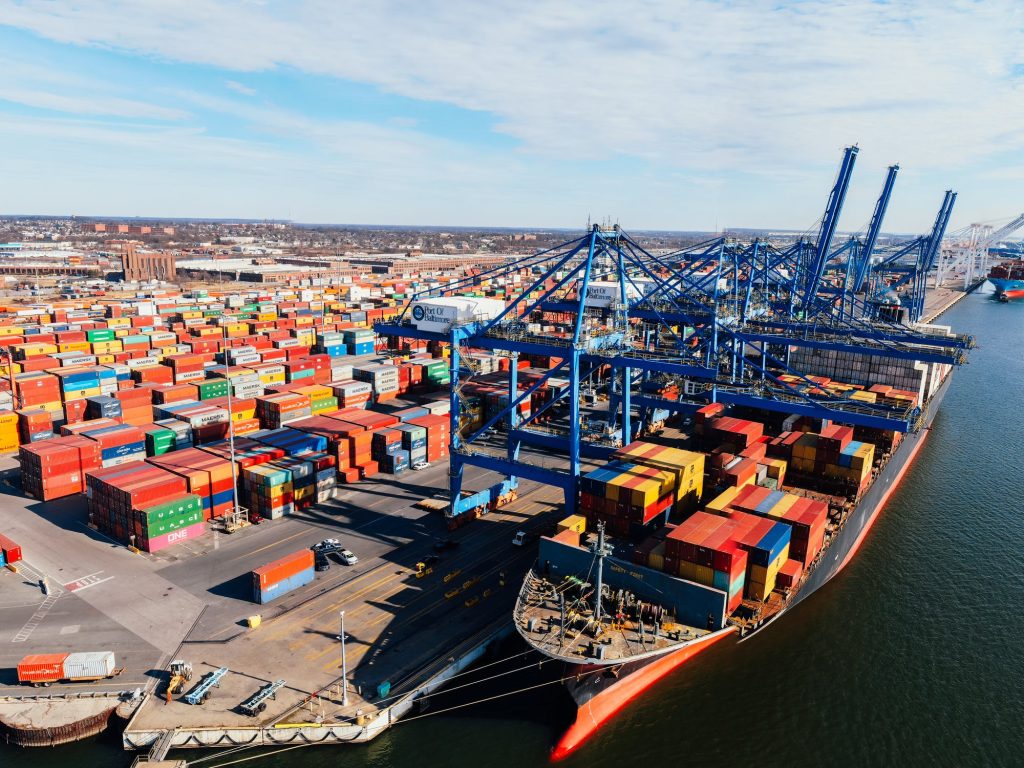
For importers, the math is simple: lower shipping costs = higher profit margins. But in the world of China freight, “cheap” often comes with strings attached—hidden fees, delayed sailings, or worse, lost cargo. As a Shanghai and Ningbo-based shipping agent with 10+ years of experience, we’ve built a reputation for something rare: genuinely affordable rates without cutting corners. Our secret? Deep roots in China’s busiest ports, long-term carrier relationships, and a knack for optimizing every link in the supply chain.
Why Shanghai & Ningbo? The Twin Engines of Low-Cost Sea Freight
Shanghai and Ningbo aren’t just China’s top two container ports—they’re the most cost-effective gateways for most importers. Here’s why:
- Shanghai Port (Yangshan Deep-Water Port): Handles 47 million TEUs annually (2023 data), making it the world’s largest. Its scale means carriers compete fiercely for space, driving down base rates. It’s ideal for:
- Heavy/bulky goods (e.g., machinery, furniture) from Jiangsu/Zhejiang factories.
- Time-sensitive shipments to North America/Europe (direct vessels to LA, Rotterdam).
- Ningbo-Zhoushan Port: Just 200 km south of Shanghai, it’s the world’s third-busiest port by tonnage. Key advantages:
- Lower congestion: Fewer delays during peak season (vs. Shanghai’s 15–20% port stay time).
- Cost savings for Zhejiang suppliers: Factories in Yiwu, Wenzhou, and Taizhou save 50–100/container in trucking fees.
A 2023 study by Drewry Shipping Consultants found that Shanghai/Ningbo-based shipments to the U.S. West Coast are, on average, 12% cheaper than those from Shenzhen—largely due to shorter overland transport distances.
How We Keep Sea Freight Costs Low (Without Compromising Quality)
Being “affordable” isn’t about slashing prices—it’s about eliminating waste. Here’s our playbook:
1. Carrier Partnerships Built on Volume
We move 200+ containers monthly, giving us leverage to negotiate annual contracts with Maersk, MSC, CMA CGM, and Hapag-Lloyd. These deals lock in rates 15–25% below spot market prices—even during peak season (August–October for U.S. imports, November–December for Europe).
Example: A U.S. hardware store chain books 4 FCLs (40HQ) monthly from Shanghai to Los Angeles. By joining our “volume shipper program,” they secured a rate of 1,800/container—400 less than the public rate. Over a year, that’s $19,200 saved.
2. LCL Consolidation: Sharing Space, Splitting Costs
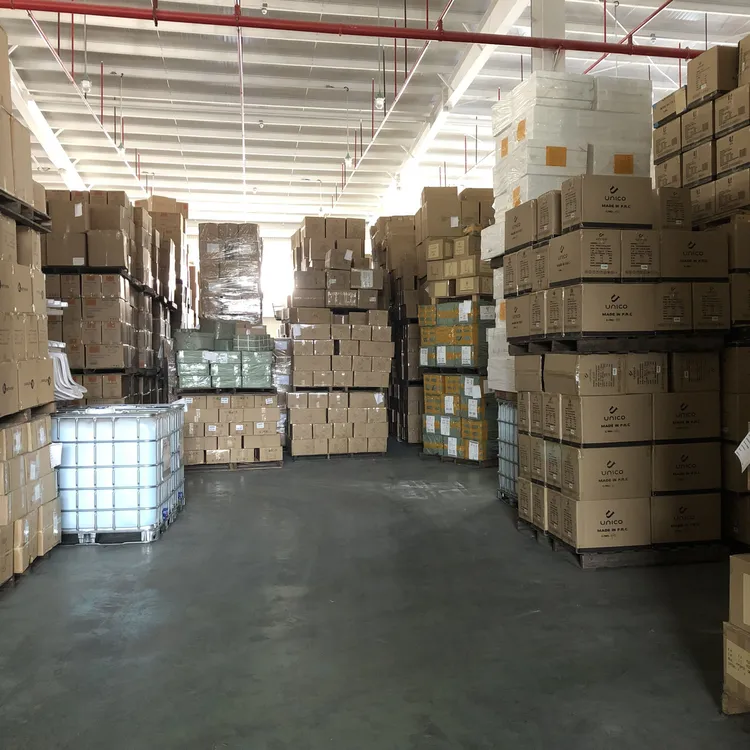
If your shipment is under 15 cubic meters (about half a 40HQ), LCL (Less than Container Load) consolidation is your cheapest option. Our Shanghai/Ningbo warehouses operate 24/7 sorting hubs, grouping cargo by destination (e.g., “Chicago-bound auto parts” or “Hamburg-bound textiles”).
Key perk? We dispatch LCL loads twice weekly (vs. competitors’ once-a-week schedules), cutting transit time by 5–7 days. For a small importer ordering 3 cubic meters of LED lights, that means getting stock 2 weeks earlier—enough to capitalize on a seasonal trend.
3. Trucking Optimization: Cutting “Last-Mile” Waste
Many agents add 100–200/container in hidden trucking fees by using subpar carriers. We own a fleet of 20+ 40ft trucks and partner with 3 licensed logistics firms, ensuring:
- Fixed rates: No surge pricing during port strikes or bad weather.
- Real-time tracking: You see your container’s location from factory to port gate.
- Damage control: All trucks have air-ride suspension to protect fragile goods.
Client Testimonial: “My previous agent charged 280 to truck a container from Suzhou to Shanghai. You guys quoted 190—same day pickup, no damage. That’s $90 I can put toward marketing,” says Raj, an Indian textile importer.
Avoiding “Too Good to Be True” Traps: What Cheap Agents Don’t Tell You
Beware of forwarders advertising “rock-bottom rates” that hide:
- Bunker Adjustment Factor (BAF): Fuel surcharges added post-booking (we include BAF in our initial quote).
- Port Congestion Fees: Charged if your container sits at the port >3 days (we monitor schedules to avoid this).
- Documentation Errors: A single typo on the bill of lading can delay clearance for weeks—we triple-check all paperwork.
Our transparency policy: Every quote breaks down costs (ocean freight, THC, documentation, trucking). No surprises.
Case Study: How We Saved a Startup $12,000 in Year One
Lena, founder of a U.S.-based pet toy brand, started with 2 LCL shipments/month from Ningbo. Her first agent charged $350/cbm (cubic meter) with a 3-week lead time. We matched the rate but cut lead time to 10 days by prioritizing her cargo in our consolidation schedule.
By year two, Lena scaled to 1 FCL/month. Our volume discount lowered her rate to 1,600/container—500 less than her old agent. Total savings: $12,000. “I reinvested that into Amazon ads,” she says. “Now I’m profitable.”
Who Should Choose Us?
- SMEs Testing New Products: Low minimums (0.5 cbm for LCL) let you validate demand without overcommitting.
- High-Volume Buyers: Annual contracts with carriers ensure consistent rates, even when markets spike.
- Budget-Conscious Entrepreneurs: Every dollar saved on shipping is a dollar closer to profitability.
Let’s Talk Savings
Ready to slash your sea freight costs without sacrificing reliability? Contact us today for a free, no-obligation quote. Share details like origin city, cargo type, and monthly volume—we’ll show you exactly how much you can save.
P.S. First-time clients get a 5% discount on their initial shipment. Just mention this article when booking.