


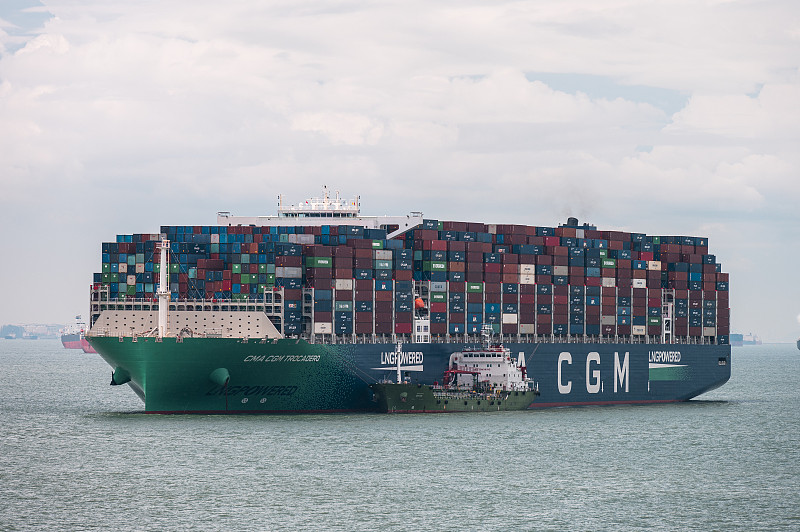
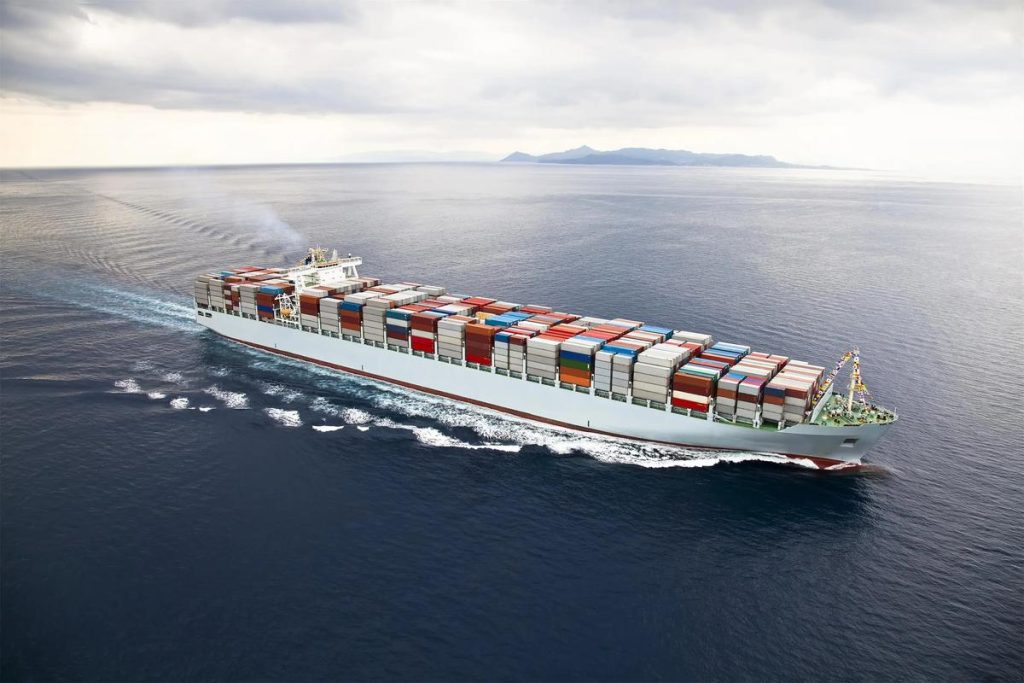
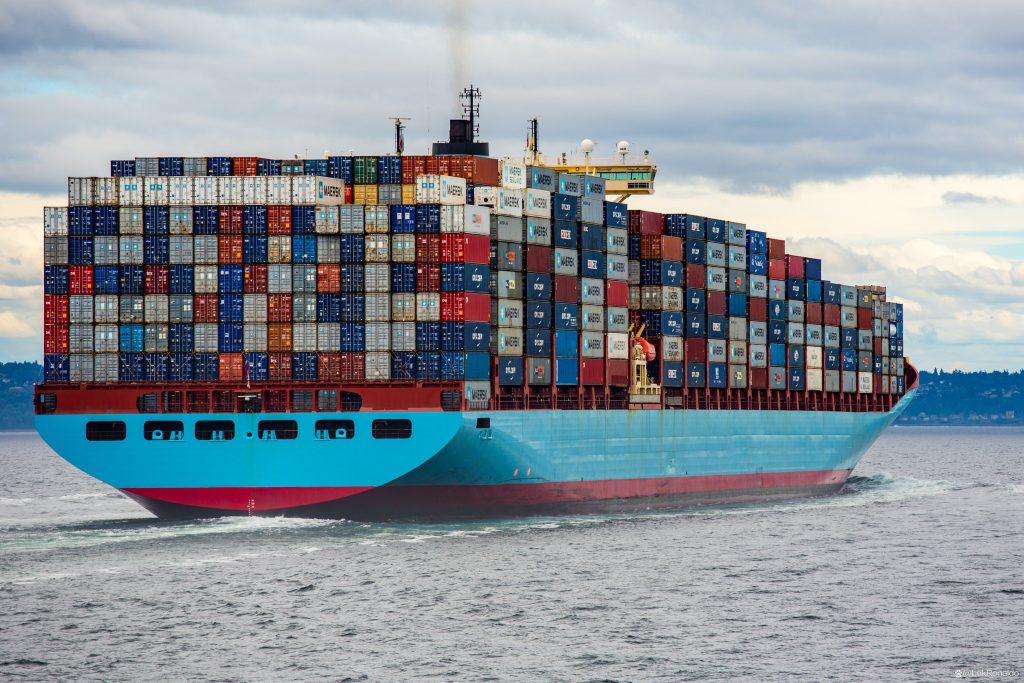
The Port of Singapore is one of the busiest and most advanced container ports in the world. Strategically located at the crossroads of major East–West shipping routes, it plays a crucial role in global trade between Asia, Europe, the Middle East, and Africa. For importers who rely on LCL (Less than Container Load) shipping from China, Singapore serves as a highly efficient, reliable, and flexible gateway.
In this guide, we will explore everything you need to know about LCL shipping from China to the Port of Singapore, including transit time, costs, documentation, customs clearance, common cargo types, and how to optimize your logistics strategy.
1. Why Choose LCL Shipping to Singapore?
LCL shipping is ideal for small and medium-sized importers who do not have enough cargo to fill an entire container. Instead of paying for a full container, you only pay for the space your goods occupy.
Key advantages of LCL shipping to Singapore include:
- Lower upfront shipping cost
- Flexible shipment volume
- High-frequency sailings
- Strong global connectivity
- Advanced port infrastructure
- Efficient customs procedures
Because Singapore handles millions of TEUs annually, it offers stable schedules, fast transshipment, and strong reliability.
2. Major Chinese Ports Offering LCL Services to Singapore
LCL shipments to Singapore can be arranged from almost all major Chinese ports, including:
- Shanghai
- Ningbo
- Shenzhen
- Guangzhou
- Xiamen
- Qingdao
- Tianjin
- Dalian
These ports provide weekly or even daily LCL consolidation services to Singapore, making it easy to ship at any time.
3. Transit Time from China to Singapore (LCL)
Transit time varies depending on the departure port, carrier, and consolidation schedule.
| Departure Port | Estimated Transit Time (LCL) |
|---|---|
| Shanghai | 7–10 days |
| Ningbo | 7–10 days |
| Shenzhen | 5–8 days |
| Guangzhou | 5–8 days |
| Qingdao | 10–14 days |
| Tianjin | 12–16 days |
LCL shipments may take slightly longer than FCL due to consolidation and deconsolidation processes.
4. Typical LCL Shipping Costs to Singapore
LCL shipping costs are usually calculated based on CBM (cubic meter) or weight (whichever is higher).
Common cost components include:
- Origin handling charges
- Consolidation fee
- Ocean freight
- Destination handling charges
- Deconsolidation fee
- Customs clearance (if needed)
- Delivery (optional)
Although LCL may be more expensive per CBM than FCL, it remains the best solution for smaller shipments.
5. Common Goods Shipped via LCL to Singapore
Singapore imports a wide range of products from China. Popular LCL cargo includes:
- Consumer electronics
- Home appliances
- Fashion accessories
- Furniture
- Hardware tools
- LED lighting
- Auto parts
- Packaging materials
- Promotional items
- E-commerce parcels
Because Singapore is also a major re-export hub, many of these goods are forwarded to Malaysia, Indonesia, Australia, and the Middle East.
6. Documentation Required for LCL Shipping
To ensure smooth customs clearance, the following documents are usually required:
- Commercial Invoice
- Packing List
- Bill of Lading (HBL/MBL)
- Certificate of Origin (if applicable)
- Import Permit (for restricted goods)
Singapore is known for its transparent and efficient customs system, making clearance faster than in many other countries.
7. Customs Clearance in Singapore
Singapore Customs is highly digitalized and efficient. Many shipments can be cleared within 1–2 working days if documents are correct.
Key advantages include:
- Low import duties on most products
- Strong anti-corruption standards
- Predictable regulations
- Fast inspection process
However, certain goods such as food, cosmetics, medical devices, and electronics may require additional licenses.
8. Warehousing and Distribution in Singapore
Singapore is a logistics powerhouse. After LCL cargo arrives, importers can choose:
- Short-term bonded warehousing
- Long-term storage
- Repacking and labeling
- Cross-docking
- Re-export services
- Last-mile delivery
This makes Singapore an excellent distribution hub for Southeast Asia.
9. LCL vs FCL: Which Is Better for Singapore?
| Feature | LCL | FCL |
|---|---|---|
| Cost | Lower for small shipments | Better for large volumes |
| Flexibility | High | Moderate |
| Transit Time | Slightly longer | Faster |
| Risk of Damage | Slightly higher | Lower |
| Customs Speed | Fast | Fast |
If your cargo is under 15 CBM, LCL is usually the best option.
10. How to Reduce LCL Shipping Costs
Here are practical ways to save money:
- Avoid peak seasons (July–September)
- Optimize packaging size
- Ship from the nearest Chinese port
- Use experienced consolidators
- Ensure accurate documentation
- Combine multiple suppliers into one LCL shipment
11. Why Singapore Is a Strategic LCL Hub
Singapore is not just a destination—it is a global transshipment center. Many importers ship goods here and then forward them to:
- Malaysia
- Indonesia
- Thailand
- Vietnam
- Australia
- UAE
- India
This makes it ideal for regional distribution.
12. Final Thoughts
LCL shipping from China to the Port of Singapore is one of the most efficient and cost-effective logistics solutions for global traders. With world-class port infrastructure, fast customs clearance, and excellent regional connectivity, Singapore remains a top choice for importers of all sizes.
Whether you are a startup, an e-commerce seller, or a regional distributor, LCL shipping to Singapore gives you flexibility, speed, and reliability.