

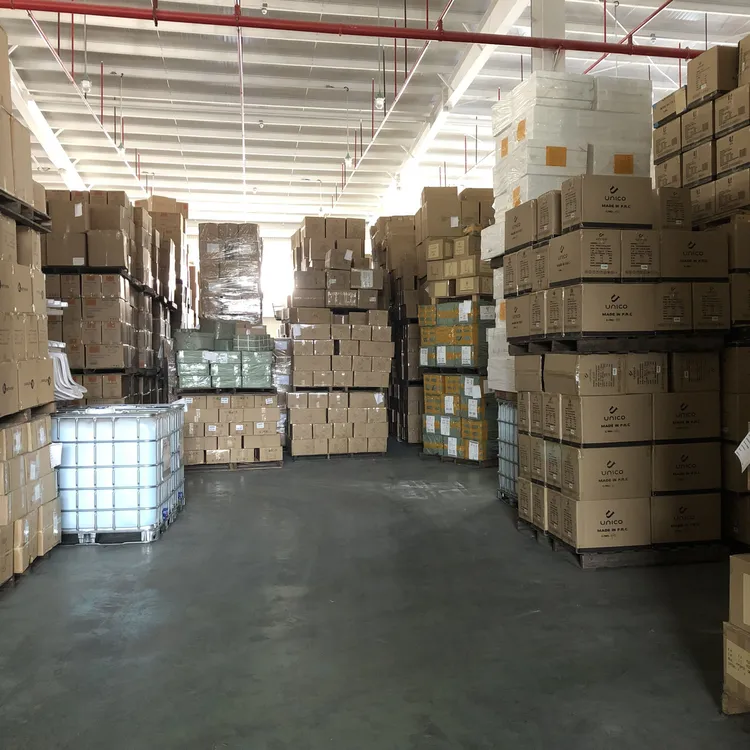
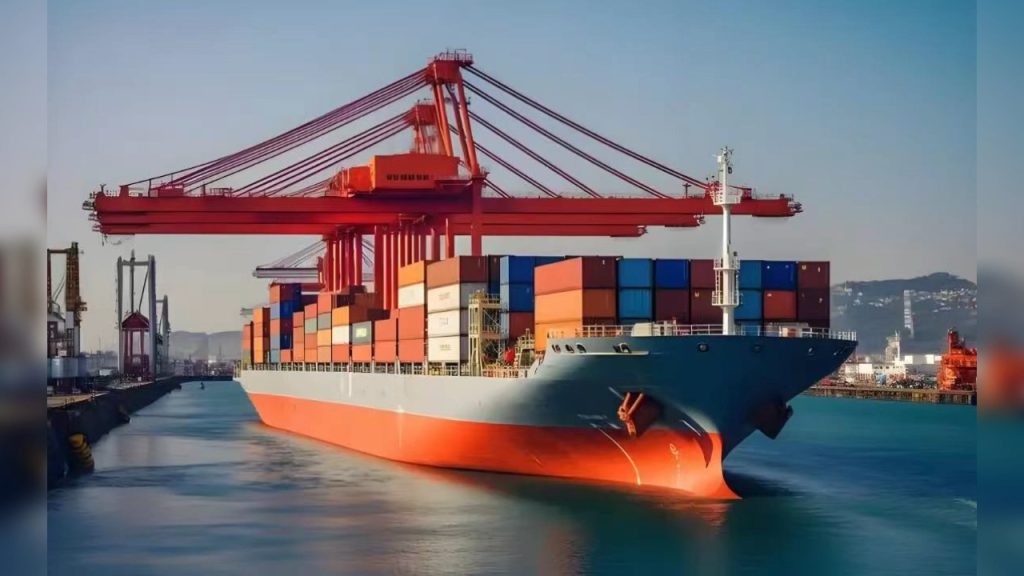
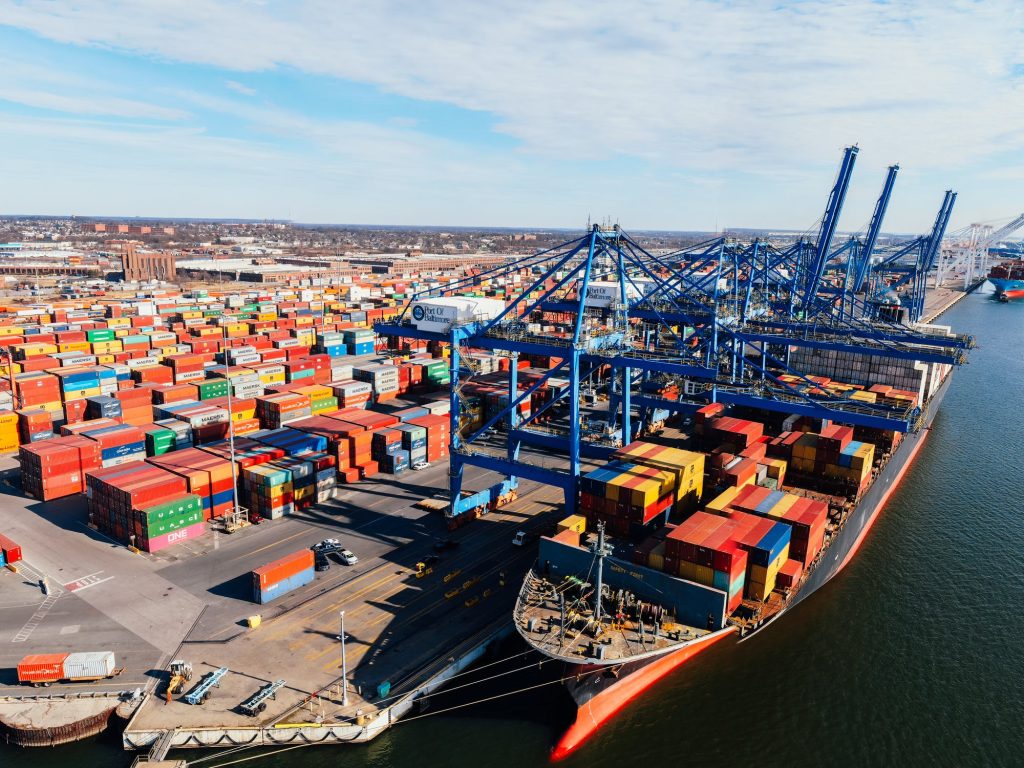
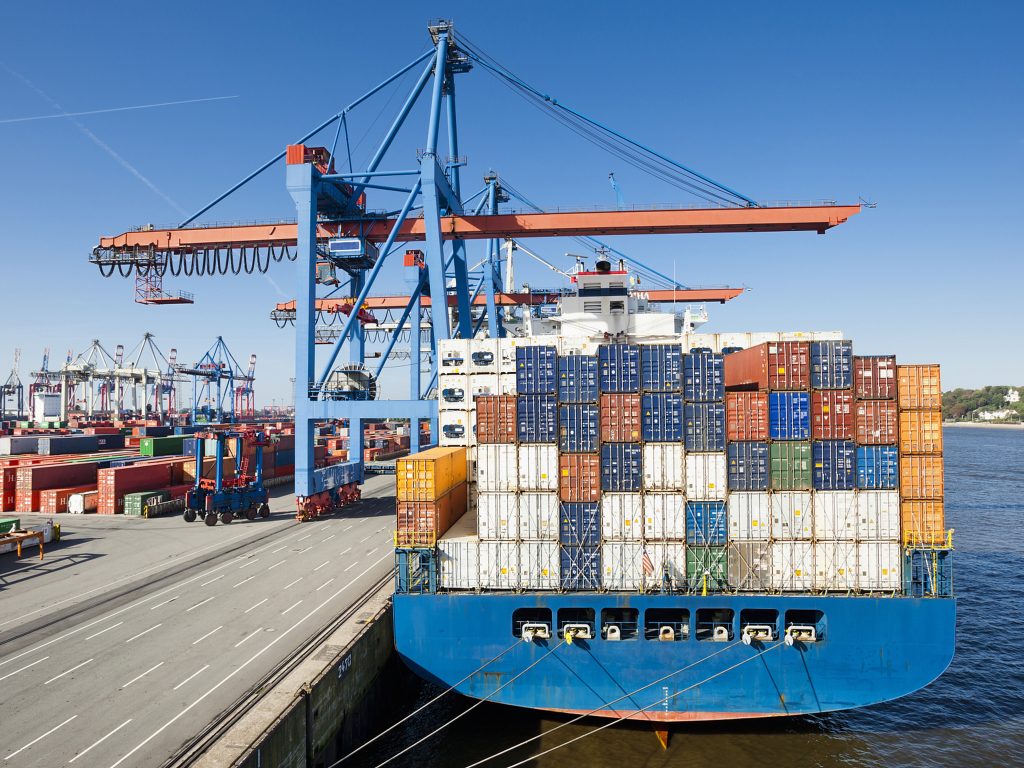
Shipping goods from China is a key part of global trade, yet for many international buyers it remains confusing and stressful. While China offers competitive manufacturing and vast product choices, the logistics process often feels overwhelming—especially for importers who lack local experience.
Questions about shipping methods, costs, customs clearance, documents, and delivery timelines can quickly pile up. A small mistake at any step can result in delays, extra charges, or even cargo being held by customs.
This practical guide breaks down the entire process of shipping from China in a clear, step-by-step way. Whether you are a first-time importer or a growing business looking to streamline logistics, this article explains how freight forwarding makes shipping from China simple, predictable, and manageable.
Why Shipping from China Feels Complicated
At first glance, international shipping looks straightforward: goods are produced, loaded, shipped, and delivered. In reality, shipping from China involves multiple layers of coordination.
Some of the most common challenges importers face include:
- Communication gaps with factories
- Unclear shipping responsibilities under Incoterms
- Complex export and import documentation
- Constantly changing freight rates
- Port congestion and schedule delays
- Customs inspections and compliance issues
Without a clear system in place, these issues can slow down supply chains and increase costs.
The Role of Freight Forwarding in Simplifying Shipping
Freight forwarding is what turns a complex logistics process into a manageable workflow. A freight forwarder coordinates all parties involved in moving goods from China to the destination country.
Instead of dealing with factories, trucking companies, shipping lines, customs brokers, and warehouses separately, importers work with one logistics partner who oversees the entire shipment.
A professional freight forwarder simplifies shipping by:
- Planning the most suitable transport method
- Handling export procedures in China
- Coordinating international transportation
- Supporting import customs clearance
- Managing final delivery
This centralized approach reduces confusion and improves efficiency.
Step 1: Preparing Goods for Shipment in China
Shipping begins long before goods leave China. Proper preparation is essential to avoid delays later.
Confirm Product Details
Before booking shipping, importers should confirm:
- Product description
- HS code (if available)
- Quantity and packaging
- Gross and net weight
- Dimensions
Accurate information ensures correct documentation and cost calculations.
Confirm Incoterms with the Supplier
Incoterms define who is responsible for shipping costs and risks. Common options include EXW, FOB, CIF, and DDP.
Many experienced importers prefer FOB, as it gives them more control while still relying on the supplier to deliver goods to the port.
Step 2: Choosing the Right Shipping Method
One of the most important decisions is selecting the shipping method. The best option depends on cargo size, budget, and delivery urgency.
Sea Freight from China
Sea freight is the most economical option for large or heavy shipments.
Best suited for:
- Furniture
- Machinery
- Building materials
- Bulk consumer goods
Sea freight offers FCL (full container) and LCL (shared container) options.
Air Freight from China
Air freight is ideal when speed is critical.
Common use cases include:
- High-value products
- Time-sensitive orders
- Samples and urgent restocking
While more expensive, air freight reduces transit time significantly.
Rail Freight from China
Rail freight provides a balance between speed and cost, particularly for shipments to Europe.
It is faster than sea freight and more affordable than air freight for mid-sized cargo.
Step 3: Booking Freight and Cargo Pickup
Once the shipping method is selected, the freight forwarder books space with carriers and arranges cargo pickup.
This stage includes:
- Scheduling trucks to collect goods from the factory
- Delivering cargo to a port, airport, or rail terminal
- Consolidating shipments if multiple suppliers are involved
Proper coordination at this step prevents missed cut-off times and storage fees.
Step 4: Export Documentation and Customs Clearance in China
Export customs clearance is a mandatory step for all goods leaving China.
Key documents typically include:
- Commercial invoice
- Packing list
- Export customs declaration
- Shipping instructions
Freight forwarders ensure documents are accurate and compliant with Chinese regulations. Errors at this stage can cause inspections or delays.
Step 5: International Transportation and Shipment Tracking
Once customs clearance is complete, goods move to international transportation.
During this phase, the freight forwarder:
- Confirms departure schedules
- Issues transport documents such as the bill of lading or air waybill
- Monitors shipment progress
- Updates the importer on delays or changes
Regular communication gives importers better visibility and control.
Step 6: Import Customs Clearance at Destination
Import customs clearance is often the most stressful part for overseas buyers, especially when regulations vary by country.
Freight forwarders assist by:
- Preparing import documents
- Coordinating with customs brokers
- Estimating duties and taxes
- Responding to customs inquiries
Efficient clearance reduces storage charges and delivery delays.
Step 7: Final Delivery and Door-to-Door Shipping
After customs clearance, goods are delivered to the final destination.
This may include:
- Port-to-warehouse delivery
- Airport-to-distribution center transport
- Door-to-door delivery services
Door-to-door shipping is especially popular with small and mid-sized importers who want a simplified process.
Understanding the True Cost of Shipping from China
Shipping costs involve more than just freight rates. Importers should understand all cost components.
Common cost elements include:
- Freight charges
- Origin handling fees
- Export clearance costs
- Destination handling fees
- Import duties and taxes
- Local delivery charges
Transparent freight forwarders explain each cost clearly before shipment begins.
Common Shipping Mistakes and How to Avoid Them
Incomplete Information
Missing or incorrect cargo details lead to inaccurate quotes and customs issues.
Poor Timing
Last-minute bookings often result in higher costs and limited space availability.
Choosing Price Over Reliability
The cheapest option may cause delays or hidden fees later.
Ignoring Insurance
Cargo insurance protects against unexpected losses during transit.
Shipping from China for Different Types of Importers
First-Time Importers
Freight forwarders provide guidance, documentation support, and clear explanations to help new buyers avoid costly mistakes.
Growing Businesses
As volumes increase, forwarders help optimize routes, consolidate shipments, and reduce per-unit shipping costs.
E-commerce Sellers
Specialized services support fulfillment centers, labeling, and compliance with platform requirements.
How Freight Forwarding Makes Shipping Predictable
The biggest advantage of freight forwarding is predictability. Instead of reacting to problems, importers follow a structured process.
Freight forwarders:
- Anticipate risks
- Prepare backup plans
- Communicate proactively
- Resolve issues efficiently
This turns shipping from a source of stress into a routine business operation.
Tips for Smoother Shipping from China
- Share accurate information early
- Plan shipments in advance
- Keep documents organized
- Maintain clear communication
- Build long-term relationships with logistics partners
Small improvements at each step add up to significant savings and smoother operations.
Conclusion: Making Shipping from China Simple and Scalable
Shipping from China does not have to be complicated. With the right approach and professional freight forwarding support, importers can move goods efficiently, control costs, and reduce risk.
By understanding each stage of the shipping process and working closely with experienced logistics partners, businesses of all sizes can turn China sourcing into a reliable and scalable supply chain.
A simple shipping process is not about cutting corners—it is about having the right structure, expertise, and planning in place.