

Importing goods from China can be an exciting step for any business, but for first-time importers it often feels confusing and risky. Many new buyers focus heavily on product price and supplier selection, only to realize later that shipping and logistics can be just as important—and sometimes more complicated.
Freight forwarding is the system that connects Chinese factories with overseas markets. Understanding how it works from the beginning helps first-time importers avoid costly mistakes, delays, and unnecessary stress.
This guide explains China freight forwarding in simple terms, specifically for first-time importers who want clarity, control, and confidence when shipping from China.
Why First-Time Importers Struggle with Shipping from China
New importers often assume shipping works the same way as domestic delivery. In reality, international freight involves multiple countries, regulations, documents, and service providers.
Common challenges for first-time importers include:
- Not knowing who is responsible for shipping
- Confusion about Incoterms such as EXW or FOB
- Unexpected fees at destination ports
- Customs delays caused by incorrect paperwork
- Poor communication between suppliers and logistics providers
Without a clear understanding of freight forwarding, these issues can quickly become expensive lessons.
What Is Freight Forwarding in Simple Terms?
Freight forwarding is the process of organizing and managing the transportation of goods from one country to another.
A China freight forwarder acts as a logistics coordinator who:
- Plans how goods will be shipped
- Books space with carriers
- Handles export procedures in China
- Supports import customs clearance
- Arranges final delivery
For first-time importers, the freight forwarder becomes a guide through an unfamiliar system.
The First Decision: Who Controls the Shipping?
One of the earliest and most important decisions is choosing who controls the shipping process.
Supplier-Controlled Shipping
Some suppliers offer to arrange shipping themselves. While this may seem convenient, first-time importers often face limited transparency and higher destination charges.
Importer-Controlled Shipping
By working directly with a freight forwarder, importers gain better visibility, clearer pricing, and more control over delivery timelines.
Many experienced buyers recommend importer-controlled shipping once basic knowledge is in place.
Understanding Common Shipping Terms for Beginners
First-time importers should become familiar with a few essential terms.
Incoterms
Incoterms define responsibility for shipping costs and risks. Common options include:
- EXW: Buyer handles everything from the factory
- FOB: Seller delivers goods to the port
- CIF: Seller includes freight to destination port
- DDP: Goods delivered with duties paid
FOB is often a balanced choice for beginners.
FCL vs LCL
- FCL (Full Container Load): One importer uses the entire container
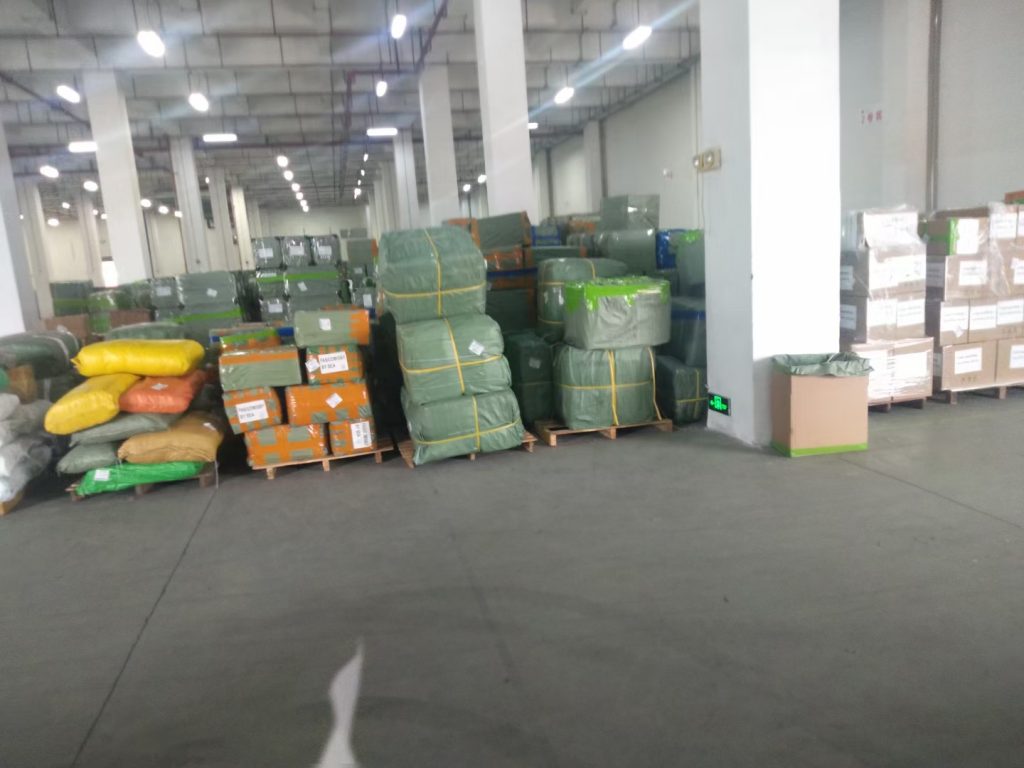
- LCL (Less than Container Load): Multiple shipments share a container
LCL is common for first-time importers with smaller volumes.
Choosing the Right Shipping Method from China
Freight forwarders help beginners choose the most suitable transport method based on budget and urgency.
Sea Freight
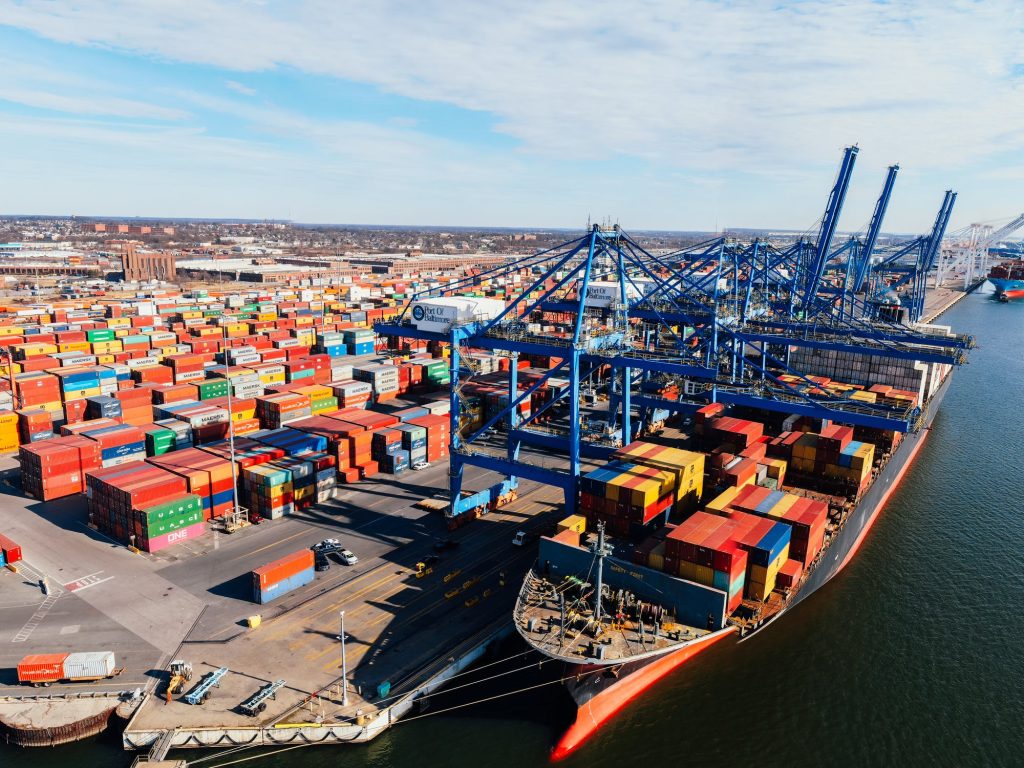
Best for large, heavy, or non-urgent shipments. It offers the lowest cost per unit but longer transit times.
Air Freight
Ideal for small, high-value, or urgent cargo. Faster but more expensive.
Rail Freight
Often used for shipments between China and Europe, offering a balance between speed and cost.
Step-by-Step: How Freight Forwarding Works for Beginners
Step 1: Share Cargo Information
The freight forwarder needs accurate details:
- Product type
- Quantity
- Weight and dimensions
- Destination address
Accurate information ensures correct quotes and documents.
Step 2: Receive a Shipping Quote
The forwarder provides options showing:
- Shipping method
- Estimated transit time
- Cost breakdown
Beginners should ask questions and confirm what is included.
Step 3: Cargo Pickup from the Factory
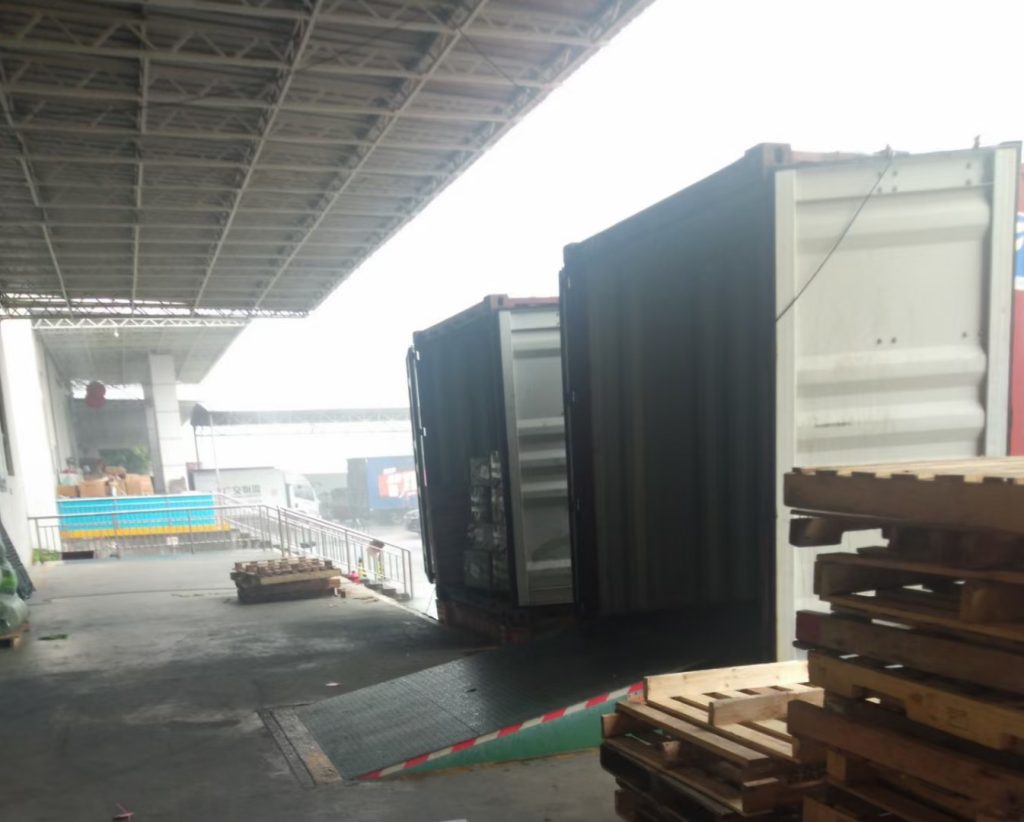
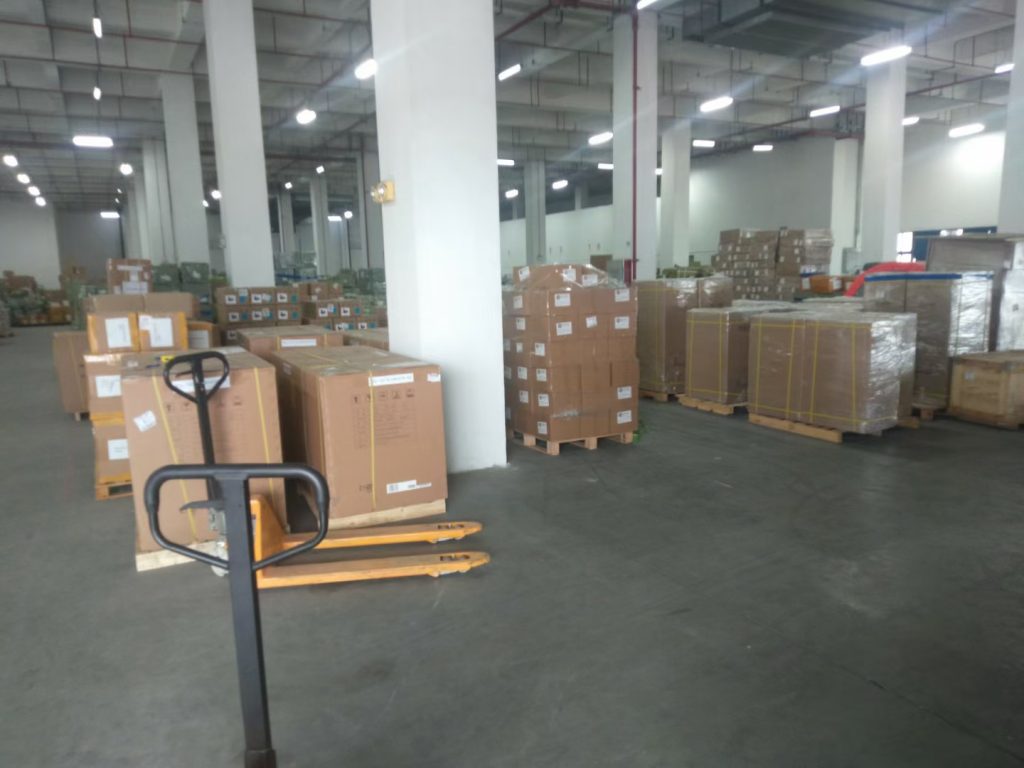
Once confirmed, the forwarder arranges pickup and transport to the port, airport, or warehouse.
This step is critical, as missing cut-off times can cause delays and extra fees.
Step 4: Export Customs Clearance in China
Export clearance is mandatory. The forwarder prepares documents and submits declarations to Chinese customs.
Beginners benefit greatly from professional handling at this stage.
Step 5: International Transportation
Goods are shipped overseas. The freight forwarder monitors the shipment and provides updates.
Step 6: Import Customs Clearance
At destination, customs clearance must be completed before delivery.
Freight forwarders help coordinate with local customs brokers and explain duty and tax requirements.
Step 7: Final Delivery
After clearance, cargo is delivered to the importer’s warehouse, office, or fulfillment center.
Common Mistakes First-Time Importers Should Avoid
Focusing Only on Product Price
Low product costs mean little if shipping is inefficient or expensive.
Providing Incomplete Information
Small inaccuracies can lead to customs delays and additional charges.
Not Understanding Destination Charges
Port fees, handling charges, and local delivery costs can surprise beginners.
Skipping Cargo Insurance
Insurance is optional but strongly recommended for first-time shipments.
How Freight Forwarders Help Reduce Risk for Beginners
Freight forwarders protect first-time importers by:
- Explaining processes in clear language
- Identifying potential compliance issues
- Planning realistic transit times
- Solving problems when delays occur
This support allows beginners to focus on sales and product development rather than logistics stress.
How Much Does Freight Forwarding Cost for Beginners?
There is no fixed price. Costs depend on:
- Shipment size
- Transport method
- Origin and destination
- Seasonality
A reliable freight forwarder explains costs upfront and helps beginners understand what they are paying for.
When First-Time Importers Should Ask for Help
Beginners should not hesitate to ask questions about:
- Documentation requirements
- Shipping timelines
- Cost breakdowns
- Customs processes
A good freight forwarder expects questions and provides guidance.
Building a Long-Term Logistics Strategy
First-time shipments are learning experiences. Over time, importers can:
- Optimize shipping routes
- Consolidate cargo
- Negotiate better rates
- Improve inventory planning
Freight forwarding becomes a strategic advantage rather than a challenge.
Conclusion: Freight Forwarding as a Foundation for Import Success
For first-time importers, freight forwarding is not just a service—it is a foundation for successful international trade.
By understanding how China freight forwarding works and partnering with experienced logistics professionals, beginners can reduce risk, control costs, and build confidence in their supply chains.
With the right knowledge and support, shipping from China becomes a repeatable, scalable process rather than an obstacle to growth.