

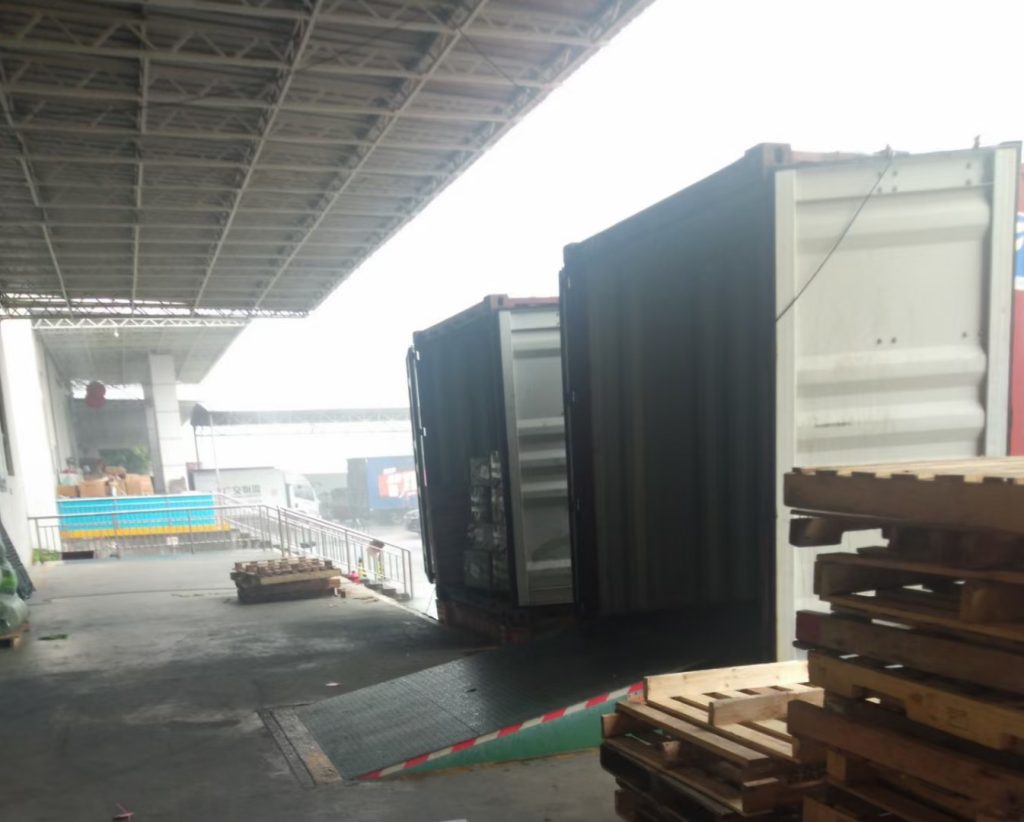
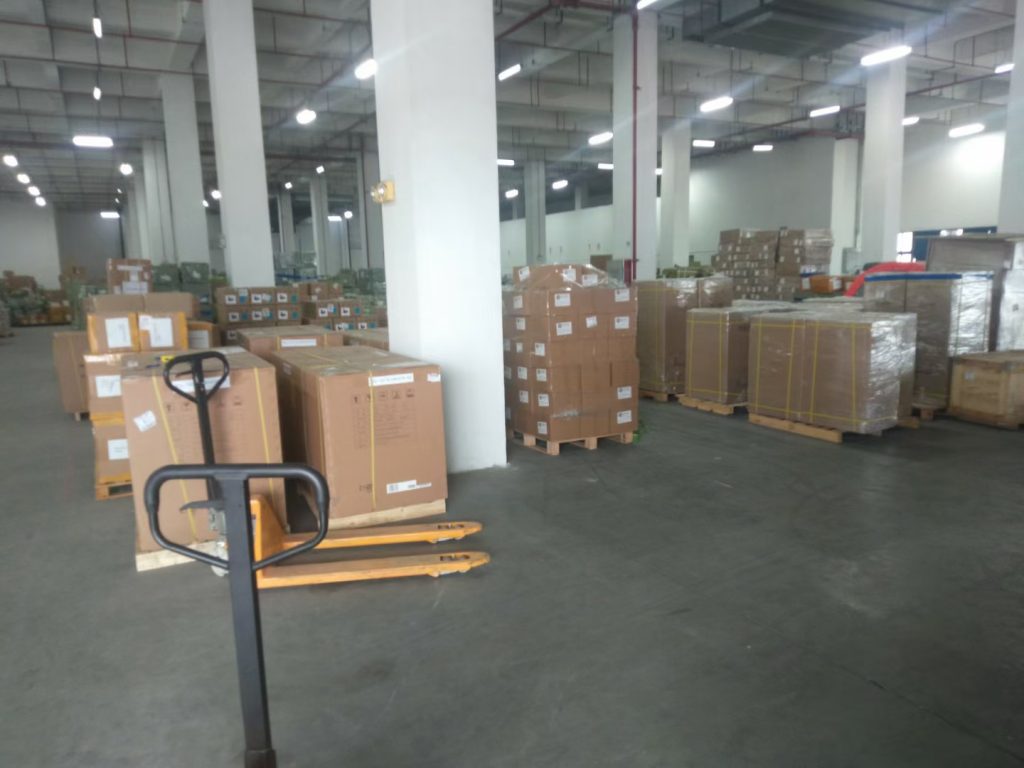
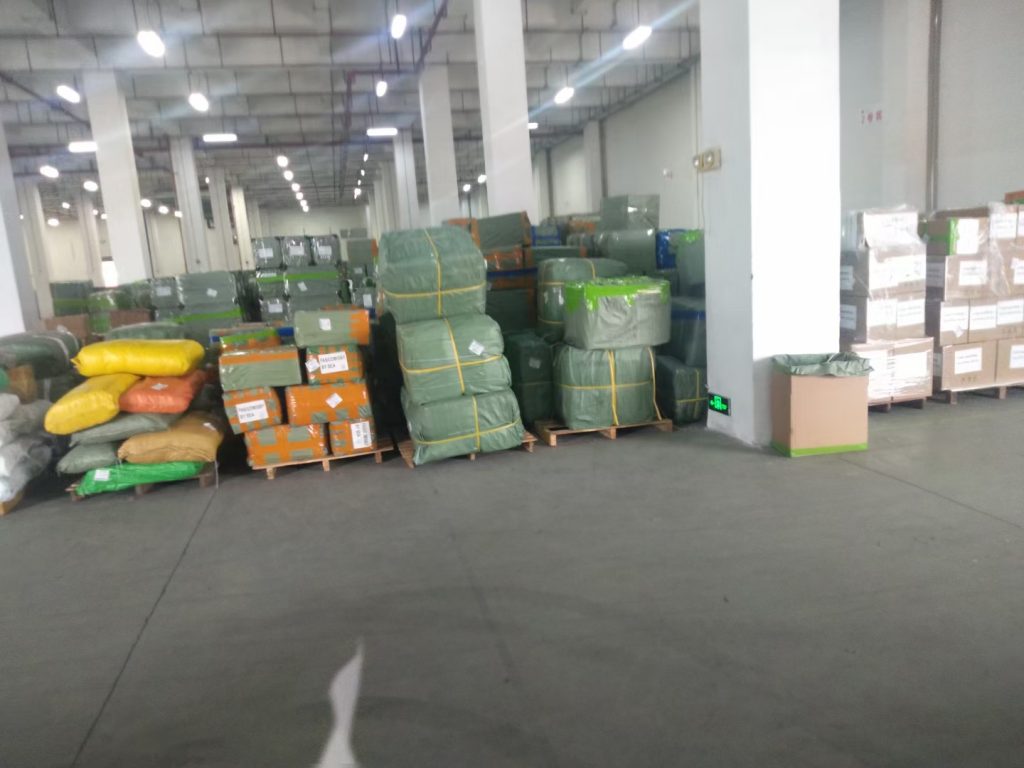
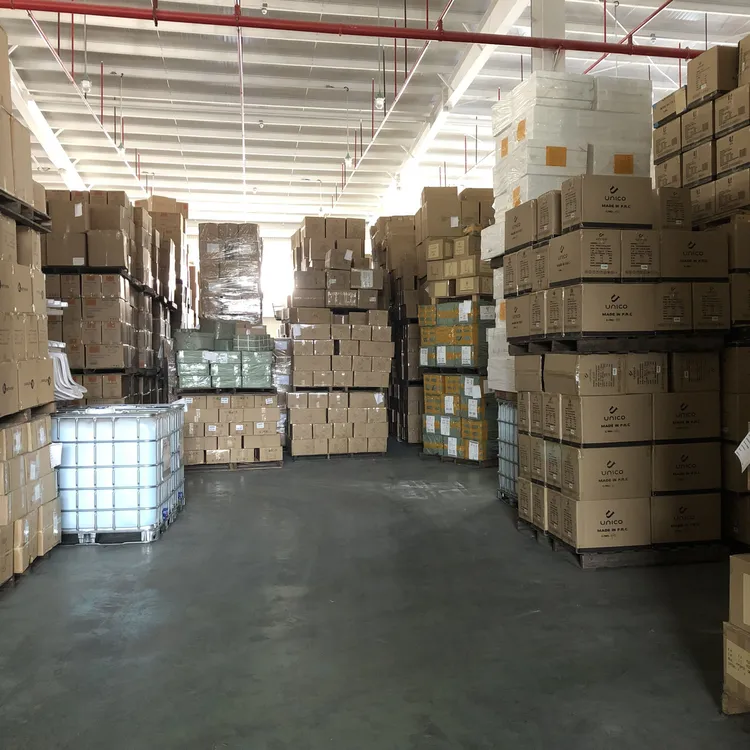
Temperature-Sensitive Cargo Shipping from China: Best Practices ❄️📦🚢
Shipping temperature-sensitive cargo, such as pharmaceuticals, perishable food, or chemicals, requires specialized logistics, monitoring, and planning. Proper handling ensures product integrity, regulatory compliance, and timely delivery. This guide covers best practices for shipping temperature-sensitive cargo from China.
1. Understanding Temperature-Sensitive Cargo Risks ⚠️❄️
Key challenges include:
- Temperature deviations causing spoilage 🌡️
- Damage due to improper packaging 🧩
- Delays leading to product expiration ⏱️
- Customs inspections and compliance requirements 🏛️
SEO Tip: Keywords like “cold chain shipping China” and “temperature-controlled freight” are naturally integrated.
2. Choosing the Right Shipping Method 🚢✈️❄️
Selecting the correct transport mode ensures temperature control and timely delivery:
| Shipping Mode | Temperature Control | Transit Time | Best Use | Icon |
|---|---|---|---|---|
| Refrigerated Sea Freight | Medium | 18–40 days | Bulk perishable food | 🚢 |
| Air Freight with Cold Chain | High | 3–7 days | Pharmaceuticals, sensitive goods | ✈️ |
| Express Courier with Cooling | Very High | 1–5 days | Small urgent parcels | 📬 |
| Reefer Containers | Very High | Variable | Large high-value perishable shipments | ❄️ |
Tip: Air freight or reefer containers are preferred for high-value, time-critical products.
3. Packaging for Temperature Control 📦❄️
Proper packaging maintains temperature stability and prevents damage:
- Insulated boxes with gel packs or dry ice ❄️
- Tamper-evident and durable cartons
- Temperature monitoring devices for real-time tracking 📡
- Clearly label fragile or perishable items 🏷️
| Packaging Material | Use Case | Icon |
|---|---|---|
| Insulated Boxes | Pharmaceuticals & perishable food | ❄️ |
| Gel Packs / Dry Ice | Maintain low temperature | 🧊 |
| Temperature Loggers | Monitor conditions in transit | 📡 |
| Tamper-Evident Seals | Prevent unauthorized access | 🔒 |
4. Cold Chain Management and Monitoring 💻📡
Real-time monitoring ensures product integrity:
- GPS-enabled containers for location tracking
- Temperature sensors with alerts ⚡
- Integration with warehouse management systems for storage oversight
- Automated notifications to logistics teams on deviations
SEO Tip: Keywords like “temperature-controlled logistics China” improve search ranking.
5. Customs Clearance for Sensitive Cargo 🏛️📄
Temperature-sensitive shipments require strict customs compliance:
- Accurate commercial invoices and packing lists 📝
- Correct HS codes for perishable items ⚖️
- Certificates of origin and health certificates 🌏
- Import permits for pharmaceuticals, chemicals, or food products 🔒
Tip: Pre-clearance can significantly reduce customs delays.
6. Risk Management and Insurance 🛡️💰
Temperature-sensitive cargo is highly susceptible to loss and spoilage:
- Comprehensive cargo insurance for damage, loss, or delays
- Coverage for temperature deviations ❄️
- Maintain proof of compliance and temperature logs for claims
| Risk Type | Recommended Coverage | Icon |
|---|---|---|
| Temperature deviation | Cold chain insurance | ❄️ |
| Theft | Full cargo insurance | 🔒 |
| Transit delay | Contingency coverage | ⏱️ |
| Damage | Shock-resistant packaging | 🧩 |
7. Partnering with Specialized Freight Forwarders 🤝🌏
Freight forwarders experienced in temperature-sensitive cargo provide:
- Cold chain storage and transport solutions
- Consolidation of shipments while maintaining temperature control
- Real-time monitoring and alerts
- Assistance with customs clearance and compliance
Tip: Choose forwarders with ISO-certified cold chain capabilities.
8. Handling and Storage Best Practices 🏗️❄️
Proper handling prevents temperature excursions and damage:
- Pre-chill packaging and containers before loading
- Minimize handling points during transit
- Use climate-controlled warehouses for storage
- Palletize and secure items to prevent shifting during transport
9. Documentation and Regulatory Compliance 📄⚖️
Temperature-sensitive cargo often requires additional documentation:
- Health certificates for food and pharmaceuticals
- Certificates of analysis for chemicals
- Temperature logs and shipping reports
- Compliance with FDA, EU, or local import regulations
10. Cost Optimization Strategies 💵📦
Even with specialized handling, cost-effective shipping is possible:
- Consolidate shipments to maximize container utilization
- Optimize packaging to reduce volume and weight
- Negotiate rates with carriers experienced in cold chain logistics
- Plan shipments according to demand to avoid expedited costs
| Strategy | Benefit | Icon |
|---|---|---|
| Shipment consolidation | Lower shipping cost per unit | 📦 |
| Packaging optimization | Reduce dimensional weight | 💡 |
| Carrier negotiation | Lower recurring freight cost | 🤝 |
| Planned shipments | Avoid urgent shipment surcharges | ⏱️ |
11. Case Study: Pharmaceutical Cold Chain Shipment 💊❄️
- Company: Medical supplier importing vaccines from China
- Shipping Method: Air freight with refrigerated packaging, GPS monitoring
- Key Measures: Pre-clearance, real-time temperature alerts, full insurance coverage
- Outcome: Delivered within required temperature range, zero spoilage, regulatory compliance achieved
12. Best Practices Summary ✅
To ensure safe and efficient temperature-sensitive cargo shipping from China:
- Select appropriate shipping methods with temperature control
- Use insulated and tamper-evident packaging
- Implement real-time monitoring and alerts
- Prepare accurate documentation and obtain necessary permits
- Partner with experienced cold chain freight forwarders
- Optimize handling, storage, and transport procedures
- Maintain comprehensive insurance coverage
- Plan shipments to balance cost, speed, and safety
By following these practices, importers can maintain product integrity, ensure compliance, reduce losses, and optimize the supply chain for temperature-sensitive cargo.
Icons used in article: ❄️📦🚢⚠️🌡️🧩⏱️🏛️✈️📬🏷️🧊📡⚡🔒💻🛡️💵💡🤝🏗️💊✅