


📦 文章开头文本框(60 字简介)
“Follow our step-by-step guide to import goods from China efficiently. Learn procedures, documentation, and tips to avoid delays and hidden costs.”
1. Introduction
Importing goods from China can seem complicated for first-time importers. From choosing a supplier to clearing customs, every step matters. This guide provides a clear, step-by-step process to ensure smooth, cost-effective shipments while minimizing risks.
2. Step 1: Choose a Reliable Supplier
Selecting a trustworthy supplier is the foundation of hassle-free importing. Consider:
- Verified business credentials
- Production capacity and delivery reliability
- Product quality certifications
Many importers give ⭐ high ratings to suppliers who provide clear documentation and consistent product quality, which reduces delays during shipping.
3. Step 2: Understand Shipping Methods
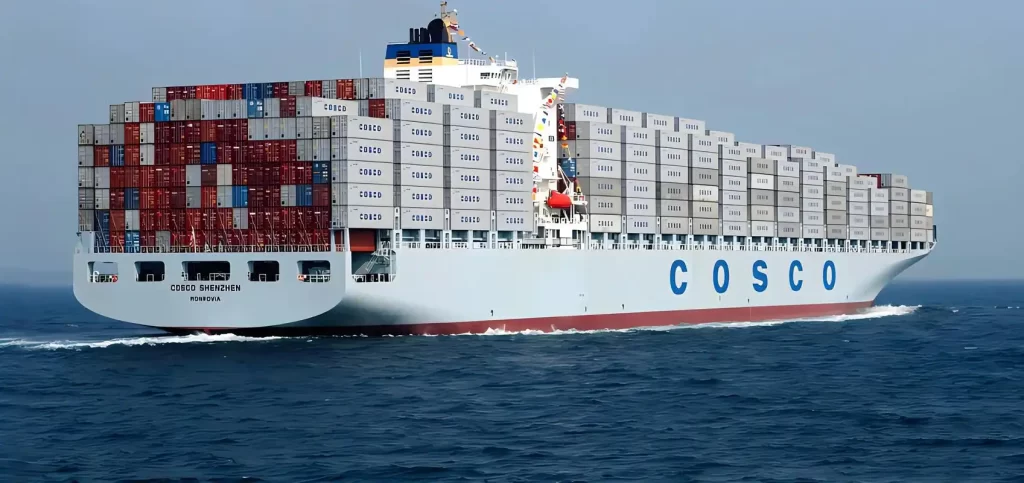
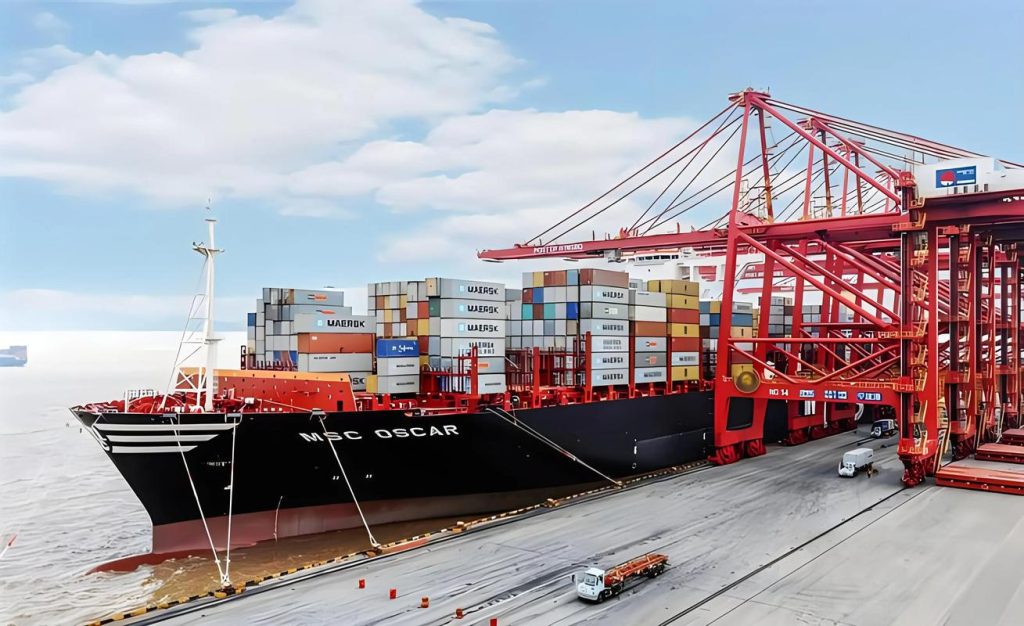
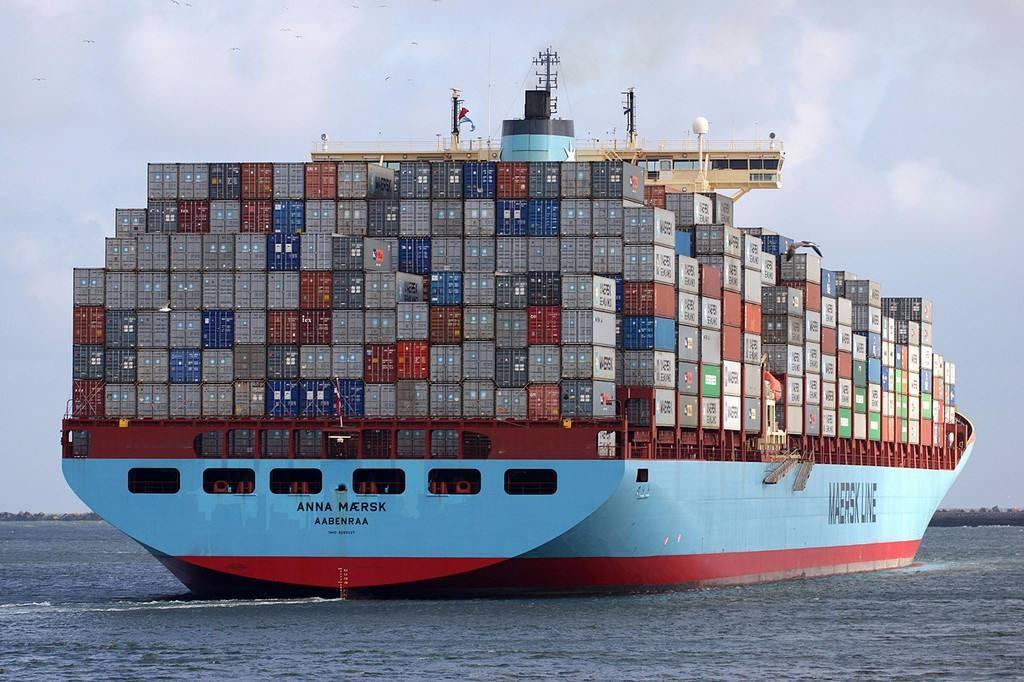
- Sea Freight: Cost-effective for bulk shipments, slower delivery (20–40 days).
- Air Freight: Fast for high-value or urgent shipments (3–7 days), slightly higher cost per kg.
- Rail Freight (China–Europe–UK): Moderate speed and cost.
Forwarders often provide ⭐ excellent service ratings when tracking and customs support are included, giving importers peace of mind.
4. Step 3: Prepare Documentation
Accurate documentation ensures smooth customs clearance:
- Commercial Invoice
- Packing List
- Bill of Lading / Airway Bill
- Import License (if required)
- Certificates (e.g., CE, FDA for regulated goods)
Forwarders with good ⭐ user reviews help importers prepare these documents efficiently, preventing fines or delays.
5. Step 4: Calculate Costs
Shipping costs include:
- Freight charges (LCL, FCL, air)
- Customs duties and taxes
- Insurance
- Local delivery or trucking
Tip: Consolidating small shipments into one container often reduces costs. Forwarders with ⭐ high reliability ratings are more likely to offer transparent, all-inclusive quotes.
6. Step 5: Arrange Insurance
Insurance protects against cargo loss or damage. Recommended coverage is usually 0.3–0.5% of cargo value. Many clients ⭐ rate forwarders highly for helping them choose optimal insurance plans.
7. Step 6: Track and Manage Shipments
Real-time tracking is essential:
- Monitor departure and arrival
- Coordinate with customs for smooth clearance
- Notify the recipient in advance
Forwarders with ⭐ excellent tracking ratings save importers significant time and stress.
8. Step 7: Receive and Inspect Goods
- Check quantity and quality against the packing list
- Document any damage for insurance claims
- Confirm delivery addresses for door-to-door shipments
Companies with ⭐ top-rated customer support make this step seamless.
9. Common Mistakes to Avoid
- Choosing suppliers based solely on price
- Ignoring shipping deadlines or lead times
- Underestimating customs duties and taxes
- Failing to insure shipments
- Skipping proper packaging
Avoiding these mistakes keeps import costs under control and prevents delays.
10. Conclusion
Importing from China does not have to be stressful. By following these steps and working with reliable suppliers and forwarders, businesses can import goods efficiently, reduce risk, and enjoy ⭐ highly rated service experiences. Proper planning, accurate documentation, and effective tracking are the keys to hassle-free importing.
👤 Example Embedded Reviews
- “⭐ The step-by-step guidance made our first shipment from China smooth and predictable.” – 🇺🇸 John D.
- “⭐ Excellent service, all documentation handled professionally.” – 🇬🇧 Sarah W.
- “⭐ Timely updates and tracking kept us informed at all times.” – 🇩🇪 Klaus M.
- “⭐ Insurance and customs support prevented any unexpected delays.” – 🇨🇦 Emily S.
- “⭐ Friendly support team and transparent cost breakdown.” – 🇦🇺 Laura K.