

China-Europe E-Commerce Logistics: Optimizing Shipping for Online Sellers
Introduction
With the rapid growth of cross-border e-commerce, online sellers importing goods from China to Europe need efficient logistics solutions to stay competitive. E-commerce logistics focuses on fast, cost-effective, and reliable shipping tailored for small parcels, frequent orders, and customer expectations for quick delivery.
This guide explains how e-commerce logistics works, shipping methods, costs, transit times, and strategies for online sellers.
What is E-Commerce Logistics?
E-commerce logistics refers to specialized shipping services designed for online sellers, often handling smaller parcels, frequent shipments, and direct delivery to consumers or fulfillment centers.
Key Features:
- Supports small and medium-sized parcels
- Integration with online marketplaces and platforms
- Tracking and visibility for both sellers and buyers
- Fast and reliable shipping methods
Shipping Methods for E-Commerce
1. Express Courier Services
- Fastest option for small parcels
- Delivery time: 3–7 days to Europe
- Ideal for high-value or urgent orders
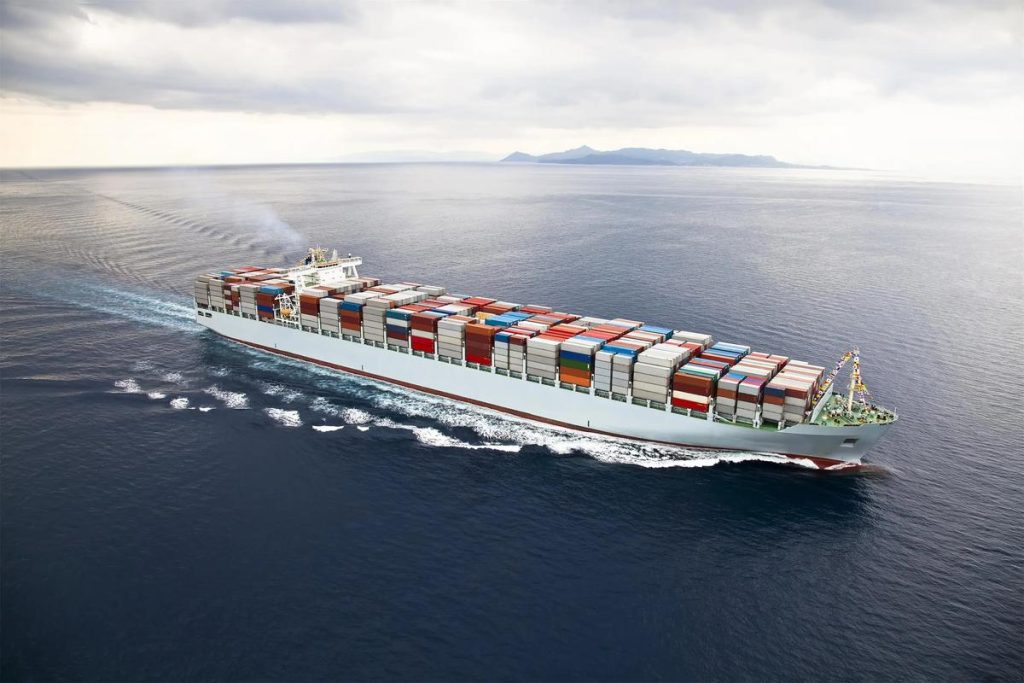
2. LCL (Less than Container Load) for Bulk E-Commerce Stock
- Consolidates smaller shipments into shared containers
- Cost-effective for stock replenishment
- Transit time: 30–40 days
3. Rail Freight
- Balanced solution between cost and speed
- Transit time: 12–20 days
- Suitable for medium-sized e-commerce shipments
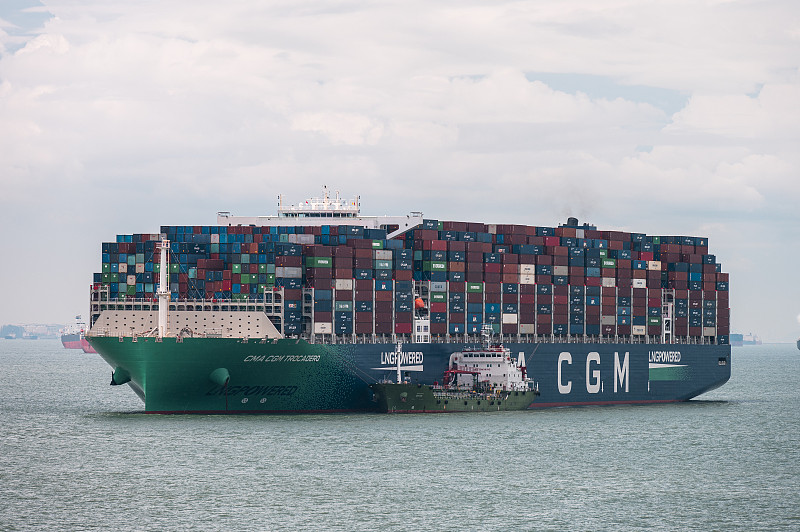
4. FCL (Full Container Load)
- For large-volume e-commerce inventory
- Lower cost per unit for bulk stock
- Transit time: 28–40 days
Benefits of E-Commerce Logistics
1. Faster Delivery to Customers
Specialized e-commerce shipping reduces transit time and improves customer satisfaction.
2. Cost-Effective Solutions
Options like LCL and rail freight help online sellers minimize costs while maintaining reliable delivery schedules.
3. Simplified Customs Clearance
Freight forwarders handle export and import procedures, reducing administrative burdens for sellers.
4. Real-Time Tracking
Sellers and buyers can monitor shipments, ensuring transparency and reliability.
Tips for Optimizing E-Commerce Shipping
- Choose the right shipping method: Express for urgent orders, LCL or rail for bulk inventory.
- Work with experienced logistics providers: They handle customs and last-mile delivery efficiently.
- Plan inventory carefully: Avoid stockouts by scheduling regular shipments.
- Optimize packaging: Reduce weight and volume to save on shipping costs.
- Integrate tracking systems: Provide customers with updates to enhance trust.
Costs and Considerations
Shipping costs for e-commerce logistics depend on:
- Parcel weight and size
- Shipping method and urgency
- Destination country
- Customs duties and VAT (if not using DDP)
Additional costs may include:
- Packaging and labeling
- Insurance for high-value items
- Fulfillment center handling fees
Common Challenges
- Customs delays: Ensure accurate documentation and HS codes.
- High shipping costs: Use consolidated shipments or rail freight for larger orders.
- Inventory management: Plan shipments to match sales demand.
- Parcel tracking issues: Choose logistics providers offering reliable tracking.
FAQ
How long does e-commerce shipping from China to Europe take?
- Express courier: 3–7 days
- Rail freight: 12–20 days
- LCL sea freight: 30–40 days
Is e-commerce shipping expensive?
Costs vary by parcel size, weight, and shipping method. Consolidation and rail freight reduce expenses for larger shipments.
Can small parcels be shipped via FCL or LCL?
Yes, small parcels are usually consolidated under LCL. FCL is suitable for bulk inventory.
Does e-commerce logistics include customs clearance?
Yes, many logistics providers offer DDP or door-to-door services including customs clearance.
Can e-commerce logistics handle perishable items?
Yes, specialized refrigerated containers or express courier options are available.
China-Europe e-commerce logistics enables online sellers to import goods efficiently, reduce costs, and deliver products quickly to customers. By selecting the right shipping method and working with experienced logistics providers, online businesses can improve operations, enhance customer satisfaction, and grow their European market presence.