


Cold Chain Logistics from China: Shipping Temperature-Sensitive Goods to Europe
Introduction
For businesses importing temperature-sensitive goods from China to Europe, maintaining proper temperature control during transit is critical. Cold chain logistics ensures products such as pharmaceuticals, food, and chemicals arrive safely without spoilage or quality loss.
This guide explains cold chain logistics, shipping methods, temperature control options, transit times, costs, and best practices for importers.
What is Cold Chain Logistics?
Cold chain logistics is a specialized supply chain that maintains a constant temperature for goods from origin to destination. It uses refrigerated transport, temperature-controlled warehouses, and monitoring systems to ensure product quality.
Key Features:
- Temperature-controlled storage and transportation
- Continuous monitoring of temperature and humidity
- Suitable for perishable, pharmaceutical, and chemical products
- Includes customs clearance and delivery
Shipping Methods for Cold Chain Logistics
1. Air Freight
- Fastest method for perishable or urgent cargo
- Transit time: 3–7 days from China to Europe
- Ideal for pharmaceuticals, fresh produce, and seafood
2. Rail Freight
- Moderate speed and cost
- Transit time: 12–20 days
- Suitable for frozen food or less urgent temperature-sensitive items
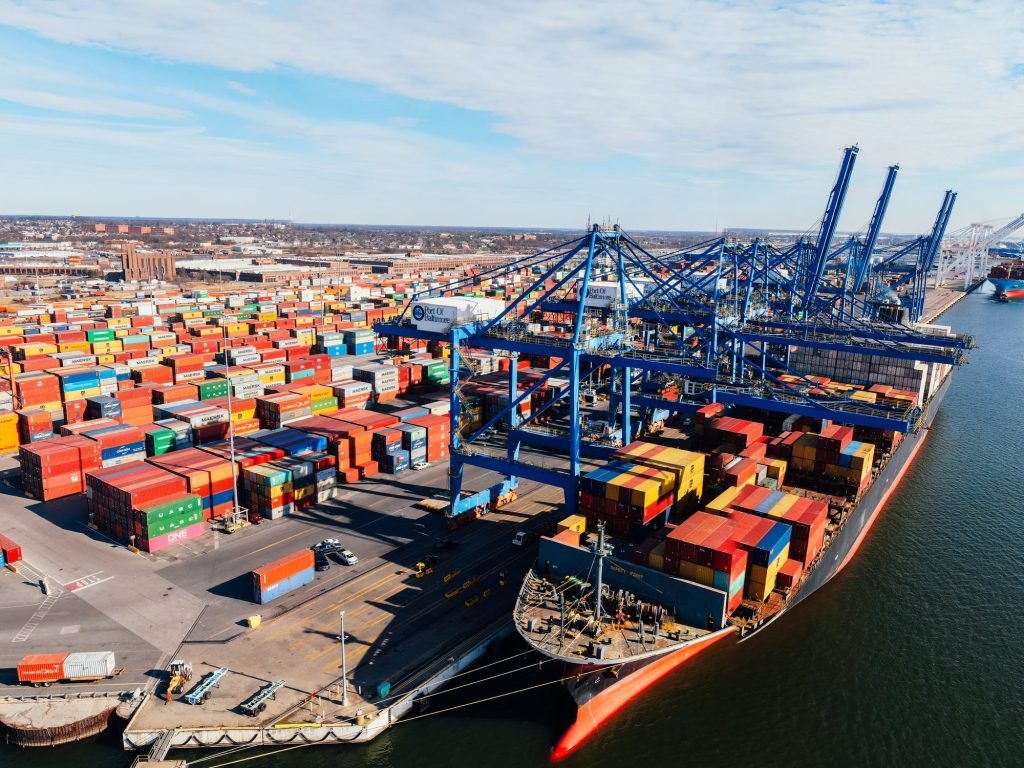
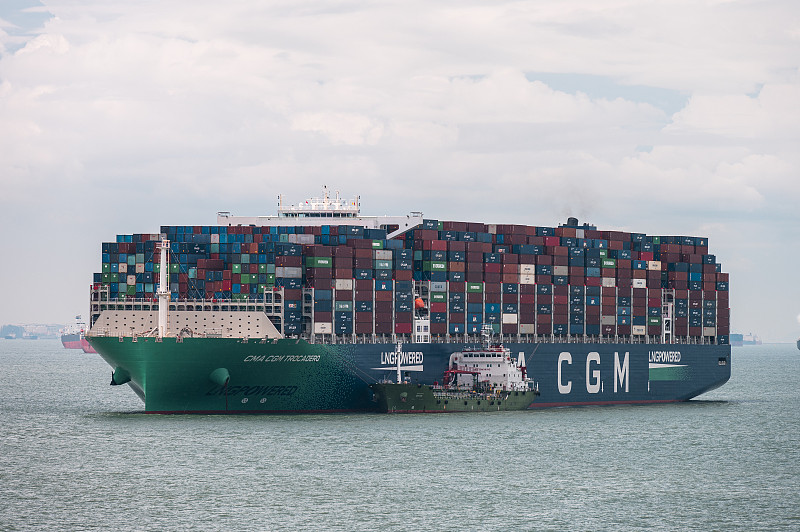
3. Sea Freight (Refrigerated Containers)
- Most cost-effective for large shipments
- Transit time: 30–45 days
- Containers maintain temperature from -20°C to +25°C depending on cargo requirements
Temperature Control Options
- Frozen (-18°C to -25°C): For ice cream, frozen seafood, or vaccines
- Chilled (0°C to +5°C): For fruits, vegetables, and dairy
- Controlled Room Temperature (15°C to 25°C): For pharmaceuticals or cosmetics
- Multi-temperature containers: Can carry different goods at different temperatures
Cold Chain Shipping Process
Step 1: Cargo Pickup
Freight forwarder collects goods from supplier and ensures proper packaging with temperature control.
Step 2: Export Customs Clearance
Documents such as invoices, packing lists, and certificates are submitted to Chinese customs.
Step 3: Temperature-Controlled Transport
Cargo is transported via air, rail, or refrigerated sea containers with continuous monitoring.
Step 4: Import Customs Clearance
Customs clearance in Europe includes handling import duties, VAT, and inspection if required.
Step 5: Final Delivery
Cargo is delivered directly to warehouses, distribution centers, or retail locations under temperature-controlled conditions.
Costs of Cold Chain Logistics
Cold chain logistics is generally more expensive than standard shipping due to:
- Temperature-controlled containers and equipment
- Monitoring devices and data logging
- Insurance for high-value or perishable cargo
- Specialized handling at origin and destination
Included in cost:
- Pickup and handling
- Export and import customs clearance
- Refrigerated transport
- Delivery to final destination
Best Practices for Cold Chain Shipping
- Choose experienced logistics providers: Ensure proper handling and compliance with regulations.
- Use appropriate packaging: Insulated boxes, gel packs, and dry ice may be required.
- Monitor temperature: Use GPS and IoT devices for real-time tracking.
- Plan transit carefully: Minimize transit time to reduce risk of spoilage.
- Verify documentation: Especially for pharmaceuticals or regulated goods.
FAQ
What is cold chain logistics?
It is a temperature-controlled supply chain for perishable, pharmaceutical, and sensitive goods.
How long does cold chain shipping from China to Europe take?
- Air freight: 3–7 days
- Rail freight: 12–20 days
- Sea freight (refrigerated): 30–45 days
Can cold chain shipping handle frozen and chilled goods together?
Yes, multi-temperature containers or separate shipments can maintain different temperature zones.
Is cold chain logistics expensive?
Yes, due to refrigeration, monitoring, and specialized handling, but it ensures product safety and quality.
Can small businesses use cold chain shipping?
Yes, many freight forwarders offer small parcel or consolidated cold chain services.
Cold chain logistics from China to Europe ensures temperature-sensitive goods arrive safely, preserving quality and reducing losses. By choosing the right shipping method, packaging, and logistics provider, importers can maintain product integrity, comply with regulations, and satisfy end customers.