

Introduction
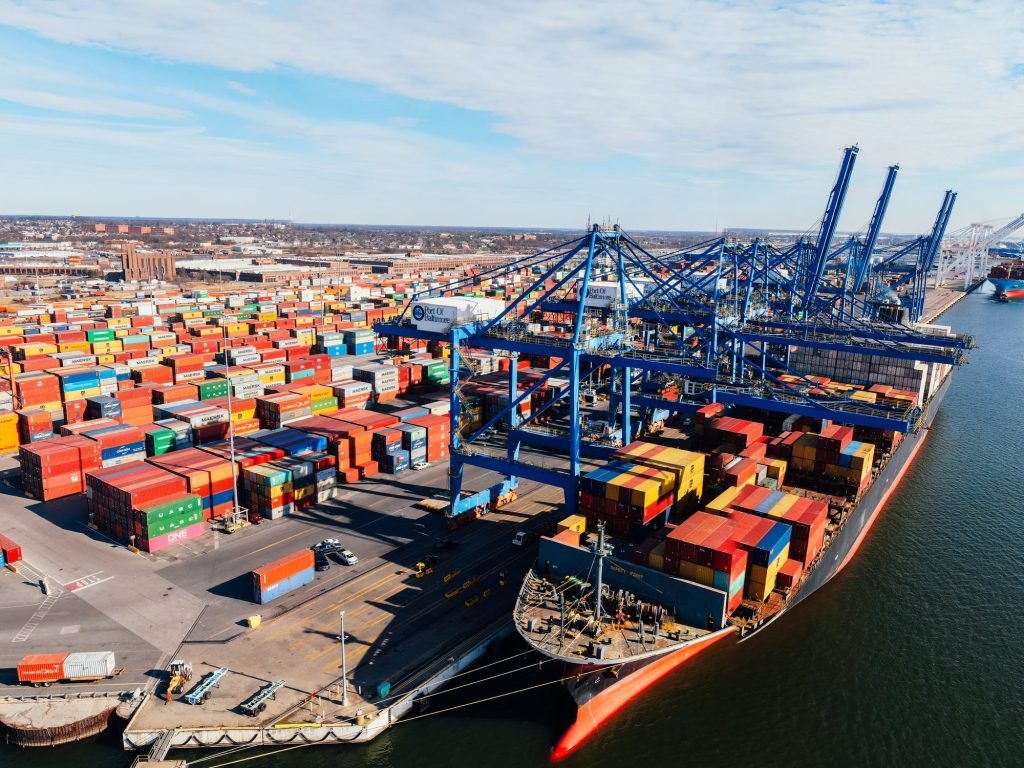
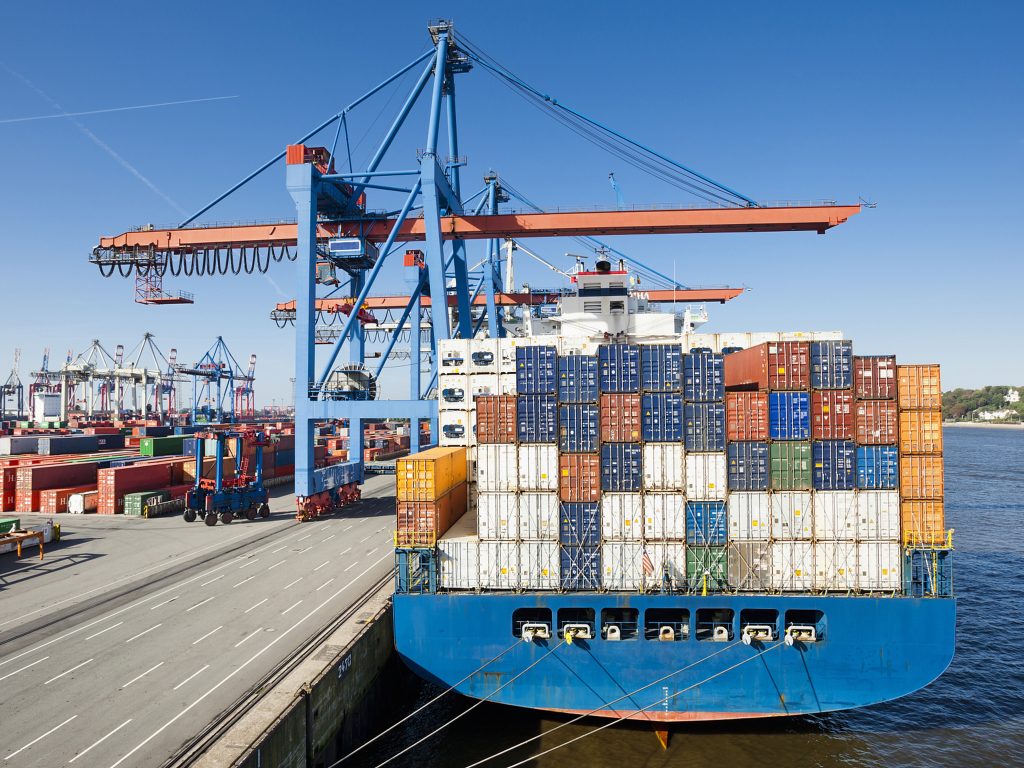
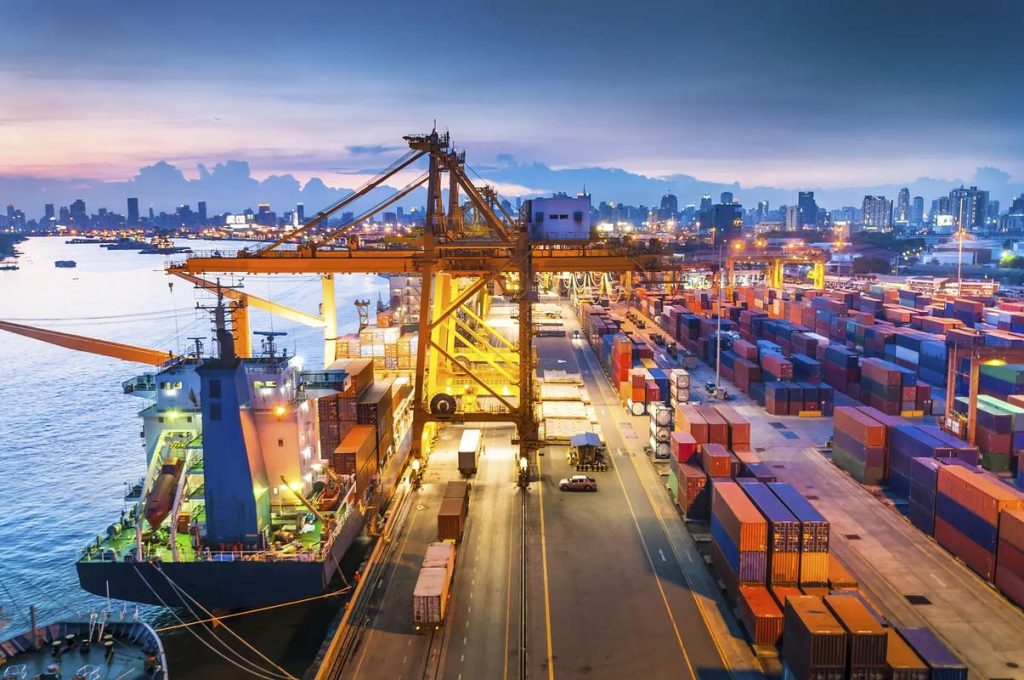
When importing goods from China to Europe, one of the first decisions is whether to ship via FCL (Full Container Load) or LCL (Less than Container Load). The choice impacts cost, transit time, and cargo safety.
This article explains the differences between FCL and LCL, the advantages of each, and how to get accurate shipping prices for your cargo.
What is FCL Shipping?
FCL (Full Container Load) means your shipment occupies an entire container. You have exclusive use of the container, from loading in China to delivery in Europe.
Key Features:
- Ideal for large shipments
- Reduced risk of damage or contamination
- Faster transit at the port due to less handling
What is LCL Shipping?
LCL (Less than Container Load) means your cargo is consolidated with other shipments in one container.
Key Features:
- Ideal for small shipments
- Cost shared with other shippers
- Requires careful packaging to prevent damage
Comparison: FCL vs LCL
| Feature | FCL | LCL |
|---|---|---|
| Container Use | Exclusive | Shared |
| Cost | Higher upfront cost | Cost-effective for small shipments |
| Transit Time | Faster at port | Longer due to consolidation |
| Cargo Safety | Low risk | Higher risk of damage |
| Minimum Shipment | Full container | Small volumes allowed |
Advantages of FCL
- Faster handling and transit
- Less risk of cargo damage
- Better for high-value or fragile goods
Advantages of LCL
- Affordable for small shipments
- Flexible for varied products
- Allows businesses to import smaller quantities without paying for a full container
How to Get Shipping Prices
- Provide Shipment Details: Cargo type, volume, weight, origin, and destination
- Specify Container Type: FCL or LCL
- Request a Quote from a Forwarder: Online, email, or phone
- Compare Prices: Ensure all fees, customs, and services are included
Call to Action: Planning to ship from China to Europe? Get prices today for FCL or LCL shipping and choose the best option for your business needs.
Tips for Cost-Effective Shipping
- Consolidate shipments for LCL to save costs
- Maximize container utilization for FCL
- Work with experienced freight forwarders
- Plan shipments ahead to avoid peak season surcharges
- Verify Incoterms to understand responsibilities
FAQ
Q1: What is the main difference between FCL and LCL?
- FCL uses an entire container exclusively, while LCL shares a container with other shipments.
Q2: Which is cheaper?
- LCL is cheaper for small shipments; FCL is more economical per unit for large shipments.
Q3: Does LCL take longer than FCL?
- Yes, due to consolidation and deconsolidation at ports.
Q4: Can fragile goods be shipped via LCL?
- Yes, but they require careful packaging and handling.
Q5: How do I choose the right option?
- Consider shipment size, budget, and delivery time requirements.
FCL and LCL shipping offer flexible solutions for imports from China to Europe. By understanding the differences and requesting prices, businesses can save costs, reduce risk, and optimize transit times.