

Step-by-Step Guide to Sea Freight from China to Italy
📝 Introduction
Shipping goods from China to Italy by sea is one of the most common and cost-effective solutions for international trade. Understanding the sea freight process from China to Italy helps businesses manage shipments efficiently, reduce delays, and control costs. This article outlines the step-by-step sea transport procedure, key considerations, customs clearance, and tips for optimizing logistics from China to Italy.
Step 1: Choose the Right Shipping Method
Businesses can select between Full Container Load (FCL) and Less Than Container Load (LCL):
- Full Container Load (FCL):
- Best for large shipments that fill a 20ft or 40ft container.
- Direct container movement reduces handling risks and speeds up transit.
- Typically faster than LCL due to minimal consolidation.
- Less Than Container Load (LCL):
- Suitable for smaller shipments that do not fill a container.
- Consolidated with other shipments, which can slightly increase transit time.
- More cost-effective for low-volume cargo.
- Multi-modal Options: Sometimes sea freight is combined with rail or road transport to Italy for faster inland delivery.
Step 2: Booking the Shipment
Booking is a critical first step:
- Contact a freight forwarder or shipping line to get quotes.
- Provide details: origin port, destination port, cargo weight and dimensions, and shipping terms (Incoterms).
- Choose shipping dates and confirm container availability.
Popular Chinese Ports: Shanghai, Ningbo, Shenzhen, Qingdao, Tianjin.
Italian Destination Ports: Genoa, La Spezia, Venice, Livorno, Naples.
Step 3: Prepare Shipping Documents
Proper documentation ensures smooth transit and customs clearance. Required documents include:
- Commercial Invoice: Lists the goods, quantities, and value.
- Packing List: Details of items, packaging type, and weight.
- Bill of Lading (B/L): Shipping contract issued by the carrier.
- Certificate of Origin: Confirms where goods are manufactured.
- Insurance Certificate: Optional but recommended for high-value cargo.
Step 4: Cargo Pickup and Inland Transportation in China
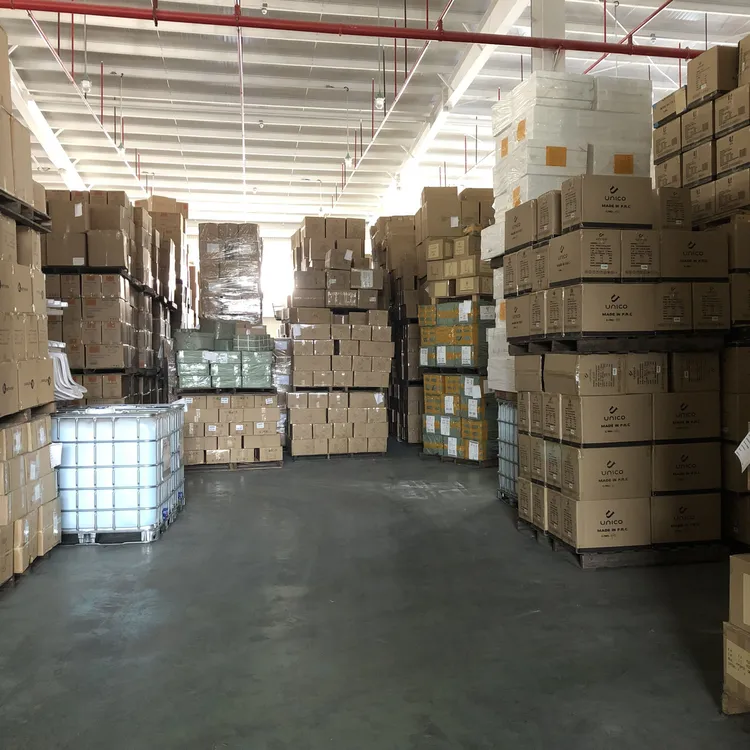
- Goods are picked up from the supplier’s warehouse or factory.
- Forwarders arrange inland transport to the port, either by truck or rail.
- Cargo is inspected for proper packaging and labeling before loading.
Step 5: Port Handling in China
At the port of departure:
- Containers are received and checked by terminal staff.
- Terminal Handling Charges (THC) apply for loading the container onto the vessel.
- Customs clearance in China is performed for export, including inspection if required.
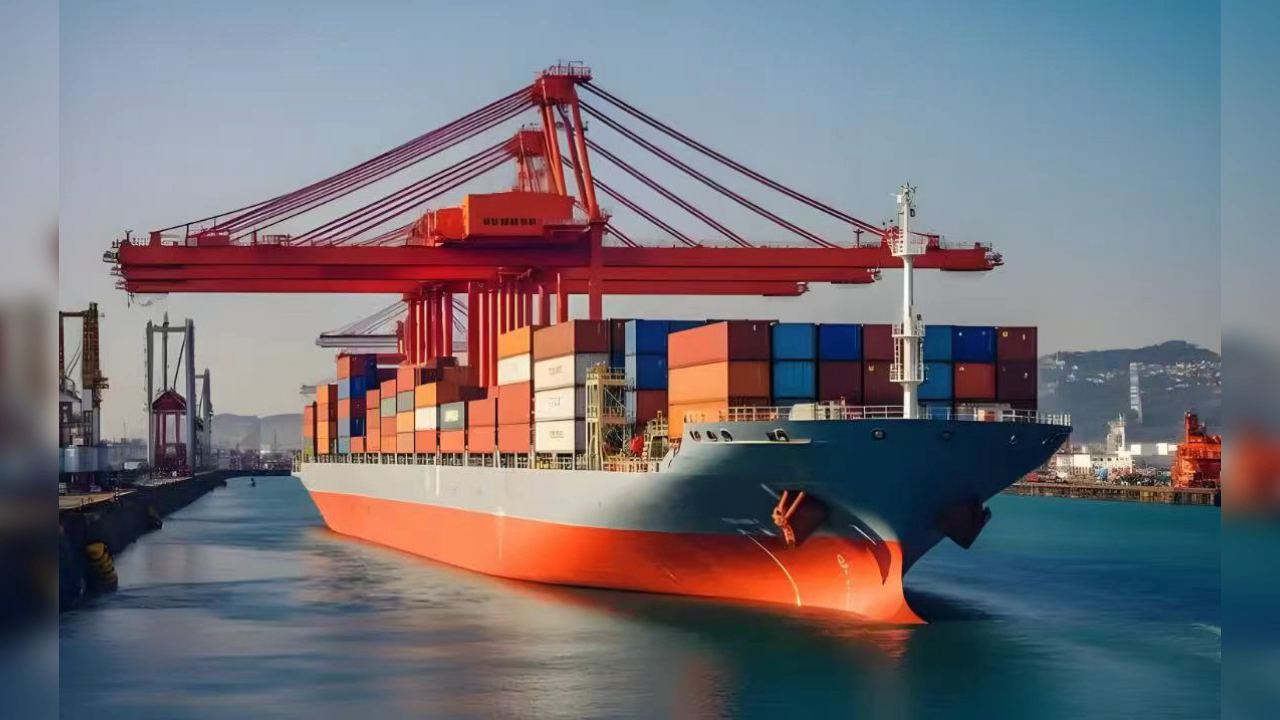
- Container is loaded onto the vessel according to shipping schedule.
Step 6: Ocean Transit
- Transit time from China to Italy varies depending on port of origin and destination:
- Shanghai to Genoa: 28–35 days
- Shenzhen to La Spezia: 30–36 days
- Ningbo to Venice: 27–34 days
- Sea freight is cost-effective for bulk and heavy shipments.
- Weather conditions, port congestion, and holidays may affect transit time.
Step 7: Arrival at Italian Port
Upon arrival in Italy:
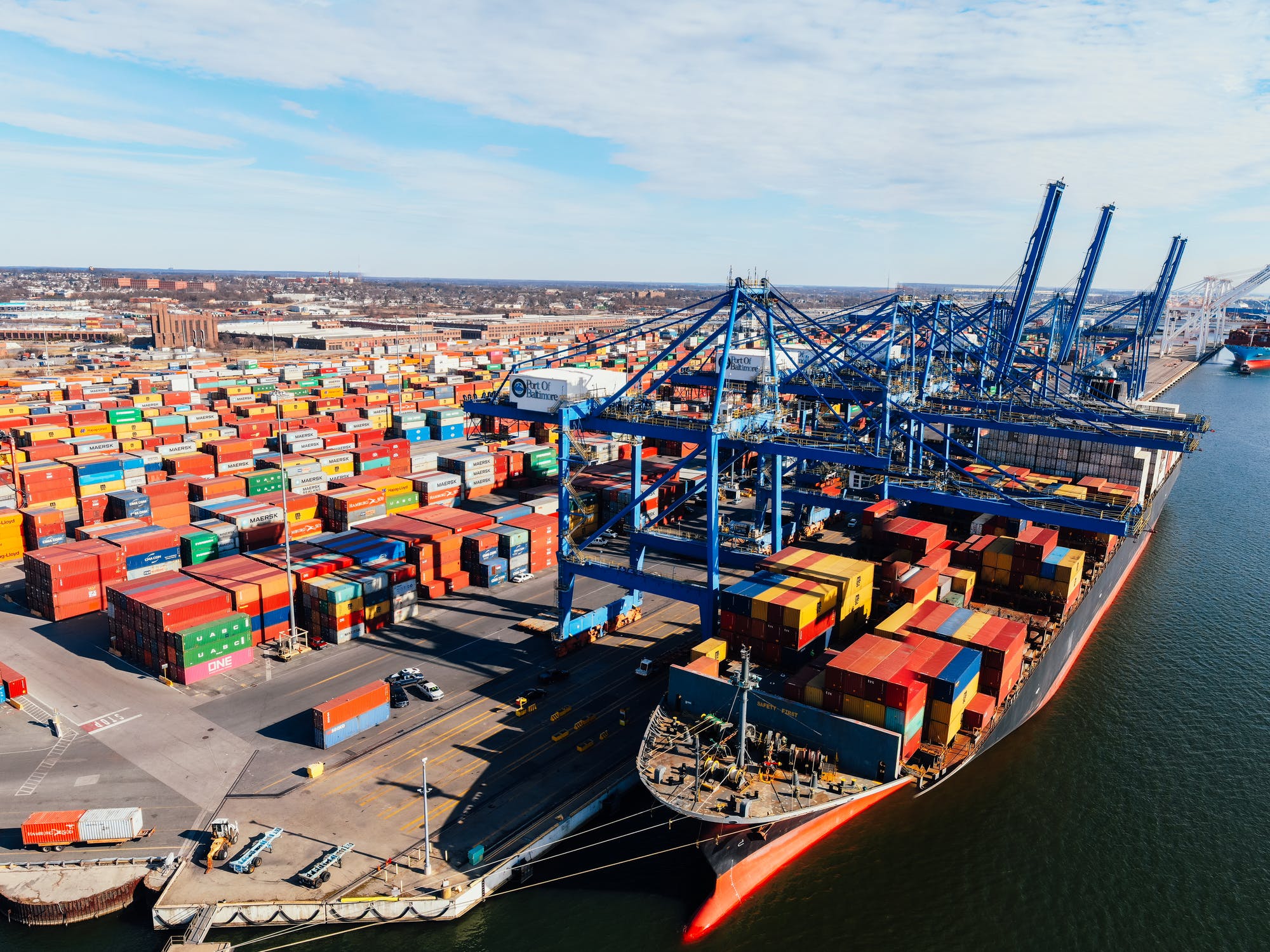
- Containers are unloaded from the vessel and moved to the port terminal.
- Import customs clearance is initiated.
- Terminal handling charges are applied.
- LCL shipments undergo deconsolidation, separating cargo from other shipments.
Step 8: Customs Clearance in Italy
Customs clearance ensures compliance with Italian and EU regulations:
- Required Documents: Commercial invoice, packing list, bill of lading, certificate of origin.
- Duties and Taxes:
- Import duty depends on product HS code.
- VAT is generally 22% in Italy.
- Customs Broker: Using a professional broker speeds up clearance and reduces errors.
- Inspections: Some goods (electronics, chemicals, food) may require additional inspection or certification.
Step 9: Inland Transportation to Final Destination
After customs clearance:
- Cargo is transported from the Italian port to the importer’s warehouse or distribution center.
- Freight forwarders coordinate trucking or rail transport.
- Delivery times depend on distance from port to final destination.
Step 10: Delivery and Confirmation
- The importer receives the goods and confirms receipt.
- Forwarders provide documentation and proof of delivery.
- Any damage or discrepancies are reported immediately for insurance claims if applicable.
Cost Factors in Sea Freight from China to Italy
Several factors influence the total shipping cost:
- Shipping Method: FCL is generally cheaper per unit than LCL.
- Cargo Weight and Volume: Heavier or bulkier shipments increase costs.
- Port Charges: Terminal handling, documentation, and storage fees.
- Customs Duties and VAT: Import duties plus 22% VAT in Italy.
- Insurance: Protects cargo against loss, damage, or theft.
- Peak Seasons: Shipping during holidays may result in surcharges.
Tips to Optimize Costs:
- Consolidate shipments to fully utilize containers.
- Choose the most suitable port for faster and cheaper transport.
- Work with professional freight forwarders to negotiate rates.
- Plan shipments outside peak seasons.
Common Challenges and Solutions
| Challenge | Solution |
|---|---|
| Port congestion in Italy | Plan ahead, allow buffer time, use alternative ports |
| Documentation errors | Double-check invoices, packing lists, and certificates |
| Cargo damage | Use professional packaging, secure cargo, consider insurance |
| Unexpected costs | Request transparent quotes including all fees |
Conclusion
The sea freight process from China to Italy involves multiple steps: selecting shipping method, booking, preparing documents, inland transport, port handling, ocean transit, customs clearance, and final delivery.
Understanding each step helps businesses reduce delays, optimize costs, and ensure smooth logistics. Partnering with experienced freight forwarders ensures professional handling, customs expertise, and reliable door-to-door delivery.
By following this step-by-step guide, exporters can confidently ship goods from China to Italy, maintaining efficiency and customer satisfaction throughout the supply chain.
⭐ Inquiry Prompt:
Contact us today for a detailed quote on sea freight from China to Italy. Our logistics experts will handle your shipment from pickup to delivery, including customs clearance, insurance, and real-time tracking.