

For supply chain managers shipping Full Container Load (FCL) freight from Shenzhen to Rotterdam, the fourth quarter is not a season of joy—it is a season of anxiety. As consumer demand peaks and factories rush to fulfill year-end orders, the delicate balance of global logistics collapses under the weight of its own success.
You did everything right. You booked your vessel three weeks in advance. You paid your invoice on time. Yet, when the truck arrives at the terminal, the news is devastating: “Your container has been rolled.”
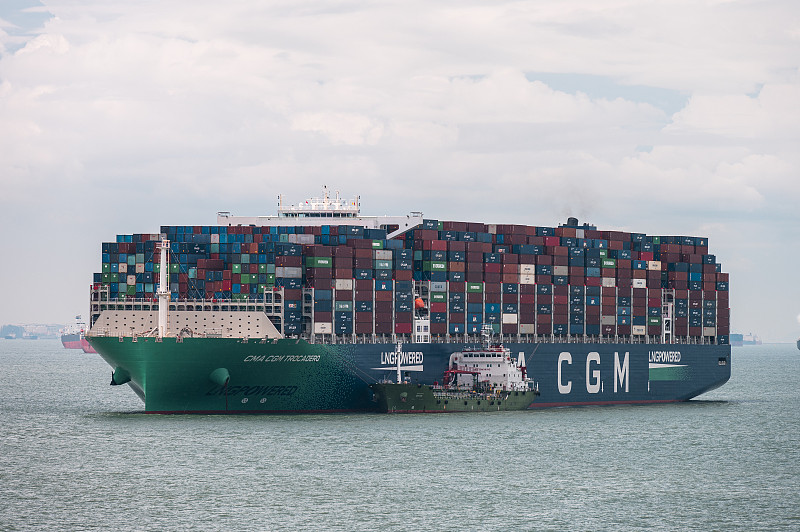
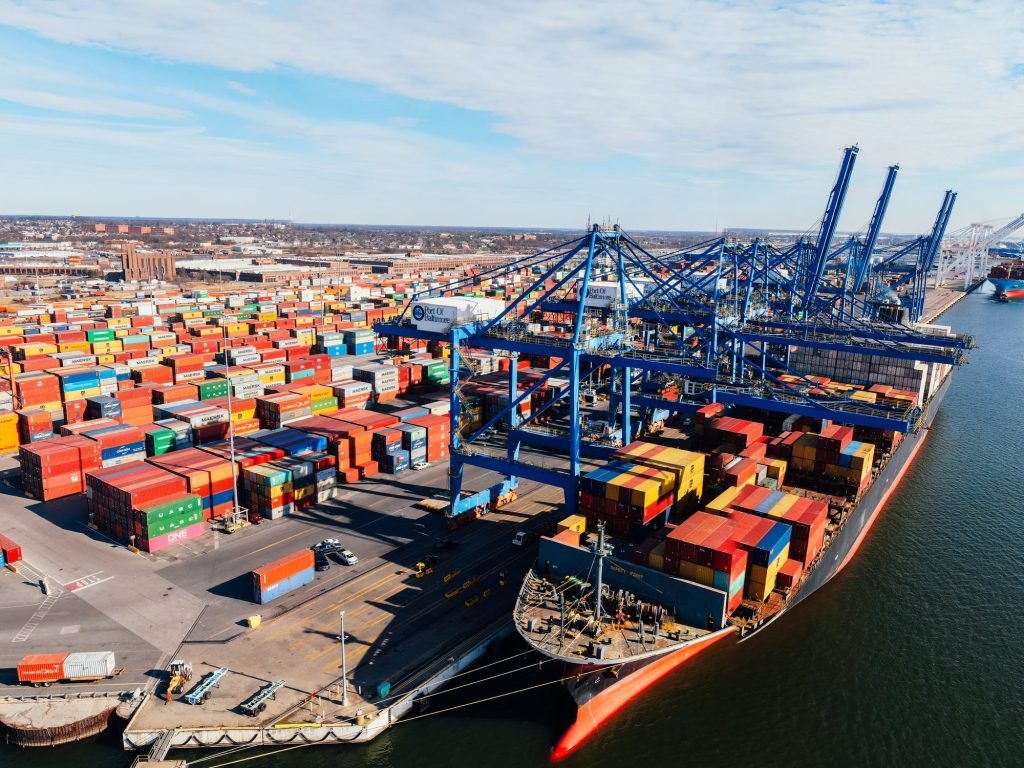
In the logistics world, “rolled cargo” is the silent budget killer. It means your container missed the ship and is sitting on the pier, waiting for the next available vessel—which could be another week, or two, or never. This article explores how a specialized Peak Season FCL Solution from Shenzhen to Rotterdam eliminates this risk through Secured Space and a No Roll-over Guarantee.
1. The True Cost of a “Rolled” Container
Most businesses calculate the cost of a delayed shipment as a simple math problem: Daily Storage Rate x Days Delayed. This is a grave miscalculation. The true cost is multi-dimensional:
- The Demurrage & Detention Spiral: While your container sits, the clock starts ticking on expensive port storage (demurrage) and equipment usage (detention) fees.
- Production Line Stoppages: For Just-in-Time (JIT) manufacturing in Germany or the Netherlands, a missing component from Shenzhen can shut down an entire assembly line, costing tens of thousands of Euros per hour.
- Retail Penalties: Miss a Must-Arrive-By-Date (MABD) at a European retail giant like Carrefour or Metro, and you face crippling fines or, worse, the rejection of the entire shipment.
- Reputational Damage: Your end-customer doesn’t care about “port congestion”; they care that their order arrived late.
2. Why Containers Get Rolled (And Why It’s Not Random)
Carriers operate on a simple economic principle: maximize profit per slot. During peak season, they often overbook vessels by 10-20%, betting that some shippers will miss their cut-off times. When the ship is full, they “roll” the cargo of shippers who are perceived as having less leverage or who booked at the lowest possible rate.
The Myth of the “Cheap Rate”: If you secured a rate significantly lower than the market average, your container is the first to be left on the pier. You weren’t buying a shipping service; you were buying a lottery ticket.
3. The Anatomy of a “Secured Space” Solution
A true peak season solution is not just a promise; it is a structural advantage built on three pillars:
3.1 Volume Leverage with Carriers
Major forwarders with high annual volumes have Minimum Quantity Commitments (MQCs) with carriers like MSC, Maersk, and CMA CGM. This grants them access to Protected Allocations. While a small importer might be fighting for scraps, a strategic partner reserves blocks of space months in advance specifically for their clients.
3.2 The “No Roll-over” Contract Clause
A professional forwarder doesn’t just say “we’ll try our best.” They put it in writing. A No Roll-over Guarantee is a contractual obligation. If the forwarder fails to load your 20GP or 40HQ container onto the agreed vessel from Yantian or Shekou, they assume financial liability for the resulting delays and fees.
3.3 Proactive Equipment Positioning
Space is useless without a chassis and a container. In Shenzhen, equipment imbalances are common. Secured solutions include pre-pulling containers to the forwarder’s warehouse or the client’s factory before the official release date, ensuring the cargo is ready to roll the moment the gate opens.
4. Shenzhen to Rotterdam: The Corridor Challenge
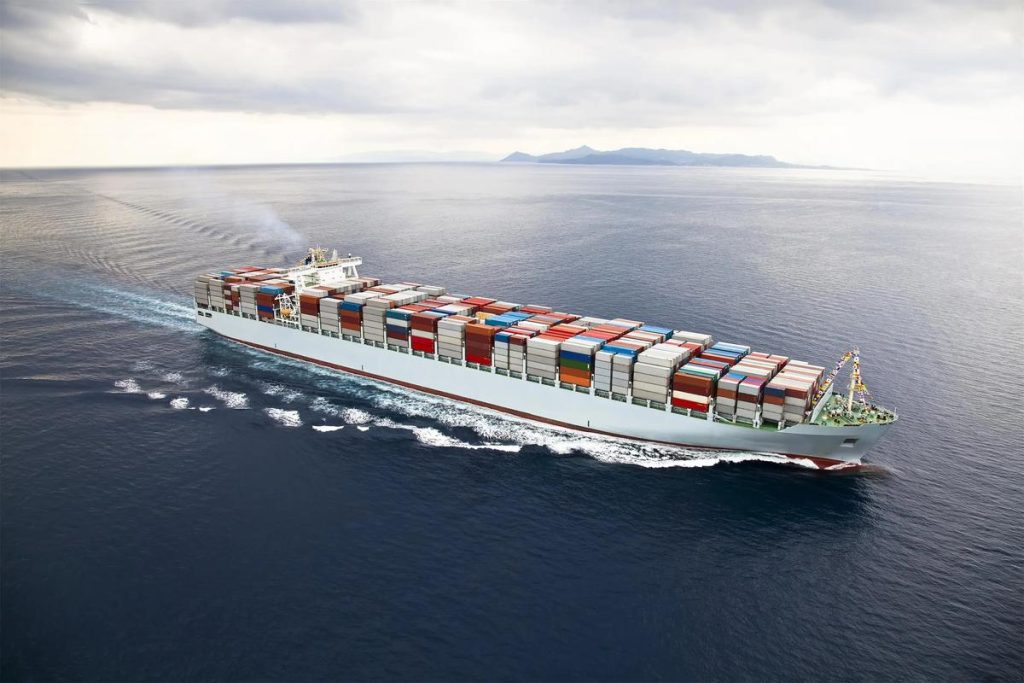
The route from Shenzhen (via Yantian or Shekou) to Rotterdam (Europe’s largest port) is the world’s busiest. The transit time is typically 28-35 days, passing through the Malacca Strait and the Suez Canal.
Key Risks:
- Suez Canal Delays: Increased traffic or geopolitical tensions can add 7-10 days.
- Rotterdam Congestion: As the gateway to Europe, Rotterdam is often congested. Even if you arrive on time, getting a berth and discharging can take days.
A specialized solution mitigates these by selecting carriers with the best on-time performance records and providing priority discharge options.
5. Case Study: The Automotive Supplier
Consider a German automotive supplier needing urgently needed microchips from a factory in Dongguan (near Shenzhen).
- Standard Approach: Books a cheap spot rate online. The container is rolled twice. Total delay: 18 days. Production halt cost: €250,000.
- Strategic Solution: Utilizes a “Secured Space” FCL service. The forwarder pays a premium to the carrier for a “Hard Slot.” The container sails as scheduled. Total cost of freight: €4,500. Savings: €245,500.
6. How to Vet Your Forwarder
Before signing a contract for your next shipment to Rotterdam, ask these questions:
- “What is your allocation volume with [Carrier Name] on the Shenzhen-Rotterdam lane?” (Higher volume = more control).
- “Do you offer a written No Roll-over Guarantee?”
- “What is your contingency plan if the ship skips Rotterdam?”
- “Can you provide real-time visibility of the vessel’s position and terminal status?”
Conclusion
In the world of international shipping, you get what you pay for. During peak season, “cheap” shipping is the most expensive risk you can take. By investing in a solution that guarantees space and eliminates the possibility of rolled cargo, you are not just buying a ticket on a boat; you are buying peace of mind and supply chain continuity.
Don’t let your next shipment be the one left sitting on the pier. Choose a partner who guarantees your space from Shenzhen to Rotterdam.
Is your supply chain ready for the peak season surge?
Contact us today to secure your FCL space and ensure your cargo arrives in Rotterdam exactly when you need it.