


Introduction
China’s export logistics system is one of the most advanced and efficient in the world. Every day, millions of shipments move from Chinese factories to international markets, supporting global trade and e-commerce growth.
However, for many importers, the process from factory production to overseas delivery can seem complicated. In this guide, we will explain how China export logistics works step by step in 2026, including shipping methods, documentation, and delivery flow.
What Is China Export Logistics?
China export logistics refers to the complete process of moving goods from a factory in China to an international destination.
It includes:
- Supplier pickup
- Warehousing (if needed)
- Export customs clearance
- International transportation
- Import customs clearance
- Final delivery
👉 It is a full supply chain process, not just shipping.
Step 1: Factory Production
The process starts at the manufacturer.
Key activities:
- Product manufacturing
- Quality inspection
- Packaging preparation
- Labeling (if required)
Important tip:
Always confirm:
- Product specifications
- Packaging standards
- Export readiness
Step 2: Pickup from Factory
Once goods are ready, a freight forwarder or logistics company picks up the cargo.
Options:
- Direct pickup from factory
- Consolidation warehouse pickup
👉 Consolidation is common for small shipments.
Step 3: Warehousing and Consolidation
Many exporters use warehouses in cities like:
- Shenzhen
- Guangzhou
- Yiwu
- Shanghai
Purpose:
- Combine multiple shipments
- Repackaging
- Quality checking
- Volume optimization
Step 4: Export Customs Clearance in China
Before leaving China, goods must pass export customs.
Required documents:
- Commercial invoice
- Packing list
- Export declaration
- Bill of lading / airway bill
Customs checks:
- Product type
- Export value
- Compliance with regulations
Step 5: International Transportation
After clearance, goods are shipped internationally.
Main shipping methods:
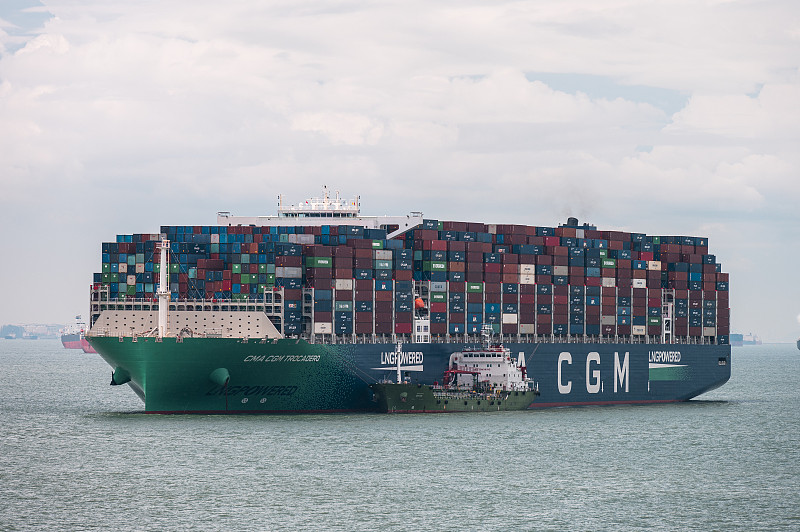
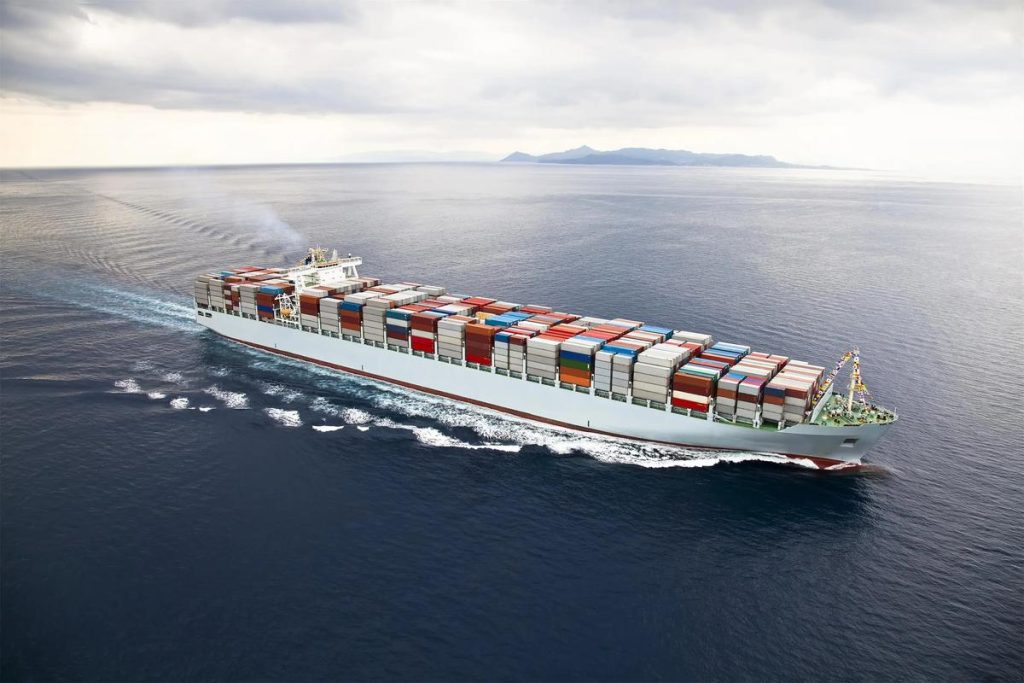
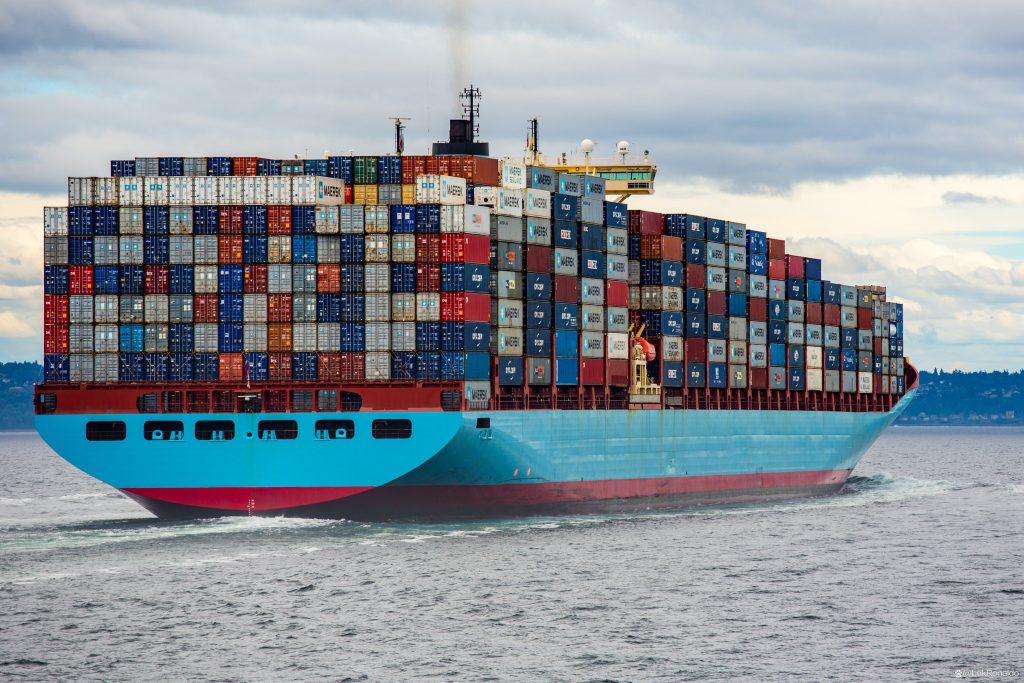
1. Sea Freight
- Cheapest option
- 20–45 days transit
- Best for bulk cargo
2. Air Freight
- Fast delivery
- 3–10 days transit
- Higher cost
3. Express Shipping
- DHL / FedEx / UPS
- 3–7 days
- Door-to-door service
4. DDP Shipping
- All-inclusive service
- Includes taxes and customs
- Beginner-friendly
Step 6: Import Customs Clearance
When goods arrive in the destination country, they go through customs again.
Customs checks:
- Product classification
- Import taxes
- Compliance documents
Possible charges:
- Import duty
- VAT / GST
- Clearance fees
👉 DDP shipping can handle this for you.
Step 7: Final Delivery
After customs clearance:
- Goods are delivered to warehouse
- Or delivered to Amazon FBA
- Or sent directly to customer
China Export Logistics Flow Summary
- Factory production
- Cargo pickup
- Warehousing (optional)
- Export clearance
- International shipping
- Import clearance
- Final delivery
Main Shipping Methods in Export Logistics
Sea Freight
- Lowest cost
- Best for large shipments
- Slowest transit
Air Freight
- Fast and reliable
- Medium cost
- Suitable for urgent goods
Express Shipping
- Fastest method
- Door-to-door
- High cost
DDP Shipping
- Full-service logistics
- No customs handling needed
- Predictable cost
Key Factors Affecting Export Logistics
- Cargo volume and weight
- Shipping method
- Destination country
- Customs regulations
- Seasonal demand
- Fuel price changes
Common Problems in Export Logistics
- Delayed factory production
- Incorrect documentation
- Customs inspection delays
- Poor packaging
- Unreliable freight forwarders
How to Improve Export Efficiency
1. Work with experienced freight forwarders
They streamline the whole process.
2. Prepare documents early
Avoid customs delays.
3. Optimize packaging
Reduce shipping cost and damage risk.
4. Plan shipments in advance
Avoid peak season congestion.
Why China Export Logistics Is So Efficient
- Strong manufacturing clusters
- Advanced port infrastructure
- Experienced logistics companies
- High export volume experience
- Global shipping network
Conclusion
China export logistics is a well-structured system that connects factories to global markets efficiently. By understanding each step—from production to final delivery—importers can better control costs, reduce risks, and improve supply chain performance.
Whether you choose sea freight, air freight, express, or DDP shipping, working with a reliable logistics partner is the key to smooth international trade.
Tags
China export logistics, freight forwarder China, sea freight China, air freight China, DDP shipping China, international shipping process, import from China, global logistics system, China factory shipping, export guide China