


Introduction
China’s logistics industry is the foundation of global trade. As the world’s largest exporter, China has built a highly efficient shipping and transportation system that connects factories to international markets every day.
In this guide, we will explain how the China logistics industry works in global trade shipping in 2026, including its structure, main players, shipping methods, and supply chain flow.
Why China Dominates Global Logistics
China leads the global logistics industry because of:
- Massive manufacturing scale
- Advanced port infrastructure
- Strong export supply chains
- Competitive labor and production costs
- High shipping volume experience
👉 This combination makes China the center of global freight movement.
Structure of the China Logistics Industry
The logistics system in China is made up of several key components:
1. Manufacturers and Suppliers
Factories are the starting point of the logistics chain.
Their role:
- Produce goods
- Prepare packaging
- Provide export-ready products
2. Freight Forwarders
Freight forwarders manage international shipping.
Services include:
- Booking shipping space
- Cargo pickup
- Customs documentation
- Sea, air, rail, and express shipping
- Door-to-door delivery
👉 They are the core link between suppliers and global buyers.
3. Shipping Lines and Airlines
These companies transport goods internationally.
Sea Freight Carriers:
- Maersk
- COSCO
- MSC
- CMA CGM
Air Freight Carriers:
- Emirates SkyCargo
- Qatar Airways Cargo
- China Southern Cargo
4. Ports and Airports
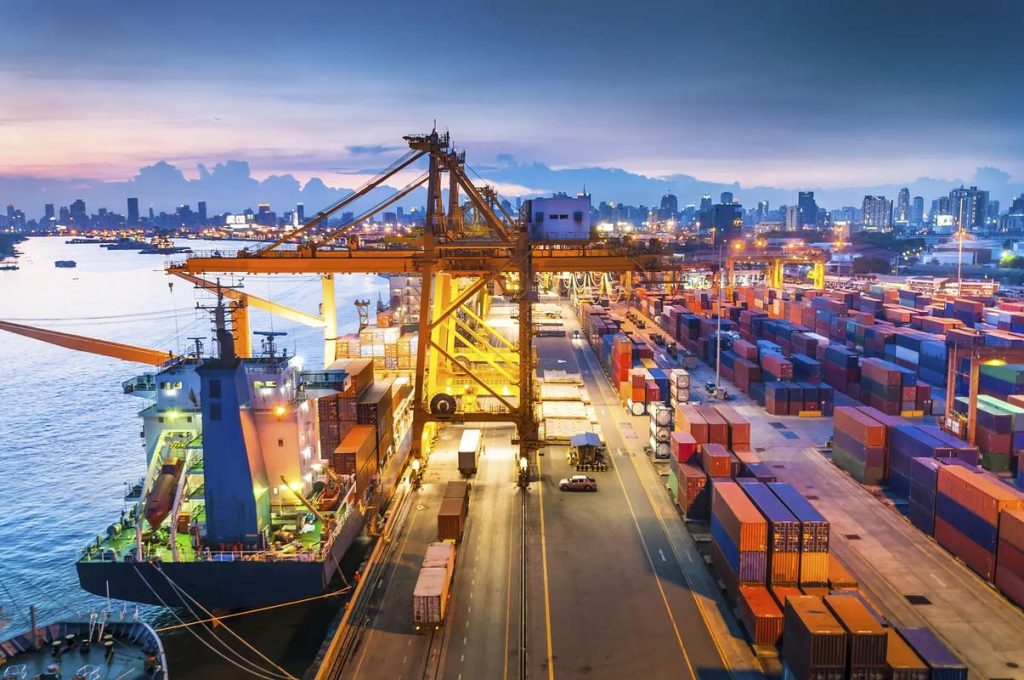
China has some of the busiest logistics hubs in the world:
- Shanghai Port
- Shenzhen Port
- Ningbo-Zhoushan Port
- Guangzhou Port
- Beijing & Guangzhou Airports
Main Shipping Methods in China Logistics
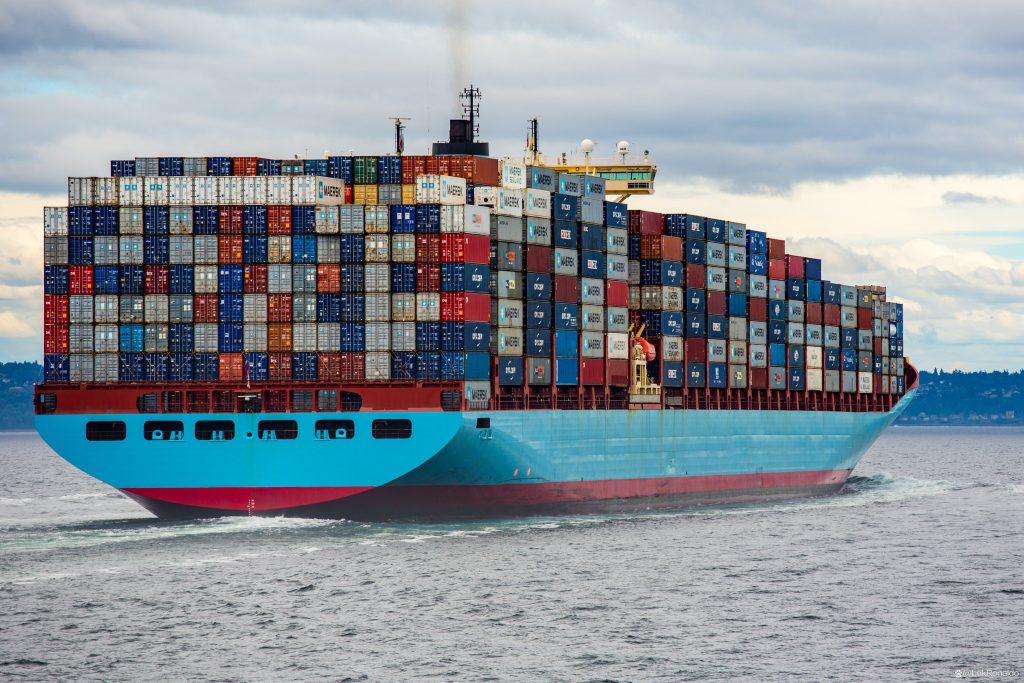
1. Sea Freight
Sea freight is the backbone of global shipping.
Features:
- Lowest cost
- Large capacity
- Global coverage
Types:
- LCL (Less than Container Load)
- FCL (Full Container Load)
💰 Cost: $80 – $200 per CBM (LCL)
2. Air Freight
Air freight is used for fast and high-value shipments.
Features:
- Fast delivery
- Higher cost
- Reliable schedules
💰 Cost: $4 – $10 per kg
3. Express Shipping
Courier services like DHL, FedEx, UPS.
Features:
- Fastest delivery
- Door-to-door service
- Easy tracking
💰 Cost: $6 – $15 per kg
4. DDP Shipping
DDP (Delivered Duty Paid) is a full-service logistics model.
Includes:
- Pickup from factory
- Export clearance
- International shipping
- Import taxes and duties
- Final delivery
💰 Cost:
- Sea DDP: $100 – $200 per CBM
- Air DDP: $6 – $12 per kg
China Logistics Supply Chain Flow
The full process looks like this:
- Factory production
- Cargo pickup
- Warehouse consolidation
- Export customs clearance
- International shipping
- Import customs clearance
- Final delivery
Key Advantages of China Logistics System
1. High Efficiency
Large-scale operations reduce cost and improve speed.
2. Strong Infrastructure
Modern ports and airports support global trade.
3. Flexible Shipping Options
Sea, air, rail, express, and DDP available.
4. Mature Freight Forwarding Network
Thousands of logistics companies support global shipping.
Common Challenges in China Logistics
- Seasonal shipping delays
- Port congestion
- Customs inspection risks
- Rising freight prices
- Documentation errors
How Global Buyers Use China Logistics
E-commerce Sellers:
- Use DDP air shipping
- Frequent small shipments
Wholesale Importers:
- Use sea freight (FCL/LCL)
- Focus on cost efficiency
Amazon FBA Sellers:
- Combine air + sea freight
- Use labeling and prep services
How to Optimize Shipping from China
1. Choose the Right Method
Match shipping type to cargo size and urgency
2. Work with Reliable Forwarders
Ensure stable pricing and service quality
3. Consolidate Cargo
Reduce shipping frequency and cost
4. Plan Inventory in Advance
Avoid expensive emergency shipping
Future of China Logistics Industry
The industry is moving toward:
- Digital logistics platforms
- AI-based route optimization
- Green shipping solutions
- Faster customs clearance systems
- Smarter supply chain integration
Conclusion
The China logistics industry is a highly structured and efficient system that supports global trade at massive scale. From factories to final delivery, every step is optimized to reduce cost and improve speed.
By understanding how this system works, importers and businesses can:
- Reduce shipping costs
- Improve delivery efficiency
- Avoid customs issues
- Build stronger global supply chains
China will continue to be the backbone of international logistics and global trade in the coming years.
Tags
China logistics industry, global shipping China, freight forwarder China, sea freight China, air freight China, DDP shipping China, international logistics system, import from China, supply chain China, global trade shipping