

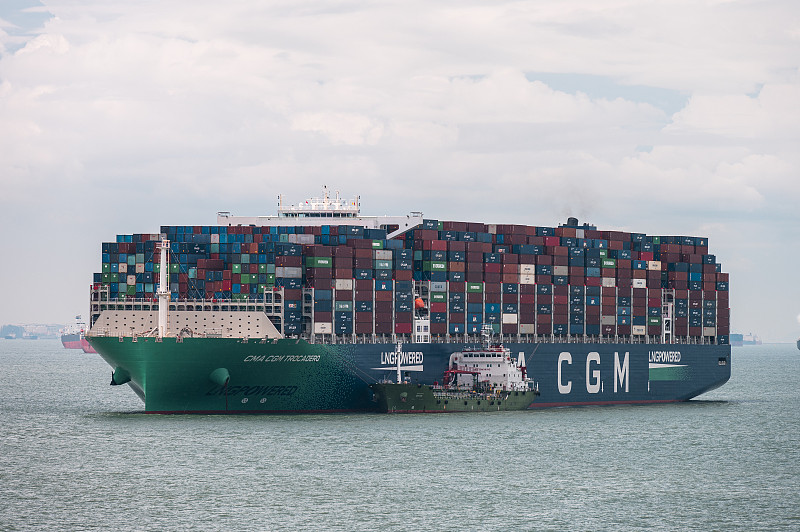
In global trade, manufacturers rely heavily on stable and efficient logistics systems to support long-term business growth. For export-oriented factories in China, choosing a reliable freight forwarder is not just about shipping goods—it is about building a long-term international supply chain partnership.
A professional China freight forwarder provides more than transportation services. It offers complete logistics solutions that help foreign trade manufacturers reduce costs, improve efficiency, and maintain stable global customer relationships.
This article explains why freight forwarding is essential for manufacturers and how to choose the right long-term logistics partner in China.
Why Manufacturers Need a Long-Term Freight Forwarding Partner
Foreign trade manufacturers deal with continuous export shipments, often to multiple countries and customers. Without a stable logistics partner, they may face:
- Unstable shipping rates
- Delayed deliveries
- Customs clearance issues
- Communication gaps with overseas buyers
- Supply chain disruptions
A long-term freight forwarder helps eliminate these risks by providing consistent logistics support.
Key Roles of a China Freight Forwarder for Manufacturers
1. Supply Chain Integration
A freight forwarder integrates directly into the manufacturer’s production and shipping schedule, ensuring:
- Timely cargo pickup from factory
- Coordinated shipping schedules
- Efficient inventory flow management
This helps avoid warehouse congestion and production delays.
2. Export Customs Management
Manufacturers often export large volumes of goods, making customs compliance essential. Freight forwarders handle:
- Export declaration preparation
- HS code classification
- Compliance documentation
- Inspection coordination
Proper customs management ensures smooth cross-border shipping.
3. International Transportation Solutions
Freight forwarders provide multiple shipping options depending on cargo type:
- Sea freight (FCL and LCL) for bulk goods
- Air freight for urgent shipments
- Multimodal transport for complex routes
This flexibility helps manufacturers serve different market needs.
4. Cost Optimization and Stability
A long-term freight forwarder helps manufacturers control logistics costs by:
- Securing stable shipping contracts
- Offering bulk shipping discounts
- Reducing hidden charges
- Optimizing route planning
Cost stability is critical for competitive pricing in global markets.
Common Shipping Needs of Foreign Trade Manufacturers
Manufacturers in China typically export:
- Industrial machinery and components
- Electronics and electrical equipment
- Consumer goods and packaging materials
- Automotive parts
- Chemical and raw materials
Each product category requires different logistics handling and compliance standards.
Challenges Faced Without a Reliable Freight Forwarder
Manufacturers without a stable logistics partner may experience:
- Unpredictable shipping delays
- Frequent customs clearance issues
- High logistics costs during peak seasons
- Poor communication with overseas clients
- Lack of shipment tracking visibility
These problems can damage long-term business relationships.
What Makes a Good Freight Forwarder for Manufacturers
1. Industry Experience
The forwarder should understand manufacturing supply chains and production cycles.
2. Strong Global Network
Ability to ship to major markets such as:
- United States
- Europe
- Southeast Asia
- Middle East
- South America
3. Stable Carrier Partnerships
Ensures consistent container space and reliable transit schedules.
4. Transparent Communication
Clear updates on shipping status, pricing, and customs progress.
5. End-to-End Service Capability
Including pickup, export clearance, shipping, import support, and final delivery.
Benefits of Long-Term Cooperation with Freight Forwarders
Working with a stable logistics partner provides:
- Consistent shipping performance
- Lower overall logistics costs
- Faster problem resolution
- Improved customer satisfaction
- Stronger international market competitiveness
This is especially important for manufacturers with long-term export strategies.
Best Practices for Manufacturers
To maximize logistics efficiency, manufacturers should:
- Build long-term partnerships with freight forwarders
- Share production schedules in advance
- Standardize packaging and documentation
- Monitor logistics performance regularly
- Continuously optimize shipping routes
These practices help improve supply chain stability.
Conclusion
For foreign trade manufacturers, a reliable China freight forwarder is not just a service provider—it is a strategic logistics partner. From customs clearance and transportation to cost control and global delivery, the right freight forwarder ensures smooth international operations.
By building long-term cooperation with an experienced logistics partner, manufacturers can achieve stable exports, reduced risks, and sustainable growth in the global market.