


Introduction
In today’s interconnected world, the global supply chain depends on speed, coordination, and reliability. Businesses that import or export goods need logistics systems that can move products efficiently across continents.
An efficient China international logistics network for global supply chain plays a critical role in keeping international trade running smoothly. With advanced infrastructure, strong shipping routes, and integrated transport systems, China has become one of the most important logistics hubs in the world.
This article explains how China’s logistics network works, why it is efficient, and how it supports global supply chains.
What Is an Efficient Logistics Network?
An efficient logistics network is a well-connected system that ensures goods move quickly and smoothly from origin to destination with minimal delays and cost.
In China, this network includes:
- Major international ports and airports
- Rail freight corridors
- Road transportation systems
- Warehousing and distribution centers
- Customs clearance hubs
- Digital tracking and management platforms
Together, these components create a highly coordinated global logistics system.
Why China’s Logistics Network Is So Efficient
1. Advanced Infrastructure
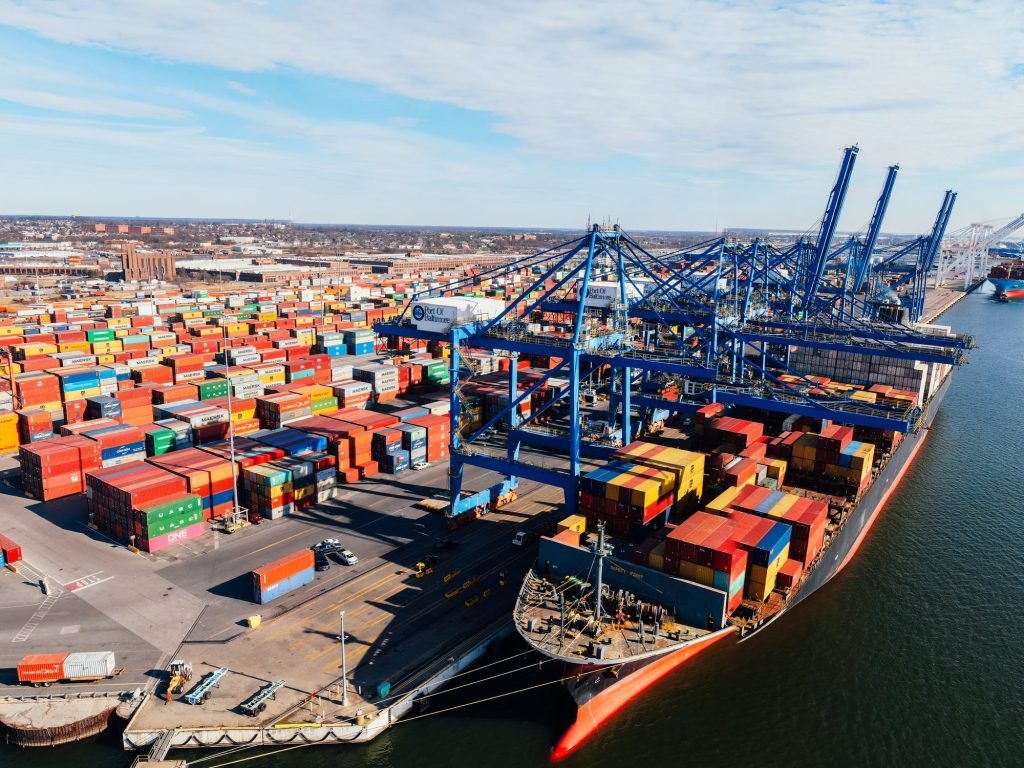
China has some of the busiest and most advanced ports in the world, including Shanghai, Shenzhen, and Ningbo. These hubs handle massive cargo volumes daily with high efficiency.
2. Integrated Transport Systems
Sea, air, rail, and road transportation are fully connected, allowing seamless cargo movement across different regions.
3. High Export Volume
Large-scale manufacturing and exports create constant shipping demand, which improves efficiency through economies of scale.
4. Strong Digital Logistics Systems
Modern logistics platforms use real-time tracking, automated scheduling, and data-driven route optimization.
5. Experienced Supply Chain Workforce
China has a highly developed logistics industry with skilled freight forwarders, customs agents, and warehouse operators.
Key Components of China’s International Logistics Network
1. Ocean Freight Network
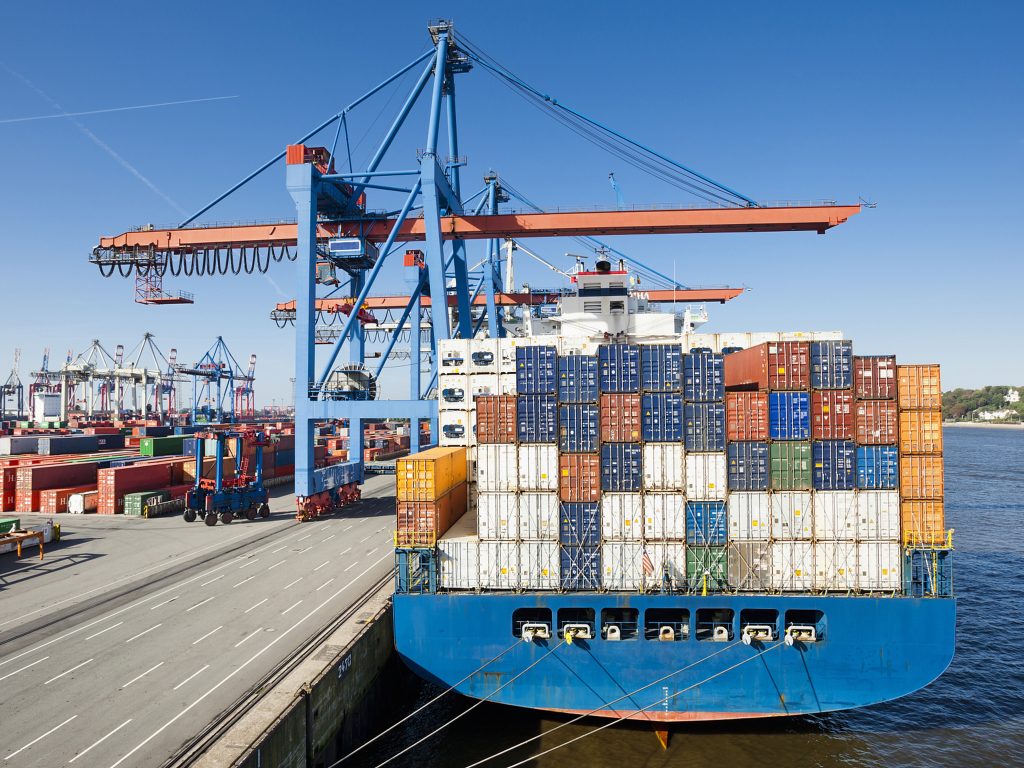
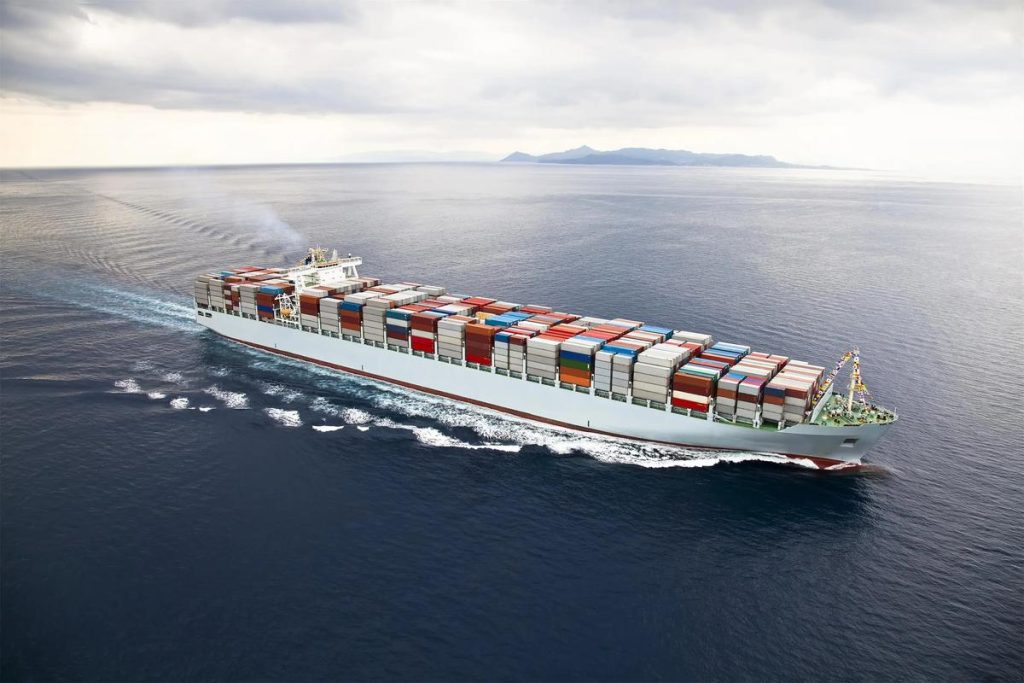
Sea freight is the backbone of global trade.
China’s ports connect to major international shipping routes across:
- Europe
- North America
- Southeast Asia
- Middle East
- Africa
It is widely used for bulk cargo, machinery, and industrial goods.
2. Air Cargo Network
Air freight provides fast global delivery for time-sensitive goods.
Key airports include:
- Shanghai Pudong International Airport
- Guangzhou Baiyun International Airport
- Beijing Capital International Airport
Air cargo is essential for electronics, medical supplies, and high-value products.
3. Rail Freight Corridors
China-Europe railway routes have significantly improved land-based logistics.
They offer:
- Faster transit than sea freight
- Lower cost than air freight
- Stable cross-border connectivity
This is especially important for trade between China and Europe.
4. Domestic Distribution System
Efficient inland transportation ensures smooth movement from factories to ports and airports.
It includes:
- Highway freight trucking
- Regional distribution centers
- Cross-province logistics hubs
5. Warehousing and Fulfillment Centers
Warehousing plays a key role in supply chain efficiency.
Services include:
- Inventory management
- Order processing
- Packaging and labeling
- Cross-border fulfillment
These systems support both e-commerce and industrial shipping.
How the Logistics Network Supports the Global Supply Chain
1. Faster Product Movement
Efficient coordination between transport modes reduces delays and improves delivery speed.
2. Lower Supply Chain Costs
Optimized routes and high shipping volume help reduce overall logistics expenses.
3. Better Inventory Management
Real-time tracking allows businesses to manage stock levels more effectively.
4. Improved Global Connectivity
China’s logistics network connects manufacturers directly with global markets.
5. Stable Supply Chain Operations
Strong infrastructure reduces disruptions caused by delays or bottlenecks.
Role of Technology in Logistics Efficiency
1. Real-Time Tracking Systems
Businesses can monitor shipments at every stage of transportation.
2. AI-Based Route Optimization
Artificial intelligence helps select the fastest and most cost-effective shipping routes.
3. Automated Warehousing
Robotics and automation improve storage and order processing speed.
4. Digital Customs Platforms
Electronic documentation speeds up customs clearance procedures.
Challenges in Global Supply Chains
1. Shipping Delays
Caused by weather, port congestion, or customs inspections.
2. Rising Freight Costs
Fuel prices and demand fluctuations affect shipping rates.
3. Complex Regulations
Different countries have different import/export requirements.
4. Coordination Across Multiple Partners
Managing different logistics providers can lead to inefficiencies.
How China’s Logistics Network Solves These Challenges
1. Integrated Supply Chain Systems
All transport modes are connected for smooth coordination.
2. Large-Scale Infrastructure
High-capacity ports and airports reduce congestion risks.
3. Experienced Logistics Providers
Professional freight forwarders handle complex international requirements.
4. Flexible Shipping Options
Businesses can choose air, sea, rail, or express based on urgency and cost.
Industries That Rely on China’s Logistics Network
1. E-Commerce Industry
Online sellers depend on fast global shipping and fulfillment services.
2. Manufacturing and Export
Factories rely on bulk shipping for global distribution.
3. Electronics Industry
Fast logistics is critical for high-tech and time-sensitive products.
4. Retail and Wholesale Trade
Distributors use logistics networks for large-scale international supply chains.
Future of China’s Global Logistics Network
The logistics industry continues to evolve with innovations such as:
- Smart logistics automation
- AI-driven supply chain forecasting
- Green and low-carbon transportation systems
- Blockchain-based shipment transparency
- Fully digital trade platforms
These advancements will further improve global supply chain efficiency.
Conclusion
An efficient China international logistics network for global supply chain is a key driver of international trade. With advanced infrastructure, integrated transport systems, and modern technology, China continues to play a central role in connecting global markets.
For businesses involved in import and export, leveraging this efficient logistics network means faster delivery, lower costs, and more reliable supply chain performance.
Call to Action
If your business depends on global shipping, working with a logistics provider that operates within China’s efficient international network can help you improve supply chain stability, reduce costs, and expand your global reach.