

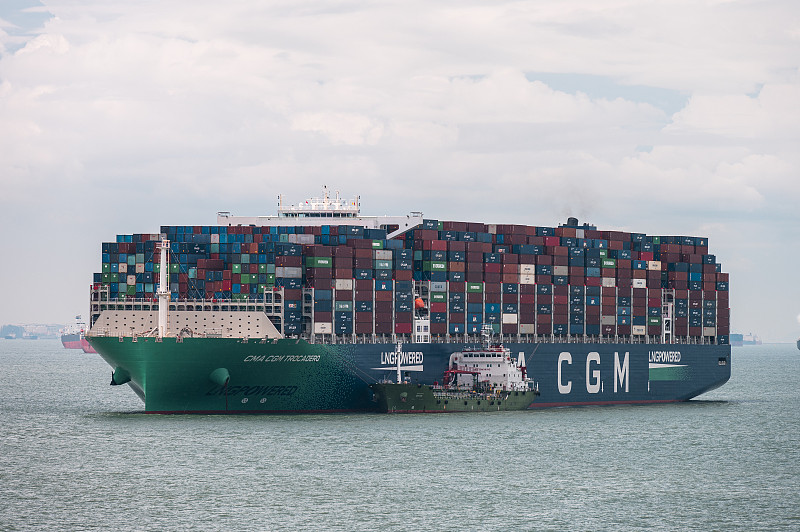
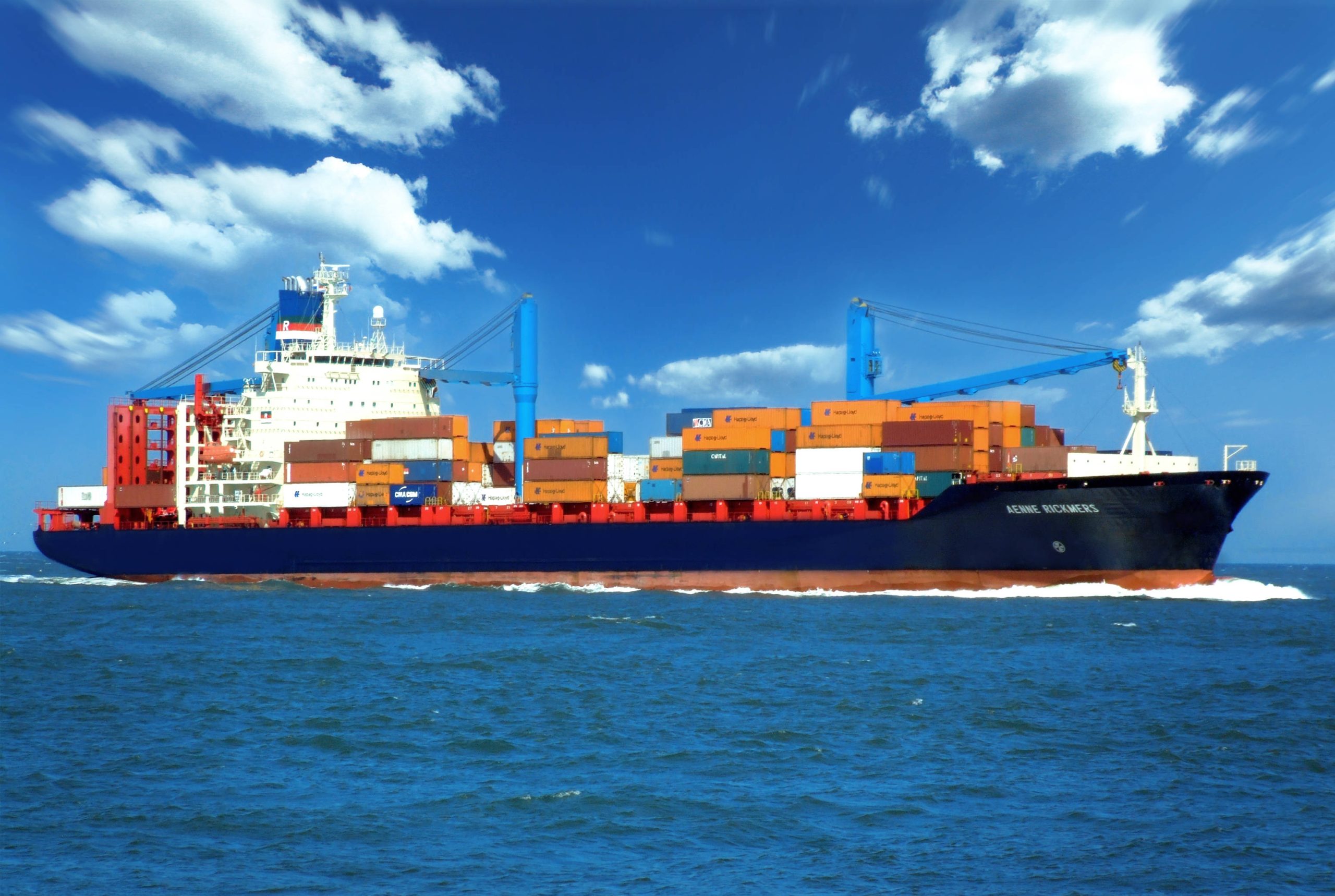

In the hierarchy of global logistics, the movement of standard consumer goods is a routine exercise. But when the cargo weighs 80 tons, stands four stories tall, or stretches beyond the length of a basketball court, the rules of conventional shipping dissolve. This is the specialized world of heavy lift and project cargo, where the margin for error is zero and the consequences of failure are measured in millions of dollars. For industries reliant on massive infrastructure—power generation, mining, oil and gas, and construction—securing a trusted heavy lift cargo ocean freight forwarder for oversized machinery from Tianjin is not a procurement decision; it is a strategic imperative.
Tianjin, strategically positioned at the head of the Bohai Gulf, is China’s primary gateway for heavy industry and energy equipment. Its deep-water ports and specialized heavy-lift terminals serve as the departure point for the colossal machinery that builds the world’s infrastructure. Transporting a 200-ton power transformer or a 150-meter wind turbine tower from a factory in the interior to a port in Tianjin, and then across the ocean to a remote project site, requires a level of expertise that transcends standard freight forwarding. It requires a partner who understands the confluence of mechanical engineering, naval architecture, and regulatory compliance.
The defining characteristic of a trusted heavy lift forwarder is their obsession with pre-shipment engineering. Unlike standard cargo, where dimensions are predictable, oversized machinery presents unique challenges. A trusted forwarder begins with a site survey at the manufacturer’s facility. They analyze the center of gravity, the structural integrity of the lifting points, and the distribution of weight across the machinery’s frame. For instance, shipping a hydroelectric turbine rotor requires designing a custom cradle that distributes the immense weight without stressing the delicate internal components. This is not a task for a generic logistics provider; it requires engineers who speak the language of metallurgy and physics.
The next critical phase is route and permit planning. Moving an oversized load from the factory to the Port of Tianjin is a logistical ballet involving police escorts, road closures, and bridge reinforcements. A trusted forwarder has established relationships with local transportation bureaus to secure the necessary wide-load permits. They utilize specialized multi-axle hydraulic modular trailers (SPTs) that can distribute the cargo weight to meet road load limits. They plan the route meticulously, identifying low-hanging power lines, weak bridges, and narrow tunnels that could impede the convoy. This level of domestic logistics is invisible to the end client but is the foundation of a successful shipment.
At the port, the complexity intensifies. Tianjin offers specialized heavy-lift berths equipped with gantry cranes capable of lifting hundreds of tons. A professional forwarder coordinates the stevedoring operations, ensuring that the vessel’s stability is maintained during loading. Loading a 400-ton reactor onto a deck cargo ship is a delicate operation. The stowage plan must account for the ship’s trim and stability; improper loading can compromise the vessel’s seaworthiness. The forwarder utilizes advanced software to model the load distribution and lashing requirements, adhering to the stringent standards of the International Maritime Organization (IMO) and classification societies like DNV or Lloyd’s Register.
Beyond the physical handling, a trusted forwarder excels in regulatory navigation and compliance. Oversized machinery often incorporates dual-use technologies or components subject to export controls. A professional forwarder manages the complex documentation, including certificates of origin, detailed engineering drawings, and packing lists that itemize every component. They navigate the intricacies of Chinese export licensing, ensuring that the shipment complies with national security regulations. Furthermore, they prepare the destination-specific import documentation, anticipating the requirements of the receiving country’s customs and port authorities.
Risk management is the cornerstone of a heavy lift operation. Standard marine cargo insurance is often inadequate for high-value, high-risk items. A trusted forwarder works with specialized underwriters to secure “all risks” coverage that includes war risks, strikes, and the specific perils associated with heavy lift operations. They also implement contingency planning. What happens if the designated heavy-lift crane at the discharge port is out of service? What if the receiving country experiences political instability? A professional forwarder has backup plans, including alternative discharge ports and specialized discharge equipment, to ensure the project stays on schedule.
Visibility and communication are paramount. Project managers on the ground in the destination country require real-time updates. A trusted forwarder provides a dedicated project manager who serves as the single point of contact. They utilize satellite tracking and provide regular reports on the cargo’s condition and location. This transparency allows project managers to coordinate the arrival of installation crews, heavy-lift cranes, and foundations, ensuring that the site is ready the moment the cargo arrives.
Consider the logistics of shipping a complete cement production line from Tianjin to a remote port in Southeast Asia. This is not a single shipment but a series of shipments involving hundreds of individual pieces, some weighing over 100 tons. A trusted heavy lift specialist breaks down the project into phases. They charter a suitable multi-purpose vessel with heavy-lift capabilities. They coordinate the sequential loading of components—kilns first, followed by pre-heaters, then mills—to ensure they can be unloaded in the order required for assembly. They manage the interface between the ocean vessel and the lightering craft used to discharge cargo at a port with limited draft.
In conclusion, the movement of oversized machinery from Tianjin is an exercise in controlled complexity. It requires a partner who views logistics as a form of industrial engineering. The cheapest quote is almost always the most expensive choice in this sector, as the cost of a damaged transformer or a delayed turbine far outweighs the savings on freight. A trusted heavy lift cargo ocean freight forwarder provides peace of mind through precision, planning, and an unwavering focus on the unique requirements of heavy industry. For any enterprise embarking on a major infrastructure project, this expertise is the ultimate insurance policy.