

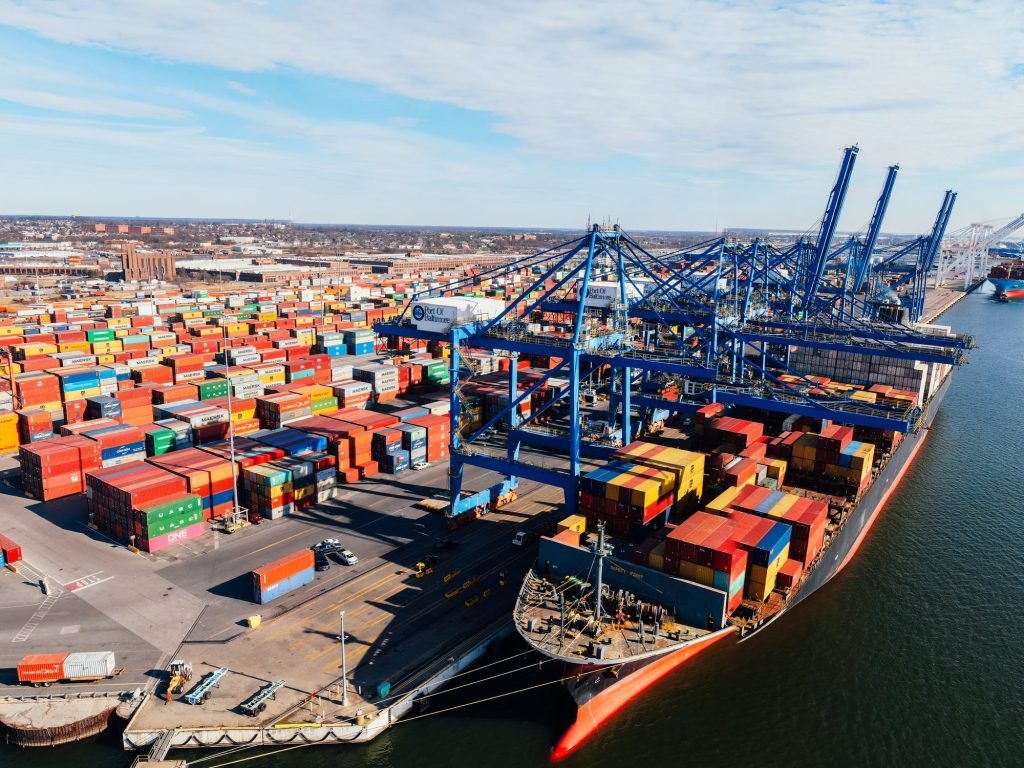
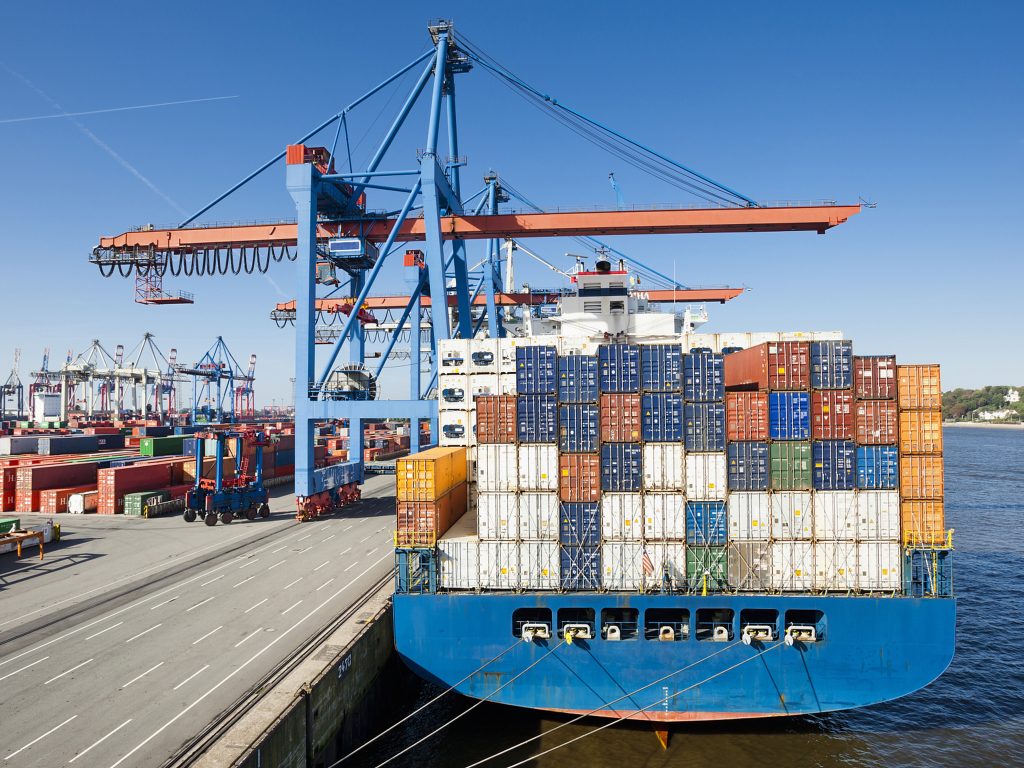
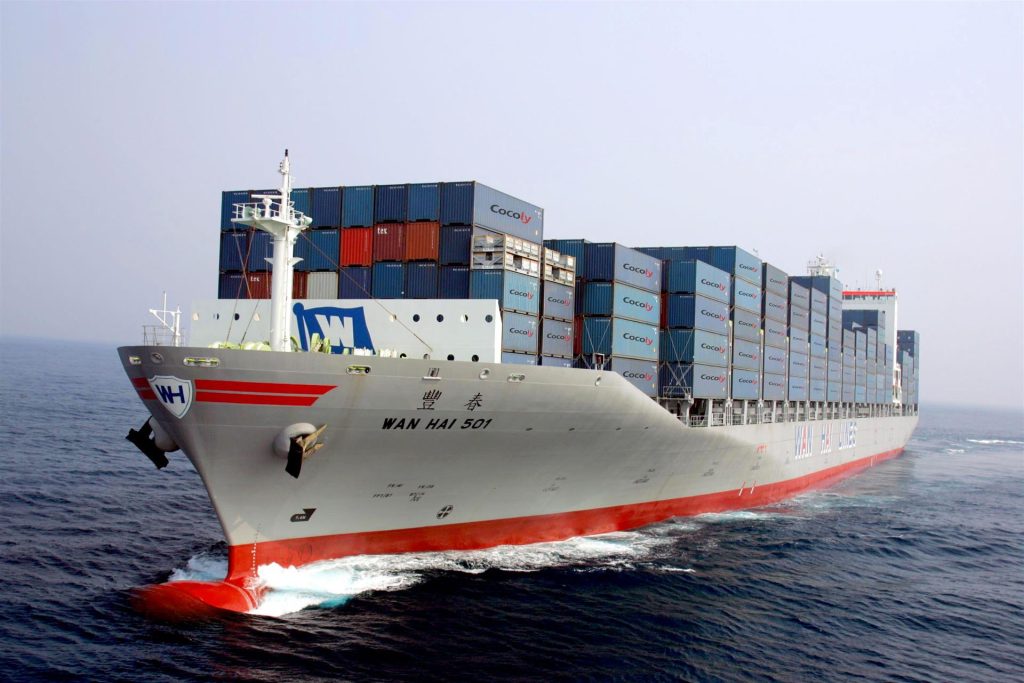
The allure of the Mexican market is undeniable. With the rise of nearshoring and the USMCA trade agreement, Mexico has become a manufacturing powerhouse and a massive consumer market. For businesses importing from China, the route from the factories of the Pearl River Delta to the industrial hubs of Monterrey or Mexico City is a vital artery. However, the traditional Ex Works (EXW) or Free on Board (FOB) shipping models often leave importers exposed to a minefield of unexpected fees, complex customs regulations, and logistical nightmares. This is where a hassle-free Delivered Duty Paid (DDP) sea freight service from China to Mexico becomes not just a convenience, but a strategic imperative for protecting margins and sanity.
DDP, or Delivered Duty Paid, represents the highest level of service a freight forwarder can offer. Under Incoterms 2020, the seller or the appointed logistics provider assumes all risks and costs associated with delivering goods to the named place of destination. This includes freight, insurance, export and import formalities, payment of duties, taxes, and final delivery to the consignee’s door. For the Mexican market, which is notorious for its complex tax regime and bureaucratic customs procedures, DDP is the ultimate shield for the importer.
The primary advantage of a DDP sea freight service is financial predictability. When shipping to Mexico under standard terms, a container might arrive at the Port of Manzanillo or Lázaro Cárdenas, only for the importer to be hit with a massive “landing cost” bill. This includes Import Value Added Tax (VAT or IVA), which is typically 16%, and the Import Duty (Derecho de Trámite Aduanal), along with customs brokerage fees and terminal handling charges. A professional DDP forwarder calculates all these costs upfront and incorporates them into a single, all-inclusive quote. The importer pays one price in China and receives a call when the goods are ready for unloading at their warehouse in Mexico. There are no surprises, no hidden fees, and no cash flow disruptions to pay Mexican customs bonds.
The second pillar of a hassle-free experience is regulatory navigation. Mexican customs (Aduana) is one of the most rigorous in Latin America. They require a valid RFC (Registro Federal de Contribuyentes) number, a digital signature (e.firma), and a complex set of pedimentos (customs entry documents). Furthermore, Mexico has strict rules regarding labeling (NOM labels) for textiles, electronics, and toys. A DDP provider acts as the Importer of Record (IOR). They utilize their own Mexican entity to clear customs, ensuring that the importer’s own tax ID is not put at risk due to minor infractions. This is particularly valuable for e-commerce sellers or small businesses that may not have a physical presence in Mexico but wish to store inventory there.
Logistically, a DDP service integrates the last-mile delivery seamlessly. Once the container is cleared through customs, the forwarder manages the drayage to the final destination. In Mexico, inland transportation carries risks ranging from cargo theft to security checkpoints. A professional DDP forwarder utilizes GPS-tracked trucks, vetted drivers, and often, security escorts for high-value shipments. They handle the complexities of delivering to urban centers like Mexico City, where traffic is gridlocked, or to industrial parks in Querétaro, where strict delivery appointment windows are enforced. By managing the entire chain, they eliminate the finger-pointing that often occurs between the ocean carrier, the customs broker, and the local trucker.
Consider the case of a furniture retailer importing from Shenzhen to Guadalajara. Under a standard FOB term, the retailer would pay for the ocean freight to Manzanillo, hire a customs broker to clear the goods (paying duties and taxes), and then find a trucker to move the furniture inland. If the customs valuation is challenged, the container sits at the port accruing demurrage. If the trucker is late for the delivery appointment, the warehouse refuses the shipment. With a DDP service, the forwarder guarantees the delivery date. If the container is delayed at the port, the forwarder pays the penalties. If the truck breaks down, the forwarder sends another. The risk is entirely transferred to the logistics provider.
Furthermore, a sophisticated DDP forwarder provides inventory financing and flexibility. Since they are acting as the importer of record and have already paid the duties, they can offer services like transloading and temporary warehousing. If the final delivery location is not ready, the forwarder can hold the goods in a bonded warehouse in Mexico until the client is prepared to receive them. This flexibility is invaluable for businesses managing seasonal inventory or fluctuating demand.
The “hassle-free” aspect also extends to returns management. In traditional shipping, returning defective goods to China is a logistical nightmare involving export permits from Mexico and import permits back into China. A DDP forwarder often has reverse logistics capabilities. They can manage the return of goods within Mexico or coordinate their disposal in accordance with Mexican environmental laws, saving the importer from legal liabilities.
To achieve this level of service, the forwarder must have a robust infrastructure in both China and Mexico. They must have a physical office or a trusted agent in the origin city (e.g., Yiwu or Shenzhen) to inspect the cargo and ensure it matches the commercial invoice. Simultaneously, they must have a licensed customs broker in Mexico with a deep understanding of the specific Product Classification (Fracción Arancelaria). Misclassifying a product can lead to anti-dumping duties, which can be as high as 300% for certain Chinese goods like steel or textiles. A professional DDP provider guarantees the correct classification, shielding the client from these extreme costs.
In conclusion, a hassle-free DDP sea freight service from China to Mexico is the gold standard for modern importers. It transforms a complex, multi-party transaction into a simple, single-point-of-contact operation. By bundling freight, duties, taxes, and delivery into one predictable cost, it allows businesses to focus on sales and growth rather than the minutiae of international logistics. In a market as challenging and rewarding as Mexico, outsourcing the risk and complexity to a capable DDP partner is not just smart logistics; it is a fundamental business strategy for survival and success.