

The Cold Chain Imperative: Selecting the Best Reefer Container Shipping Company from Qingdao to the Middle East
The movement of perishable goods across continents is a race against biology. For exporters shipping from the frigid storage facilities of Qingdao to the scorching heat of the Middle East, the margin for error is measured in hours, not days. Whether transporting premium seafood, fresh produce, or temperature-sensitive pharmaceuticals, the choice of a reefer (refrigerated) container shipping company is the single most critical decision determining whether the cargo arrives as a saleable asset or a rotting liability. In the high-stakes corridor between China and the Gulf States, being the “best” is not about having the largest fleet; it is about mastering the science of thermal dynamics, electrical reliability, and logistical precision.
Qingdao is China’s premier gateway for cold chain logistics, serving as the hub for Shandong’s vast agricultural output and seafood industry. The Middle East, particularly the United Arab Emirates, Saudi Arabia, and Qatar, represents a market of immense wealth but extreme environmental challenges. The region’s ambient temperatures, which regularly exceed 45°C (113°F) in the summer months, place extraordinary stress on refrigerated containers. A standard reefer container is a complex piece of machinery, essentially a large refrigerator plugged into a ship’s power grid. If the power fails, or if the insulation is compromised, the temperature inside can rise from -18°C to unsafe levels in minutes.
The best reefer shipping companies distinguish themselves first through equipment integrity and pre-trip inspection (PTI). A professional operator understands that a reefer is not just a metal box; it is a calibrated ecosystem. Before a single pallet enters the container, a rigorous PTI must be conducted. This involves checking the compressor, the condenser coils, and the airflow systems. In Qingdao, where humidity is high, the best companies ensure that the container is thoroughly dried to prevent condensation (sweat) from forming on the cargo, which can lead to mold and spoilage. They verify the T-bar flooring is clear of debris to ensure proper air circulation underneath the cargo, a detail often overlooked by mediocre providers.
Temperature control is only half the battle; atmosphere control is the other. For many perishable goods, such as apples or avocados, controlling oxygen and carbon dioxide levels is vital. The best shipping companies offer Controlled Atmosphere (CA) or Modified Atmosphere (MA) containers. These high-tech units regulate the mix of gases inside the container to slow down respiration and ripening. When shipping to the Middle East, where transit times can range from 18 to 25 days, this technology is the difference between delivering crisp fruit and delivering mush. A top-tier forwarder will consult with the shipper to determine the exact atmospheric settings required for the specific commodity, ensuring the “shelf life” is maximized upon arrival.
The logistical journey from Qingdao to the Middle East is fraught with thermal hazards. The “cold chain” must never be broken. This starts at the stuffing facility. The best companies mandate that stuffing occurs in a temperature-controlled environment. Loading a reefer in the open sun of Qingdao, even for a few hours, can raise the core temperature of the cargo. Furthermore, they utilize specialized chassis with generators (gensets) for the land leg of the journey. If the truck carrying the reefer from the warehouse to the port experiences a generator failure, the cargo is compromised. Elite providers monitor the power status of their gensets in real-time via GPS and IoT sensors.
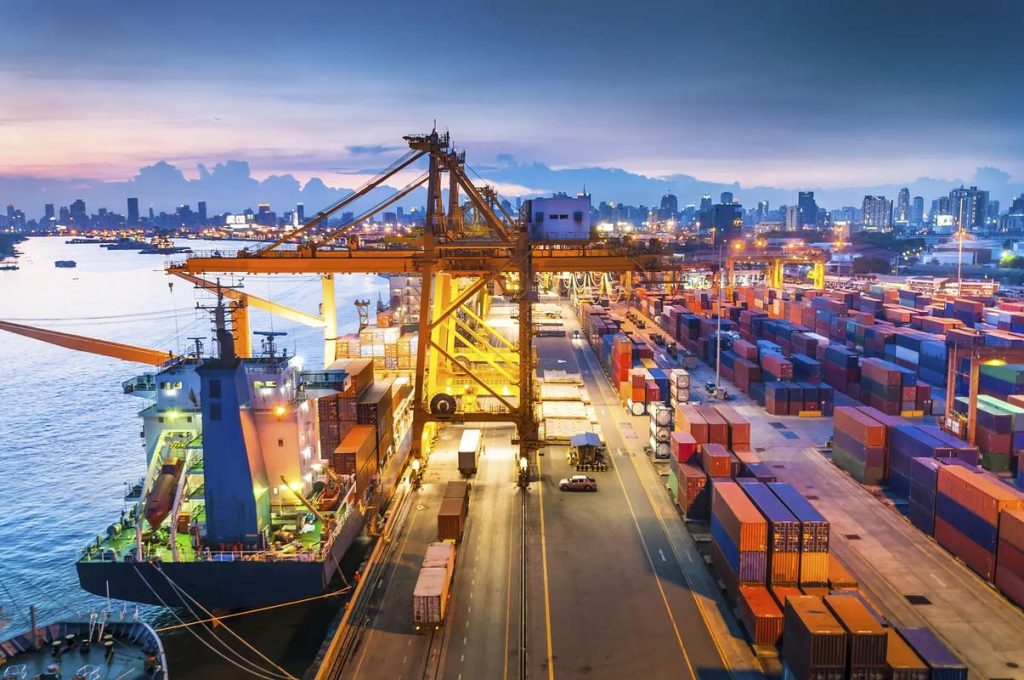
Upon arrival at the ports of Jebel Ali (Dubai) or Dammam (Saudi Arabia), the challenge intensifies. These ports are gateways to deserts. The best shipping companies have priority access to “reefer plugs” on the vessel and in the terminal. Congestion in the Middle East is a chronic issue. If a vessel is delayed and the reefer containers are left stacked on the quay without power, the cargo will perish. A superior shipping partner has established relationships with terminal operators to ensure their reefers are the first to be connected to shore power or discharged from the ship. They also coordinate closely with local customs to ensure that inspections are conducted in refrigerated inspection rooms, rather than leaving the doors open in the desert heat.
Documentation and compliance are equally critical. Different commodities have different import requirements. For instance, importing dairy products into Saudi Arabia requires specific halal certifications and health certificates that must be presented alongside the bill of lading. The best reefer shipping companies employ specialized documentation teams who understand the phytosanitary regulations of the Gulf Cooperation Council (GCC). They ensure that the temperature logs recorded by the reefer’s onboard data logger match the documentation. Any discrepancy—a single spike in temperature during transit—can give customs officials grounds to reject the entire shipment.
Risk mitigation through insurance is another hallmark of a top-tier provider. Standard marine cargo insurance often excludes spoilage unless it is proven that the carrier was negligent. The best companies offer specialized “all risks” coverage that includes inherent vice and temperature abuse. They provide the shipper with the raw data from the reefer’s controller, creating an indisputable record of the cargo’s condition throughout the voyage. This transparency builds trust and provides legal protection in the event of a claim.
Consider the case of a Qingdao-based exporter of live king crab to Dubai. The crabs must be kept in a specific saline solution at near-freezing temperatures. A standard reefer is insufficient; it requires a specialized tank container with oxygenation systems. The best shipping company for this task is not the one with the cheapest rate, but the one with the engineering expertise to maintain the delicate balance of temperature, salinity, and oxygen. They provide a dedicated reefer technician to monitor the shipment daily and communicate with the consignee in Dubai to ensure immediate pickup upon arrival.
In conclusion, selecting the best reefer container shipping company from Qingdao to the Middle East is an exercise in risk management. It requires a partner who views the container as a living organism that needs constant care. The cost of a premium service is negligible compared to the cost of losing an entire container of high-value perishables. For any business serious about exporting food or pharmaceuticals to the Gulf, the choice of a reefer specialist is the ultimate determinant of success. It is a commitment to preserving quality, safety, and profitability in one of the most demanding environments on earth.