

The Architecture of Heavy Lift: Engineering Project Success with Break Bulk Specialists from China
In the grand theater of global logistics, the movement of standard consumer goods is a well-rehearsed play. Containers are stacked, ships are loaded, and schedules are maintained with algorithmic precision. However, when the cargo in question is a 120-ton power transformer, a set of prefabricated chemical processing units, or the components for a wind farm, the script is thrown out entirely. This is the domain of project cargo and break bulk shipping—a high-stakes discipline where failure is measured not in days delayed, but in millions of dollars lost. For businesses undertaking massive infrastructure projects, sourcing from China, and requiring an experienced break bulk cargo ocean freight specialist is not a luxury; it is the structural foundation of the entire endeavor.
China has cemented its position as the world’s factory for heavy industry and energy infrastructure. From the heavy industrial zones of Shanghai and Tianjin to the manufacturing hubs in the interior, the country produces the colossal machinery that powers the developing world. Transporting these assets from a factory in Wuxi to a remote construction site in Africa or South America is a feat of engineering that begins long before the first sling is attached. It requires a specialist who speaks the language of both logistics and mechanical engineering.
The defining characteristic of break bulk and project cargo is its non-standardization. Unlike containerized freight, these shipments do not conform to a universal size or weight. A single piece of cargo might exceed the dimensional limits of a standard container or weigh more than the maximum payload of a 40-foot high cube. This is where the expertise of a specialist becomes critical. They must perform a detailed engineering survey of the cargo, analyzing the center of gravity, lifting points, and structural integrity. For instance, shipping a gas turbine requires calculating the exact stress points to design a custom cradle or spreader bar. A general freight forwarder sees a large box; a project cargo specialist sees a multi-million dollar asset that must be handled with surgical precision.
The journey begins at the factory gate in China. Transporting an oversized load on Chinese roads requires special permits and often police escorts. A seasoned specialist coordinates with local authorities to plan the route, identifying low bridges, weak overpasses, and narrow turns that could impede progress. They utilize specialized hydraulic modular trailers—often with dozens of axles—to distribute the weight of the cargo evenly, protecting both the equipment and the road infrastructure. This level of domestic logistics is invisible to the client but is the first hurdle in preventing project delays.
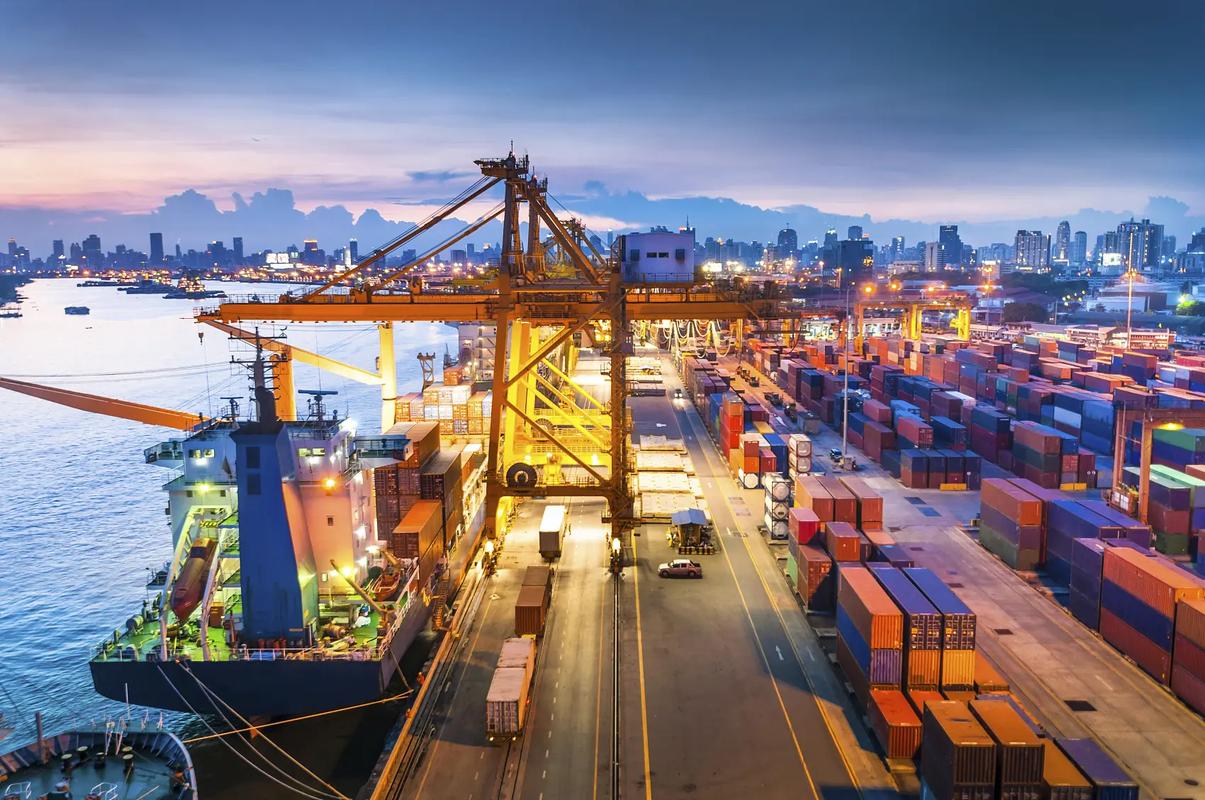
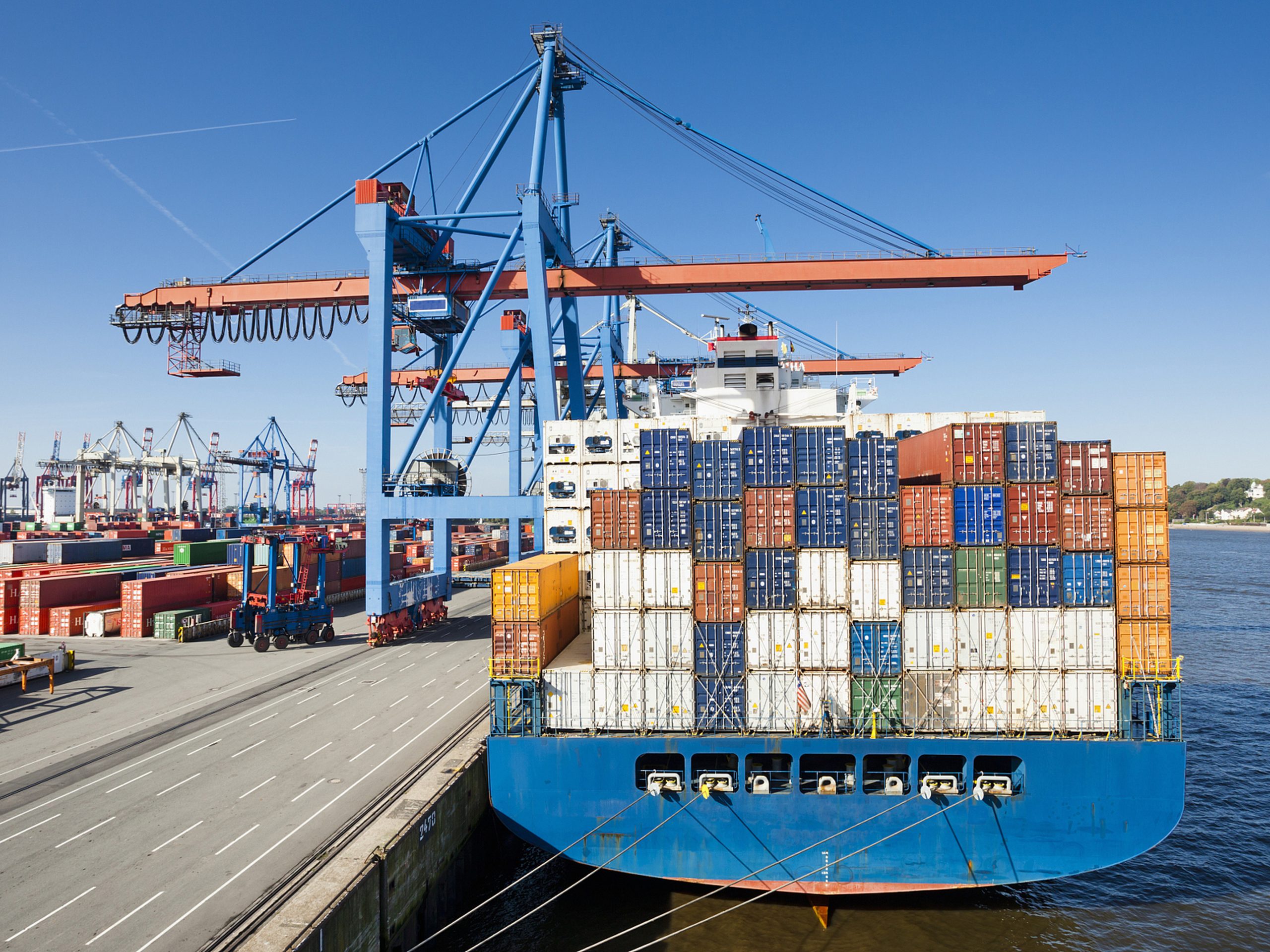
Once the cargo reaches the port—be it Tianjin, Shanghai, or Ningbo—the complexity intensifies. Break bulk shipping does not utilize the standardized processes of container terminals. It requires specialized heavy-lift cranes, often with capacities exceeding 500 tons. An experienced specialist has established relationships with terminal operators and owns the specialized lifting gear required. They understand the tidal patterns and weather windows necessary for safe loading. Loading a 200-ton reactor onto a vessel is a delicate dance of physics and timing. The stowage plan must account for the ship’s stability; placing too much weight in one area can compromise the vessel’s seaworthiness. The specialist uses advanced software to create a lashing and securing plan that meets the rigorous standards of the International Maritime Organization (IMO) and classification societies like DNV or Lloyd’s Register.
Customs clearance for project cargo is another labyrinthine process. Unlike standard goods, project equipment often qualifies for temporary import bonds or specific duty exemptions depending on the destination country. A specialist forwarder manages the complex documentation, including certificates of origin, detailed engineering drawings, and packing lists that specify every bolt and nut. They navigate the intricacies of Chinese export controls on dual-use technologies, ensuring that the shipment does not get flagged for items that could be used in military applications.
Risk management is the cornerstone of a cost-effective project cargo solution. Standard marine cargo insurance is often insufficient for high-value, high-risk items. A specialist works with niche underwriters to secure “all risks” coverage that includes war risks, strikes, and the specific perils associated with heavy lift operations. They also implement contingency planning. What happens if the port of discharge is congested? What if the receiving country experiences civil unrest? A professional specialist has backup plans, including alternative discharge ports and overland routing options, to ensure the project stays on schedule.
Communication and visibility are paramount. Project managers on the ground in the destination country need real-time updates. An experienced specialist provides a dedicated project manager who serves as the single point of contact. They utilize satellite tracking and provide regular reports on the cargo’s condition, temperature (if sensitive), and location. This transparency allows project managers to coordinate the arrival of installation crews, cranes, and foundations, ensuring that the site is ready the moment the cargo arrives.
Consider the logistics of shipping a complete sugar mill from China to Indonesia. This is not a single shipment but a series of shipments involving hundreds of individual pieces, some weighing over 100 tons. An experienced break bulk specialist breaks down the project into phases. They charter a suitable multipurpose vessel with heavy-lift capabilities. They coordinate the sequential loading of components—boilers first, followed by turbines, then piping—to ensure they can be unloaded in the order required for assembly. They manage the interface between the ocean vessel and the lightering craft used to discharge cargo at a remote river port with limited draft.
In conclusion, the movement of project cargo from China is an exercise in controlled complexity. It requires a partner who views logistics as a form of industrial engineering. The cheapest quote is almost always the most expensive choice in this sector, as the cost of a damaged transformer or a delayed turbine far outweighs the savings on freight. An experienced break bulk cargo ocean freight specialist provides peace of mind through precision, planning, and an unwavering focus on the unique requirements of heavy industry. For any enterprise embarking on a major infrastructure project, this expertise is the ultimate insurance policy.