

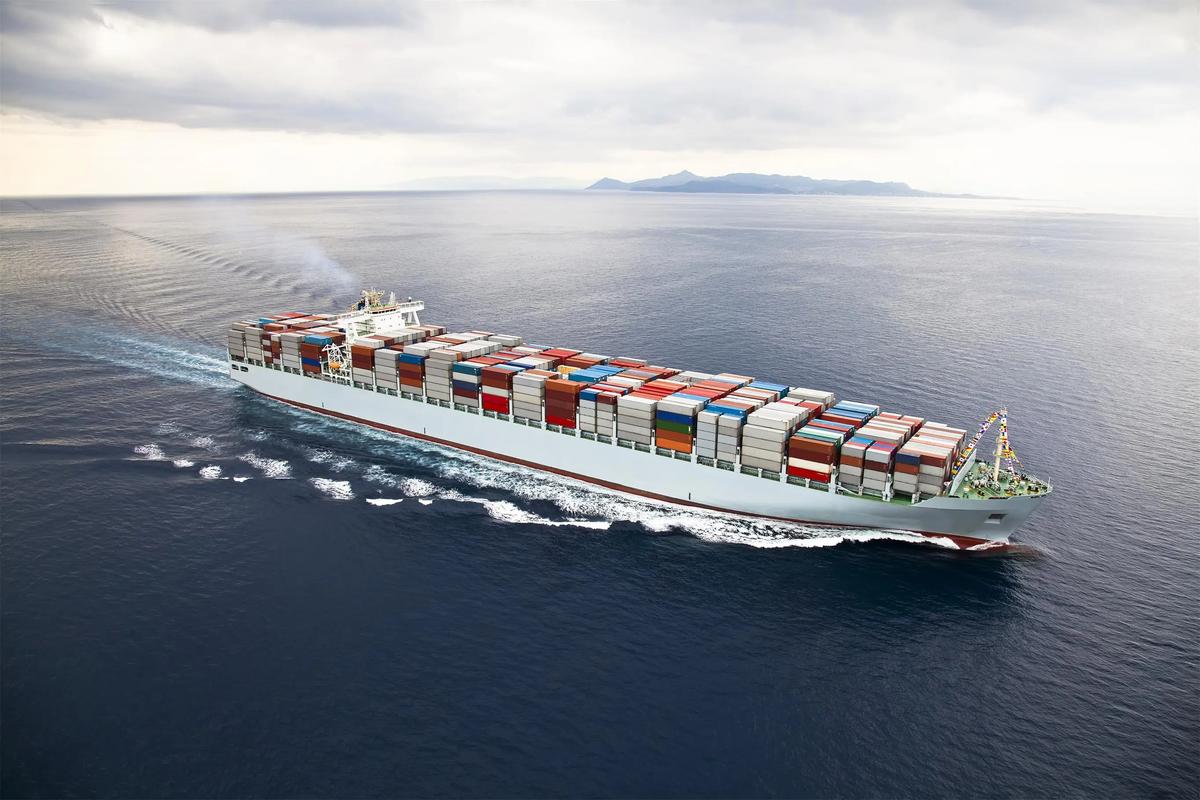

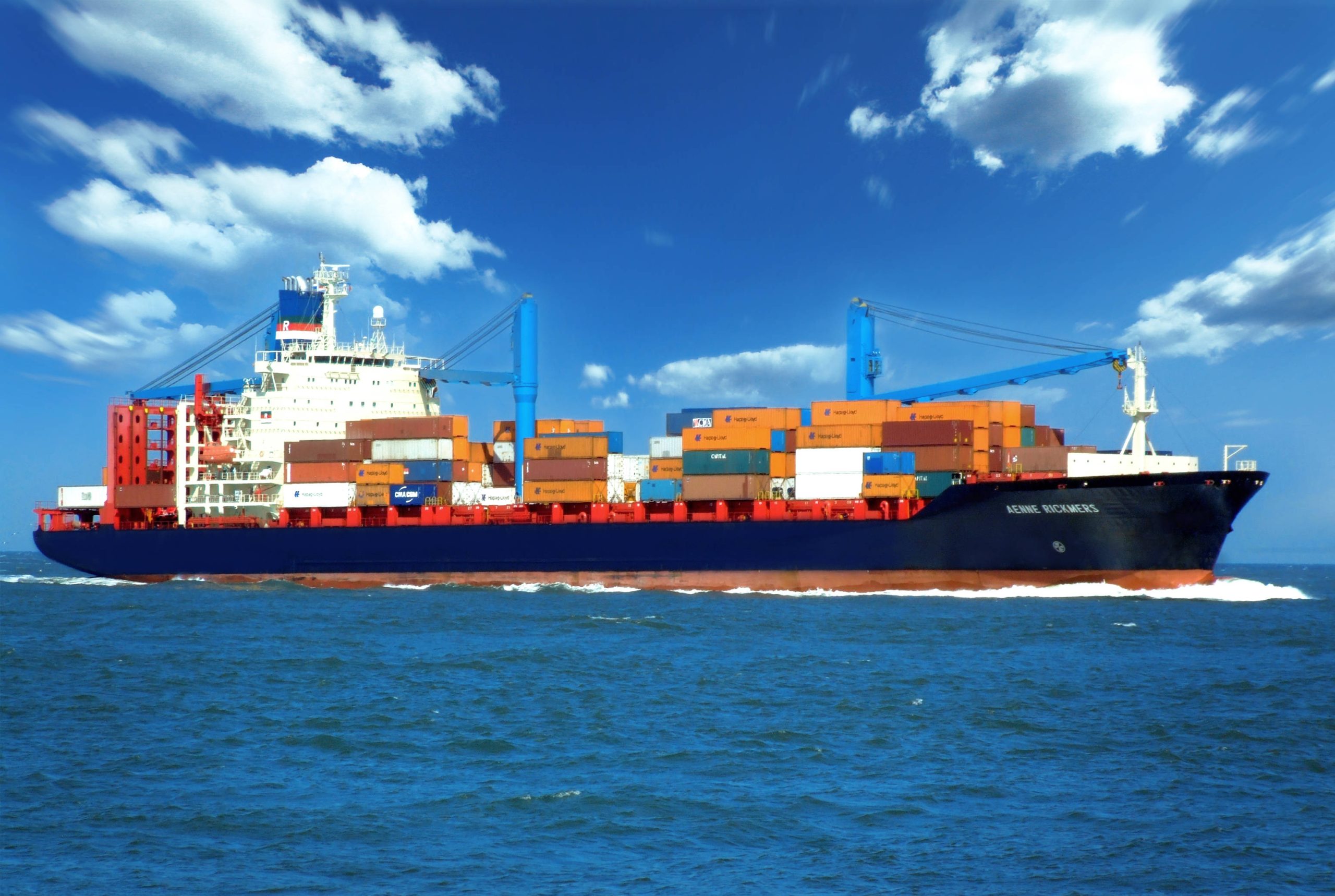
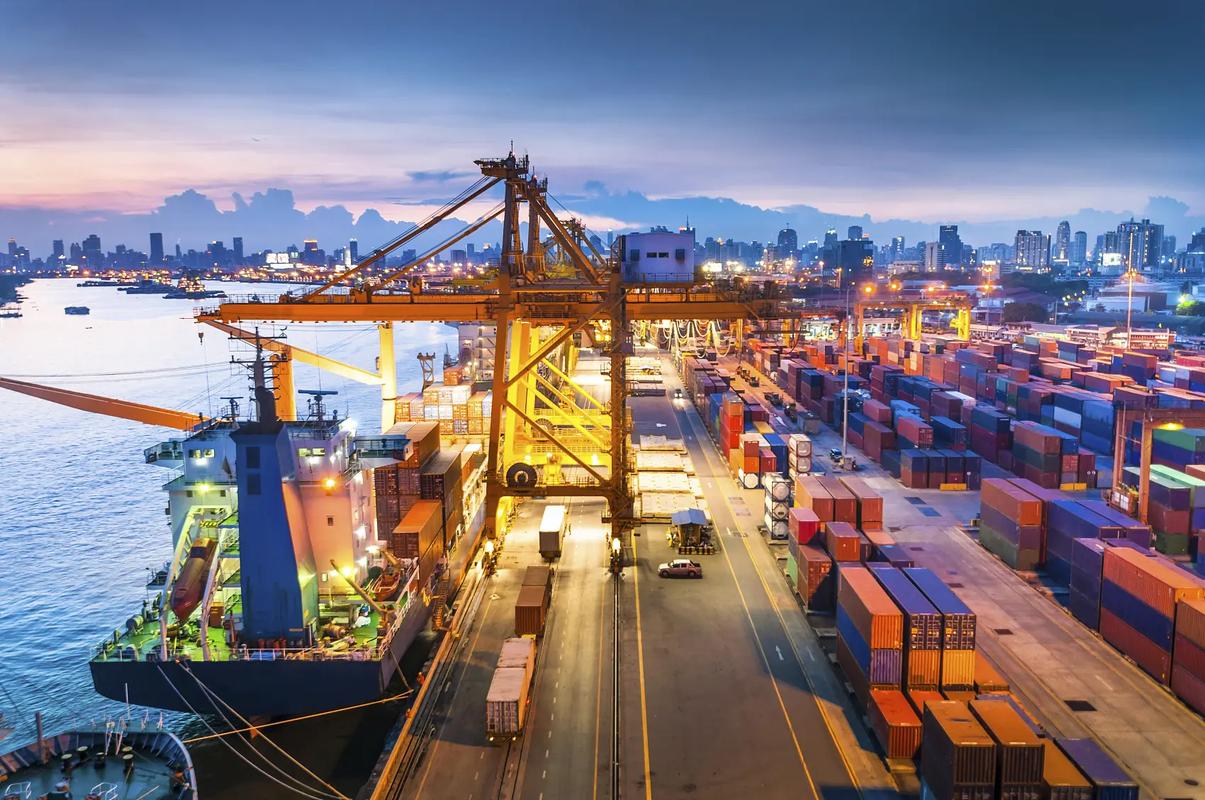
In the high-volume arena of transpacific trade, the movement of goods from the Port of Ningbo-Zhoushan to the Port of Los Angeles represents the primary artery of consumer supply chains. For businesses scaling their operations, the transition from Less than Container Load (LCL) to Full Container Load (FCL) shipping is a critical inflection point. However, simply booking an entire container does not automatically guarantee savings. Achieving a truly cost-effective FCL solution from Ningbo to Los Angeles requires a sophisticated synthesis of tactical planning, contractual leverage, and operational precision. It is a discipline that separates thriving enterprises from those eroded by hidden logistics costs.
Ningbo is not merely a port; it is a logistical titan, ranking among the top three busiest ports globally. Its vast infrastructure handles everything from raw materials to finished electronics. Conversely, Los Angeles is the primary gateway for Asian imports into North America. The corridor between these two hubs is saturated with carriers, forwarders, and intermediaries, all vying for margin. To navigate this landscape cost-effectively, a shipper must first dismantle the traditional perception of freight rates. The ocean freight rate quoted by a carrier is merely the tip of the iceberg. The true cost lies beneath the surface, in the ancillary charges that can inflate a shipping budget by 30% or more.
The foundation of a cost-effective strategy begins with space optimization. In a 40-foot high cube container, every square inch of space equates to capital. Many shippers leave thousands of dollars in potential savings on the table simply because their cargo is palletized inefficiently. A professional forwarder approaches packing as a science. By utilizing “pinwheel” stacking patterns or implementing slip-sheeting instead of traditional wooden pallets, a shipper can increase cube utilization by up to 15%. On a dense commodity, this can mean fitting hundreds more units into a single container, drastically reducing the per-unit shipping cost. This is the first pillar of cost-effectiveness: maximizing the payload to the contractual limit without exceeding the weight restrictions of the railroads on the U.S. side.
The second pillar is rate engineering. The spot market for Ningbo to Los Angeles is notoriously volatile. Relying on weekly spot quotes exposes a business to market fluctuations driven by fuel surcharges, peak season premiums, and equipment imbalances. A cost-effective solution involves negotiating Annual Contract Rate (ACR) agreements. While small to medium-sized shippers may lack the volume to secure Tier 1 contracts directly with ocean carriers like COSCO or Evergreen, a premier freight forwarder acts as an aggregator. They pool volume from multiple clients to secure favorable contract rates, passing the savings to the shipper. Furthermore, they understand the nuances of “Freight All Kinds” (FAK) rates versus specific commodity rates, ensuring that the cargo is classified correctly to avoid unnecessary premium charges.
Beyond the ocean freight, the real battleground for cost-effectiveness is terminal and destination management. The Port of Los Angeles is infamous for its congestion-related surcharges. Demurrage (charges for using the container beyond the free period) and detention (charges for keeping the container outside the port) can quickly spiral out of control. A cost-effective solution requires a forwarder who can pre-pull containers to a private warehouse before the free time expires or negotiate extended free time clauses into the contract. Additionally, the choice of chassis (the wheeled frame used to haul containers) can impact costs. In Los Angeles, chassis splits and fees are common; an experienced forwarder manages the drayage network to minimize these touches, ensuring the container moves from the berth to the consignee’s door with minimal handling.
Customs clearance is another area ripe for cost reduction. While it may seem like a fixed fee, errors in classification or valuation can trigger customs exams. A single ” Intensive Exam” in Los Angeles can cost thousands of dollars in exam fees, storage, and trucking delays. A cost-effective forwarder employs licensed customs brokers who pre-validate the Harmonized Tariff Schedule (HTS) codes and ensure the Importer Security Filing (ISF) is submitted accurately and early. They also advise on duty optimization strategies, such as utilizing Foreign Trade Zones (FTZs) or First Sale valuation methodologies, which can legally reduce the amount of duty paid on the shipment, thereby lowering the total landed cost.
The final component of a cost-effective solution is visibility and disruption management. In the modern supply chain, ignorance is expensive. A professional forwarder provides real-time tracking that goes beyond “vessel location.” It includes terminal availability, chassis status, and customs release status. If a labor strike is imminent at the Port of Los Angeles or if a typhoon is approaching Ningbo, a cost-effective strategy involves rerouting or adjusting schedules proactively. This agility prevents the ripple effect of delays, which often costs more than the original freight rate itself.
Consider the case of a mid-sized furniture manufacturer. Initially, they shipped via LCL, paying for space they didn’t fully utilize and suffering from frequent damage due to co-loading with other cargo. By transitioning to an FCL solution engineered by a specialist forwarder, they optimized their packaging to fit 25% more units per container. The forwarder secured a stable contract rate that insulated them from the 2023 spot market surge. By managing the drayage and avoiding demurrage fees through precise appointment scheduling, the manufacturer reduced their per-unit logistics cost by 18%, directly boosting their bottom line.
In conclusion, a cost-effective Full Container Load shipping solution from Ningbo to Los Angeles is not a commodity product; it is a highly engineered service. It demands a partner who views the container not just as a box to be moved, but as a strategic asset. By focusing on space optimization, rate engineering, destination cost control, and proactive risk management, businesses can transform their shipping expenses from a variable burden into a predictable, optimized component of their operational success. In the relentless competition of global trade, this level of logistical sophistication is the definitive edge.