

Exporting dangerous goods from Shanghai is not merely a logistical operation; it is a high-stakes exercise in regulatory navigation, risk management, and technical precision. For businesses dealing in chemicals, batteries, aerosols, or flammable materials, the difference between a seamless shipment and a catastrophic delay often hinges on the expertise of their sea freight agent. In the world of hazardous cargo, “fast customs clearance” is not a marketing slogan—it is a complex orchestration of compliance, documentation, and specialized handling that begins long before a container reaches the Port of Shanghai.
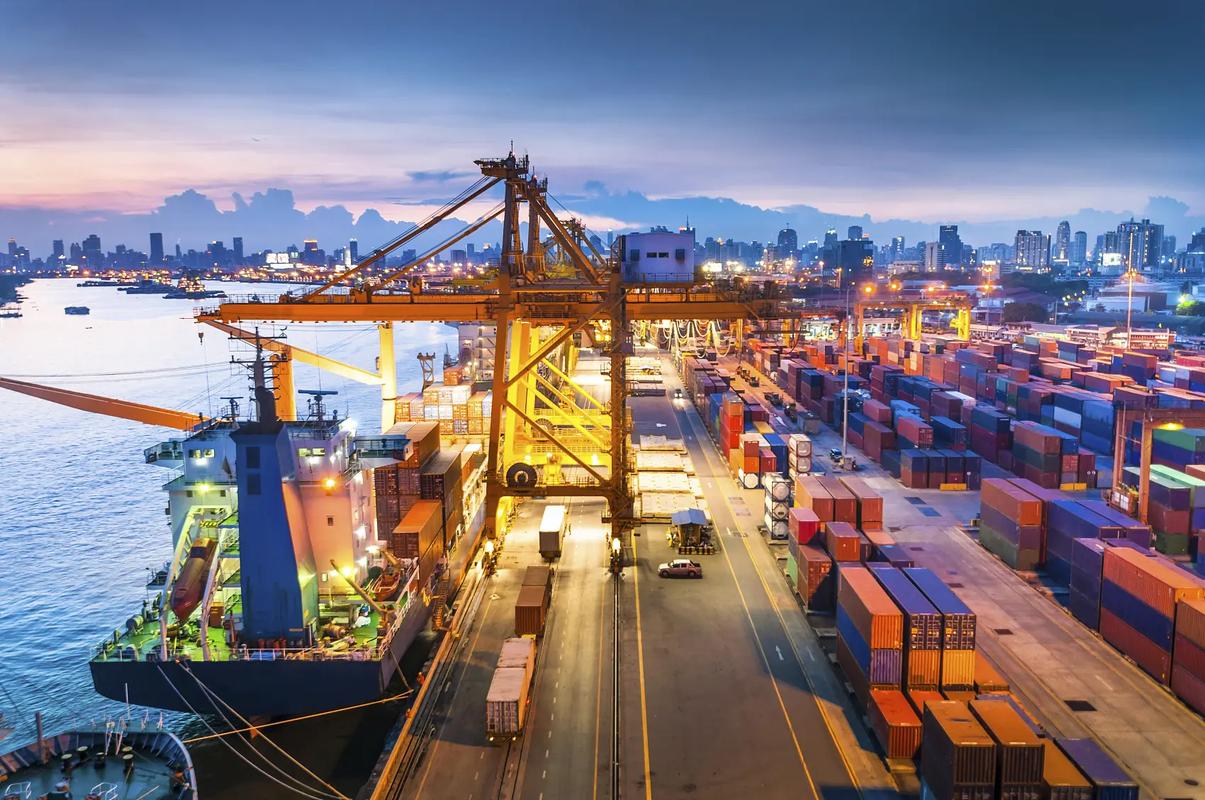
Shanghai, as the world’s busiest container port, operates under some of the most stringent scrutiny from both Chinese authorities and international maritime organizations. When dealing with dangerous goods (DG), the standard operating procedures for conventional cargo are insufficient. A professional DG freight forwarder must possess an intimate understanding of the International Maritime Dangerous Goods (IMDG) Code, Chinese customs regulations, and the specific requirements of the destination country. Failure to adhere to these standards does not just result in delays; it can lead to cargo confiscation, hefty fines, or even criminal liability for the shipper.
The process of achieving fast customs clearance for dangerous goods from Shanghai starts at the classification stage. Many exporters underestimate the importance of correct DG classification. A product that seems harmless might fall under a specific UN number that triggers intense scrutiny. A specialized agent will conduct a thorough pre-shipment analysis, verifying the Material Safety Data Sheet (MSDS) and ensuring the correct Proper Shipping Name and Hazard Class are declared. Misclassification is the number one cause of customs holds in Shanghai. An expert agent preempts this by cross-referencing declarations with the General Administration of Customs of China (GACC) database to ensure alignment before the cargo even arrives at the warehouse.
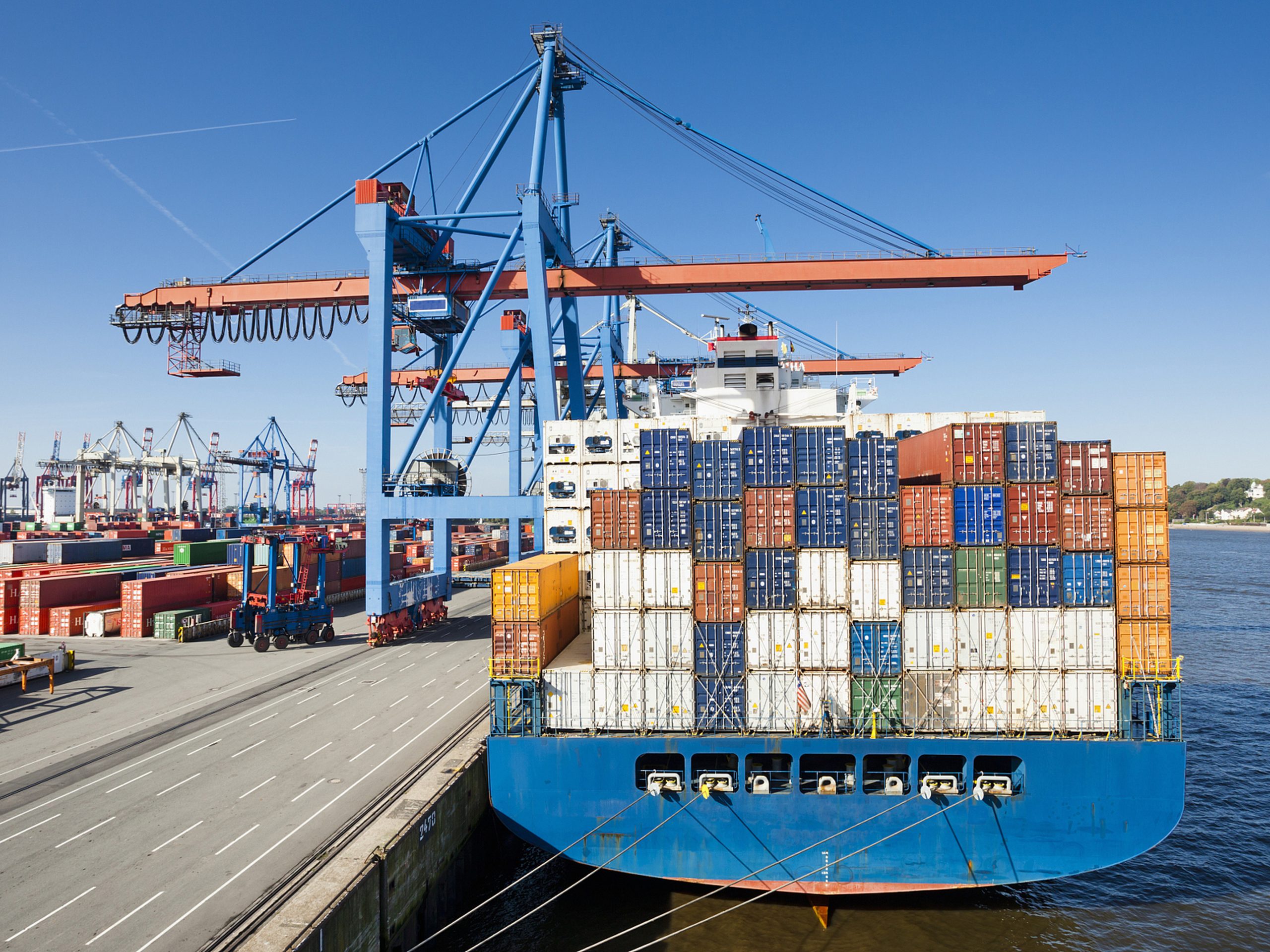
Packaging and labeling represent another critical bottleneck. Chinese customs inspectors in Shanghai are notoriously meticulous regarding DG packaging. The use of UN-certified packaging, the integrity of the closure, and the precision of hazard labels (such as the flame pictogram for flammables or the skull and crossbones for toxics) are physically inspected. A professional agent provides on-site supervision during the stuffing process. They ensure that the container is not only compliant with IMDG segregation requirements—keeping incompatible substances apart—but also that it is equipped with the necessary emergency response information and placards. Any deviation, such as a slightly crooked label or an incorrect font size on the placard, can result in the container being rejected at the terminal gate, causing missed sailings and demurrage charges.
Documentation is the lifeblood of fast customs clearance. For dangerous goods exported from Shanghai, the paperwork is exponentially more complex than for general cargo. It requires a Dangerous Goods Declaration (DGD), a cargo manifest, and often a customs declaration that includes specific codes for hazardous substances. A professional agent utilizes advanced digital platforms to submit these documents electronically to both customs and the terminal. They understand the specific timing requirements; for instance, submitting the DG manifest to the port authority must occur within a narrow window to secure a loading slot. Speed is achieved through error-proofing. By validating every data point—from the net explosive mass to the flashpoint of liquids—the agent ensures the shipment sails through the “green channel” of customs, avoiding the dreaded “inspection” status.
Beyond the paperwork, a key advantage of a specialized agent is their relationship with the Shanghai port authorities and the terminal operators. Certain terminals in Shanghai, such as Yangshan Deep Water Port, have specific restrictions on certain classes of dangerous goods. A knowledgeable agent knows which terminal can accept which class of DG on any given day. They also maintain strong relationships with the customs officials, enabling them to expedite the inspection process if one is triggered. In the event of a query, they can provide immediate clarification, preventing the shipment from being sidelined.
Risk mitigation extends to the physical transportation of the empty container to the shipper’s factory and the subsequent drayage to the port. Transporting dangerous goods within China requires vehicles with specific permits and drivers with specialized training. A professional agent coordinates this specialized trucking, ensuring that the carrier has the necessary licenses to avoid roadside checks and fines. Furthermore, they arrange for marine cargo insurance specifically tailored for hazardous materials, as standard policies often exclude DG-related incidents.
The final layer of expertise involves staying ahead of regulatory changes. The IMDG Code is updated biennially, and Chinese regulations evolve constantly. For example, recent crackdowns on lithium battery shipments (Class 9) have introduced new testing requirements. A professional agent keeps their clients informed of these changes, advising them on how to adjust their supply chain to remain compliant. This proactive approach transforms the agent from a service provider into a strategic partner.
In conclusion, exporting dangerous goods from Shanghai is a discipline that demands absolute precision. Fast customs clearance is not an accident; it is the result of meticulous preparation, deep regulatory knowledge, and flawless execution. For any business involved in the global trade of hazardous materials, selecting a sea shipping agent with specialized DG expertise is not just a preference—it is a fundamental requirement for survival in the complex ecosystem of international logistics. The cost of cutting corners is always higher than the cost of hiring a professional.