

Mastering the Amazon FBA Pipeline: The Strategic Imperative of Professional Ocean Freight Forwarding from China to Germany
The transcontinental journey of goods from a manufacturing facility in China to a bustling Amazon fulfillment center in Germany represents one of the most complex and unforgiving supply chains in modern commerce. For sellers navigating the European market, the allure of high-volume sales through Fulfillment by Amazon (FBA) is often counterbalanced by the logistical nightmare of compliance, customs, and last-mile delivery. In this high-stakes environment, a professional Amazon FBA ocean freight forwarding service is not merely a vendor; it is the central nervous system of a successful e-commerce operation.
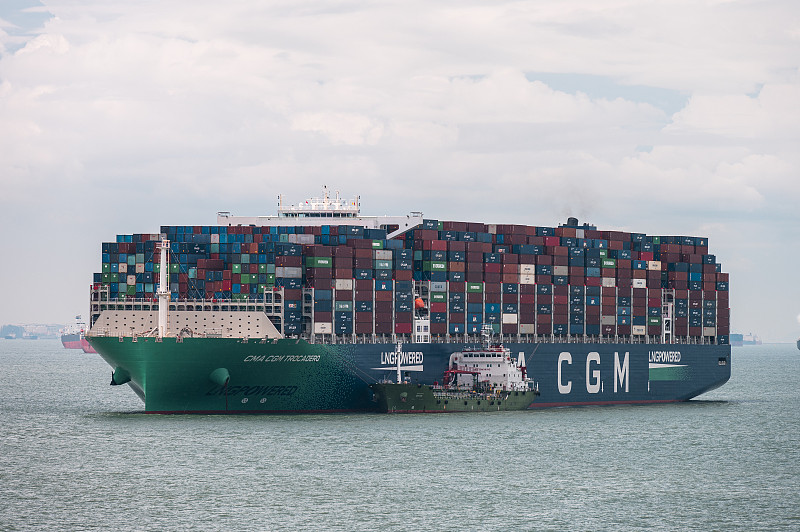
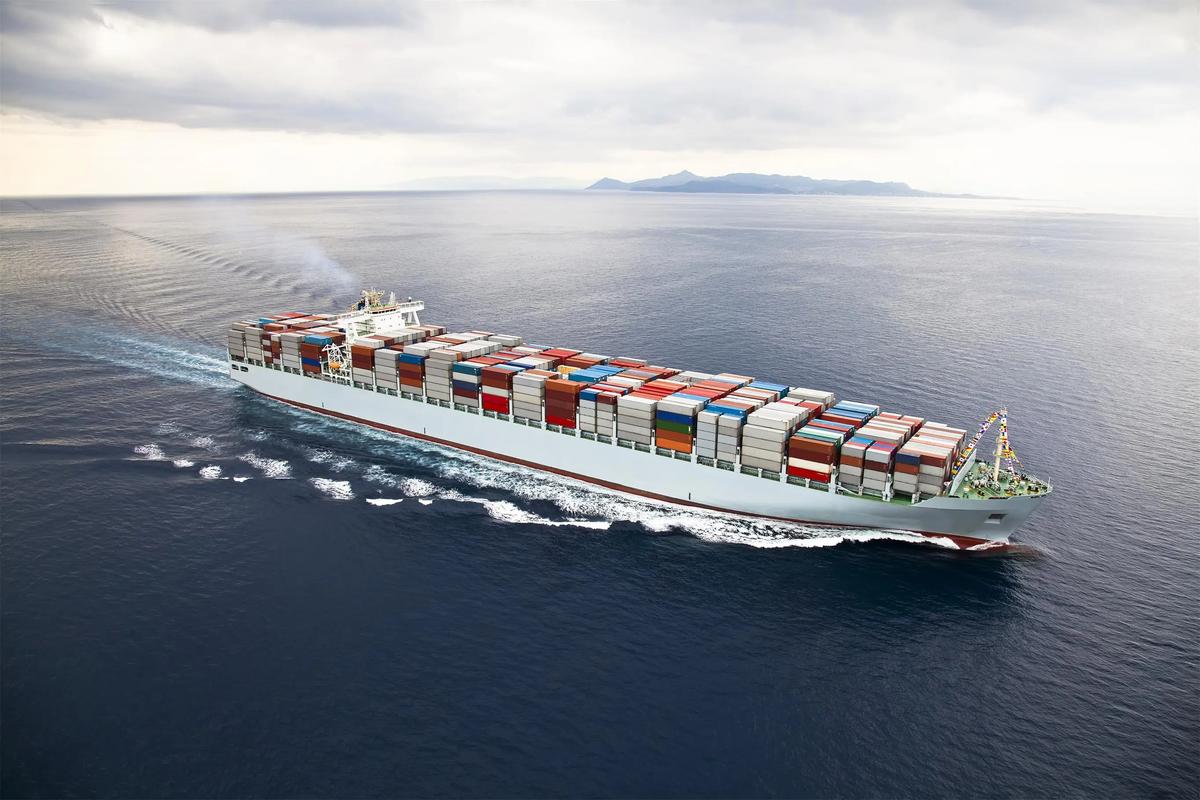
The China-to-Germany trade lane is the backbone of European e-commerce. Goods depart from major hubs like Shenzhen, Ningbo, or Shanghai, destined for the industrial heart of Europe via the ports of Hamburg or Bremerhaven. While air freight offers speed, ocean freight remains the only economically viable option for scaling a business. However, the ocean is merely the beginning of the journey. The real challenge lies in the “middle mile”—the intricate process of ensuring that products are not just shipped, but delivered to Amazon in a manner that complies with the platform’s notoriously strict requirements.
A professional forwarder specializing in Amazon FBA understands that the traditional model of shipping containers to a port is obsolete. Amazon does not act as an importer of record, nor does it handle customs clearance or provide a traditional shipping address for freight forwarders. This is where the specialized knowledge of a professional service becomes indispensable. These experts function as de facto importers of record, managing the complex web of European Union import regulations, VAT deferral schemes, and EORI number validation. Without this expertise, a shipment can be held at German customs indefinitely, leading to stockouts, lost sales, and potential account suspension.
The process begins at the origin in China. Unlike standard freight, FBA shipments require meticulous labeling and packaging. A professional forwarder conducts pre-shipment inspections to ensure that cartons meet Amazon’s specific dimension and weight limits. They manage the consolidation of goods from multiple factories into a single shipment, optimizing the cube utilization within a container to minimize the cost per unit. This is particularly crucial for Less than Container Load (LCL) shipments, where every cubic meter counts. The forwarder must ensure that the cargo is stuffed in a way that prevents damage during the long voyage while also facilitating easy deconsolidation upon arrival in Germany.
Once the vessel departs, the focus shifts to documentation. The German customs authorities are among the most rigorous in the world. A professional forwarder prepares the commercial invoice, packing list, and bill of lading with surgical precision. Any discrepancy—a missing HS code, an incorrect declared value, or a mislabeled commodity—can trigger a customs exam. These exams are costly, time-consuming, and often result in the shipment missing the Amazon appointment window. Professional services utilize advanced software to pre-validate all documentation against EU regulations, effectively creating a “green lane” for the cargo through customs.
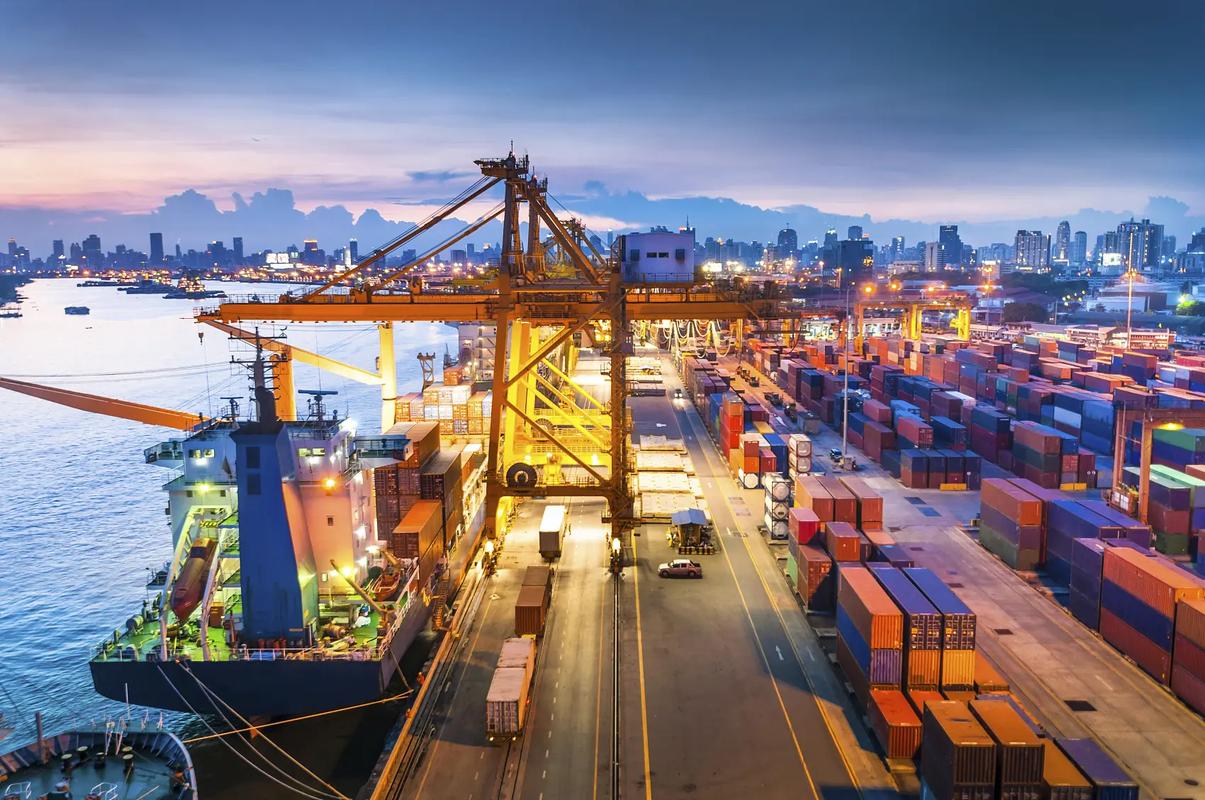
Upon arrival in Hamburg or Bremerhaven, the real test begins. The forwarder must coordinate the container pickup, drayage to a bonded warehouse, and the subsequent breakdown of the shipment. Here, the distinction between a standard forwarder and an FBA specialist becomes stark. An FBA specialist manages the “carrier appointment” process. Amazon requires carriers to book specific delivery windows. Failure to secure an appointment results in the carrier being turned away at the gate, incurring detention and demurrage fees. Professional forwarders have established relationships with Amazon-approved carriers who understand the protocols of each fulfillment center, whether it be in Leipzig, Rheinberg, or Piacenza.
Furthermore, the issue of Inventory Performance Index (IPI) cannot be overstated. Amazon penalizes sellers for excessive inventory storage and stranded units. A professional forwarding service integrates with the seller’s Seller Central account, providing visibility into transit times. By offering precise Estimated Time of Arrivals (ETAs), they allow sellers to manage their restock limits proactively. If a delay occurs, a professional forwarder provides alternative solutions, such as diverting cargo to a different fulfillment center or utilizing temporary storage to prevent stockouts.
The financial implications of choosing the right partner are profound. While many sellers are tempted by the lowest possible ocean freight rate, this often leads to disaster. Hidden fees for customs clearance, warehousing, and delivery appointments can double the cost of a cheap shipment. A professional service offers a comprehensive, all-inclusive quote that covers freight, customs, duties, and delivery to the door of the Amazon FBA warehouse. This transparency allows sellers to calculate their landed cost accurately, ensuring healthy profit margins.
Moreover, the landscape of European logistics is shifting rapidly due to sustainability regulations. Germany is at the forefront of environmental compliance. Professional forwarders now offer carbon-neutral shipping options and ensure that all packaging materials comply with German recycling laws (Verpackungsgesetz). Non-compliance can result in fines and the seizure of goods. A forwarder who stays ahead of these regulatory changes protects the seller from unforeseen liabilities.
In conclusion, the journey from China to an Amazon fulfillment center in Germany is fraught with peril for the unprepared. The complexity of customs, the rigidity of Amazon’s receiving rules, and the volatility of ocean freight demand a level of expertise that transcends traditional logistics. A professional Amazon FBA ocean freight forwarding service acts as a strategic partner, transforming a chaotic supply chain into a predictable, efficient, and profitable engine for growth. For any serious seller looking to dominate the German market, investing in this level of professionalism is not an expense—it is the most critical investment in their business infrastructure.