


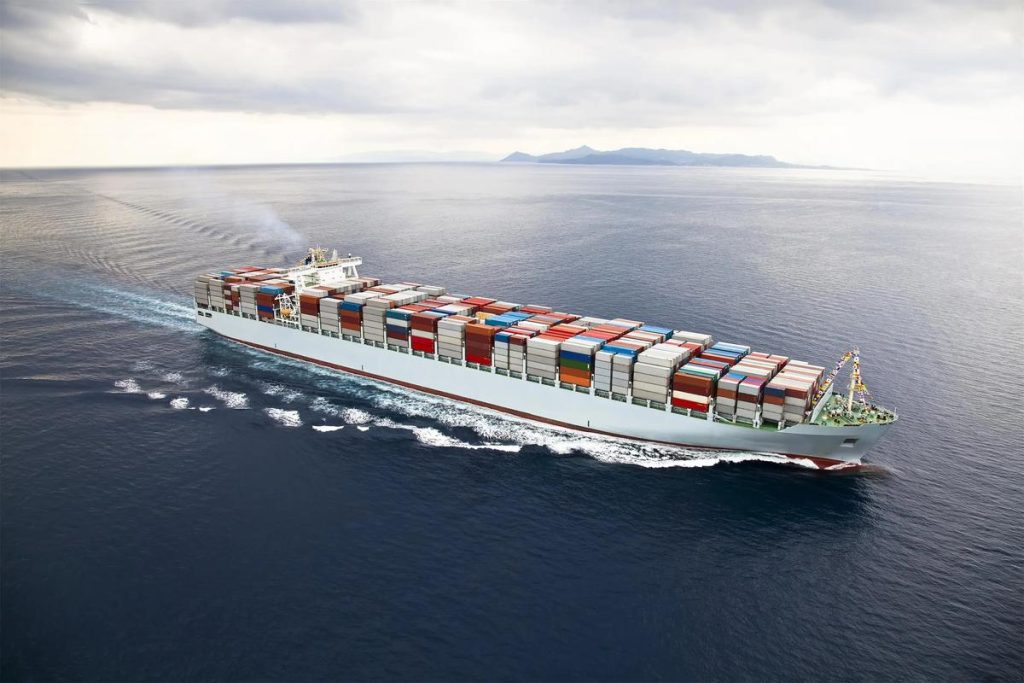
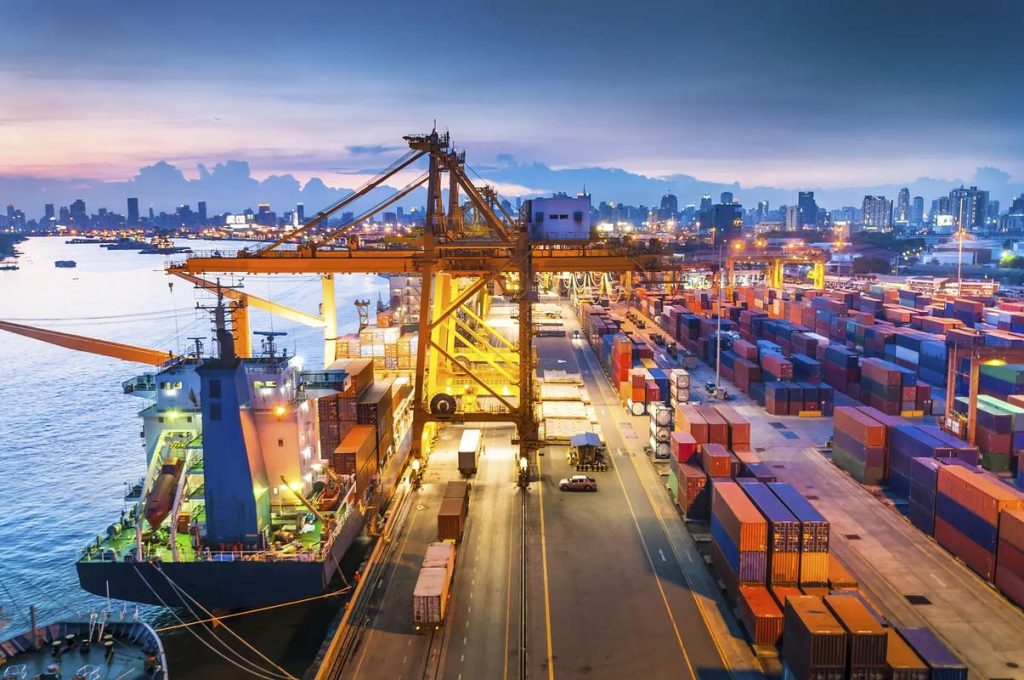
Shipping from China to Germany is one of the most important logistics corridors in Europe–Asia trade. Germany is Europe’s largest economy and a major destination for machinery, automotive parts, electronics, and industrial goods imported from China.
For importers, a key question is: Which shipping company is reliable for China to Germany freight, and what are the best sea and air cargo options?
In reality, there is no single company that manages the entire process from start to finish. Instead, global ocean carriers operate the shipping routes, while freight forwarders coordinate customs clearance, inland transportation, and delivery across Germany.
This article explains the main shipping companies, routes, costs, and how to choose a trusted logistics partner.
1. Overview of China to Germany Shipping Route
The China–Germany shipping lane is highly developed and mainly serves major European ports:
Major German Ports:
- Hamburg (largest port in Germany)
- Bremerhaven
- Wilhelmshaven
Most cargo arrives at Hamburg, then moves inland to cities such as Berlin, Munich, Frankfurt, and Stuttgart via rail or truck.
2. Sea Freight vs Air Freight
Sea Freight (Most Common Option)
Sea freight is the most cost-effective solution for China to Germany shipping.
- Full Container Load (FCL)
- Less than Container Load (LCL)
- Transit time: 28–40 days
✔ Best for bulk cargo
✔ Lowest cost per unit
✔ Stable global schedules
Air Freight (Fast Delivery Option)
Air freight is used for urgent or high-value shipments.
- Transit time: 3–7 days
- Routed via Shanghai, Hong Kong, or Middle East hubs
✔ Very fast delivery
❌ Higher cost
3. Major Shipping Companies from China to Germany
Several global container shipping lines operate on this route, typically via direct or transshipment services:
- COSCO Shipping
- Maersk
- MSC Mediterranean Shipping Company
- CMA CGM
- Hapag-Lloyd
- ONE (Ocean Network Express)
These carriers provide regular services from major Chinese ports such as Shanghai, Ningbo, and Shenzhen to Northern Europe, including Hamburg.
4. Role of Freight Forwarders in China–Germany Shipping
In most cases, importers do not book directly with shipping lines. Instead, freight forwarders handle the full logistics process:
- Export customs clearance in China
- Booking space with carriers
- Cargo consolidation (LCL shipments)
- Import customs clearance in Germany
- Inland trucking or rail delivery across Europe
- Door-to-door service (DDP or DDU)
A professional freight forwarder ensures smoother customs procedures and avoids unnecessary delays.
5. Recommended Shipping Routes
Route A: China → Hamburg Direct Sea Freight
✔ Most popular route
✔ Stable weekly sailings
✔ Best for general cargo
Route B: China → Rotterdam / Antwerp → Germany
✔ Flexible European hub routing
✔ Often used during peak seasons
✔ Efficient inland distribution
Route C: China → Air Cargo → Frankfurt / Munich
✔ Fastest delivery option
✔ Ideal for urgent or high-value goods
6. Shipping Cost Factors (2026 Estimate)
Several factors affect China to Germany shipping costs:
- Cargo volume (CBM or weight)
- Container size (20GP / 40HQ)
- Port congestion in Europe
- Seasonal demand fluctuations
- Customs duties and VAT in Germany/EU
Estimated Costs:
- LCL: $90–$160 per CBM
- FCL (20GP): $1,800–$3,500
- Air freight: $5–$13 per kg
7. How to Choose a Reliable Shipping Company
To ensure safe and efficient shipping from China to Germany, choose a logistics provider with:
1. Strong EU Customs Experience
Understanding EU regulations helps avoid clearance delays.
2. Stable Carrier Partnerships
Forwarders working with MSC, Maersk, COSCO, and CMA CGM often secure better rates.
3. Door-to-Door Capability
DDP shipping is ideal for e-commerce and small businesses.
4. Transparent Pricing
Avoid hidden costs such as:
- destination handling fees
- customs brokerage charges
- inland trucking fees
5. Real-Time Tracking
Clear communication improves supply chain management.
8. Common Goods Shipped from China to Germany
- Automotive parts
- Machinery and industrial equipment
- Electronics and components
- Furniture and home goods
- Textiles and clothing
- E-commerce products
9. Conclusion
There is no single dedicated “China to Germany shipping company.” Instead, global carriers such as COSCO, Maersk, MSC, CMA CGM, Hapag-Lloyd, and ONE operate the shipping routes, while freight forwarders manage the full logistics process.
For most importers, sea freight via Hamburg remains the most cost-effective solution, while air freight is ideal for urgent shipments.
With the right logistics partner, shipping from China to Germany can be efficient, predictable, and highly reliable for long-term business operations.