

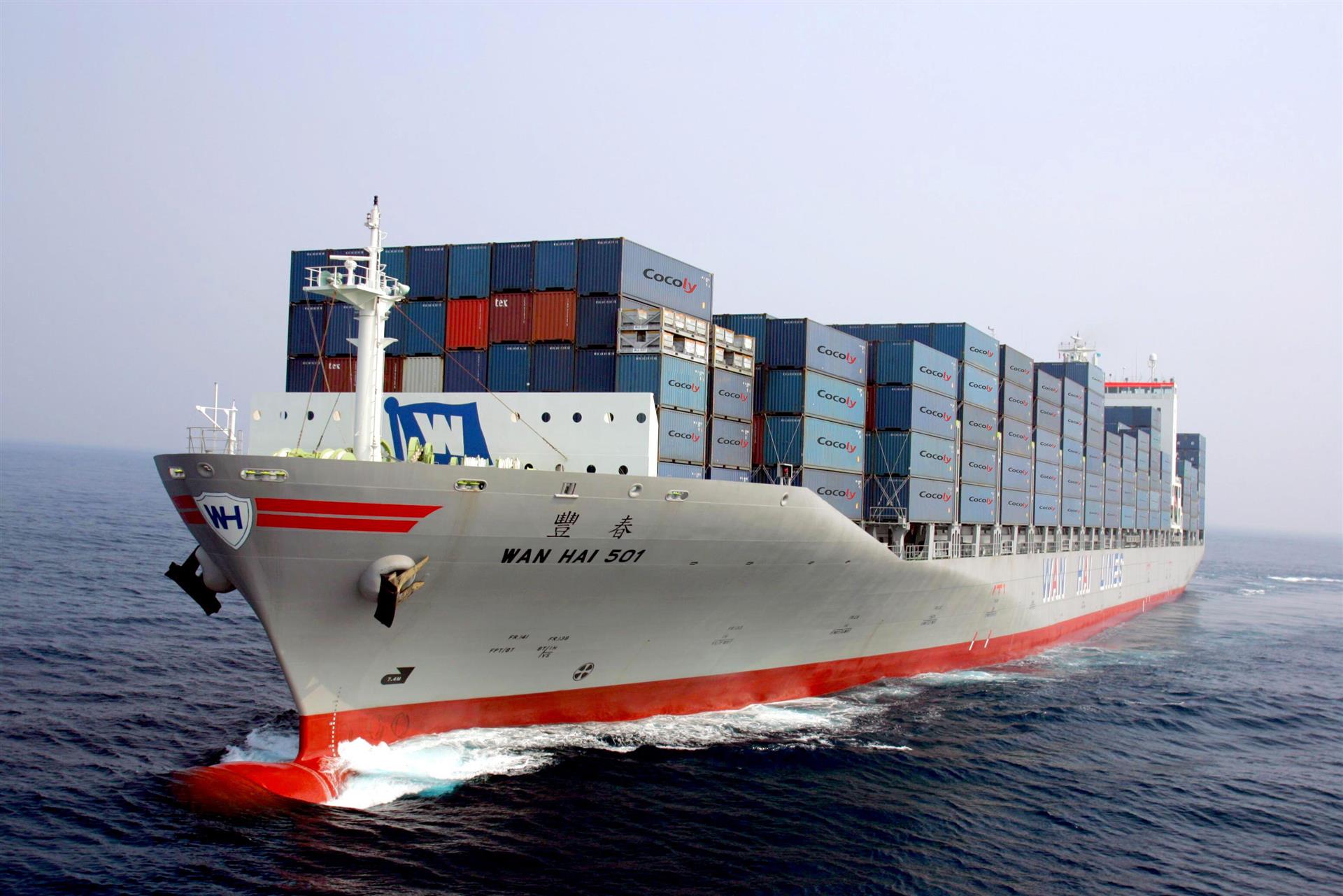
Unstable transit time is a major problem in international shipping. Even when cargo is shipped on time, delivery can still be delayed due to carrier schedules, port congestion, customs inspection, or poor logistics planning.
This article explains why shipping time is unstable and how to improve delivery reliability from China to global destinations.
1. Why International Shipping Transit Time Is Unstable
Understanding the root causes helps you reduce delays effectively.
1.1 Carrier Schedule Changes
Shipping lines and airlines often adjust schedules due to:
- Vessel delays
- Space shortages
- Route optimization changes
- Equipment availability issues
Even confirmed bookings can be rescheduled.
1.2 Port Congestion and Terminal Delays
Ports can become overloaded, especially during peak seasons:
- Chinese New Year
- Holiday shopping season
- Global supply chain disruptions
This causes longer waiting times for loading and unloading.
1.3 Customs Clearance Delays
Customs inspections can slow down transit time due to:
- Document verification
- Product inspection
- HS code review
- Random checks
1.4 Weather and External Factors
Uncontrollable events include:
- Typhoons and storms
- Extreme weather conditions
- Port strikes or labor issues
- Geopolitical disruptions
1.5 Poor Logistics Planning
Many delays happen due to:
- Last-minute booking
- Wrong shipping method selection
- Lack of backup routes
- No consolidation strategy
2. How to Improve Shipping Time Stability
A professional freight strategy can significantly improve delivery reliability.
2.1 Choose the Right Shipping Method
Each method has different stability levels:
- Air freight: fastest and more stable
- Sea freight: cost-effective but variable
- Express courier: highest reliability for small shipments
Selecting the right method reduces uncertainty.
2.2 Book Space in Advance
Early booking helps:
- Secure stable sailing schedules
- Avoid peak-season congestion
- Reduce last-minute rate fluctuations
2.3 Use Reliable Freight Forwarders
Experienced freight forwarders provide:
- Carrier priority access
- Stable shipping routes
- Backup logistics plans
This improves overall consistency.
2.4 Consolidate Shipments Smartly
Cargo consolidation helps:
- Reduce waiting time for full container loading
- Improve shipping frequency
- Lower cost while maintaining stability
2.5 Optimize Route Selection
Smart routing can reduce delays:
- Avoid congested transshipment hubs
- Use direct routes when possible
- Combine air + sea hybrid solutions
3. How Freight Forwarders Stabilize Transit Time
Professional logistics providers play a key role in improving predictability.
3.1 Carrier Network Advantage
Strong freight forwarders work with:
- Multiple shipping lines
- Airline partners
- Global logistics networks
This provides flexible options when delays occur.
3.2 Real-Time Monitoring and Updates
They provide:
- Live shipment tracking
- Delay alerts
- Immediate response plans
3.3 Backup Routing Solutions
If delays occur, forwarders can:
- Switch carriers
- Re-route shipments
- Upgrade transport mode (sea → air)
3.4 Seasonal Planning Strategy
They prepare for peak seasons by:
- Booking space early
- Forecasting demand
- Allocating capacity in advance
4. How Businesses Can Reduce Delivery Risks
4.1 Avoid Last-Minute Shipping
Urgent shipments are more likely to face:
- Higher cost
- Less stable schedules
- Limited space availability
4.2 Plan Inventory Strategically
Maintain buffer stock to reduce pressure on urgent shipping.
4.3 Use Multi-Carrier Strategy
Do not rely on a single shipping line or airline.
4.4 Improve Communication With Freight Partner
Clear communication helps:
- Faster problem resolution
- Better planning accuracy
- Reduced misunderstandings
5. Conclusion
Unstable transit time is caused by many external and internal factors, but it can be significantly improved with proper logistics planning.
By choosing the right shipping method, booking early, and working with an experienced freight forwarder, businesses can achieve more stable and predictable international delivery performance.