

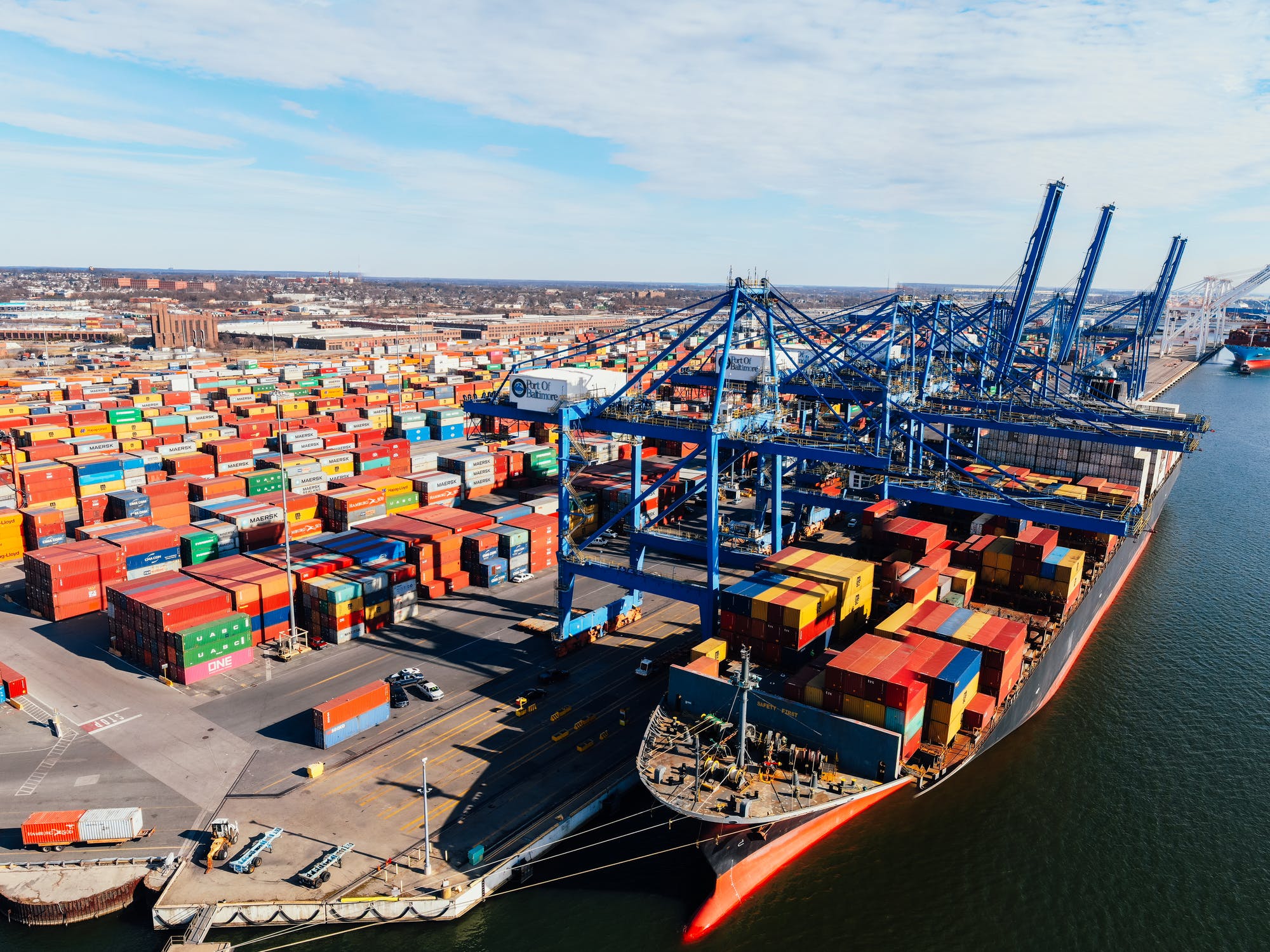
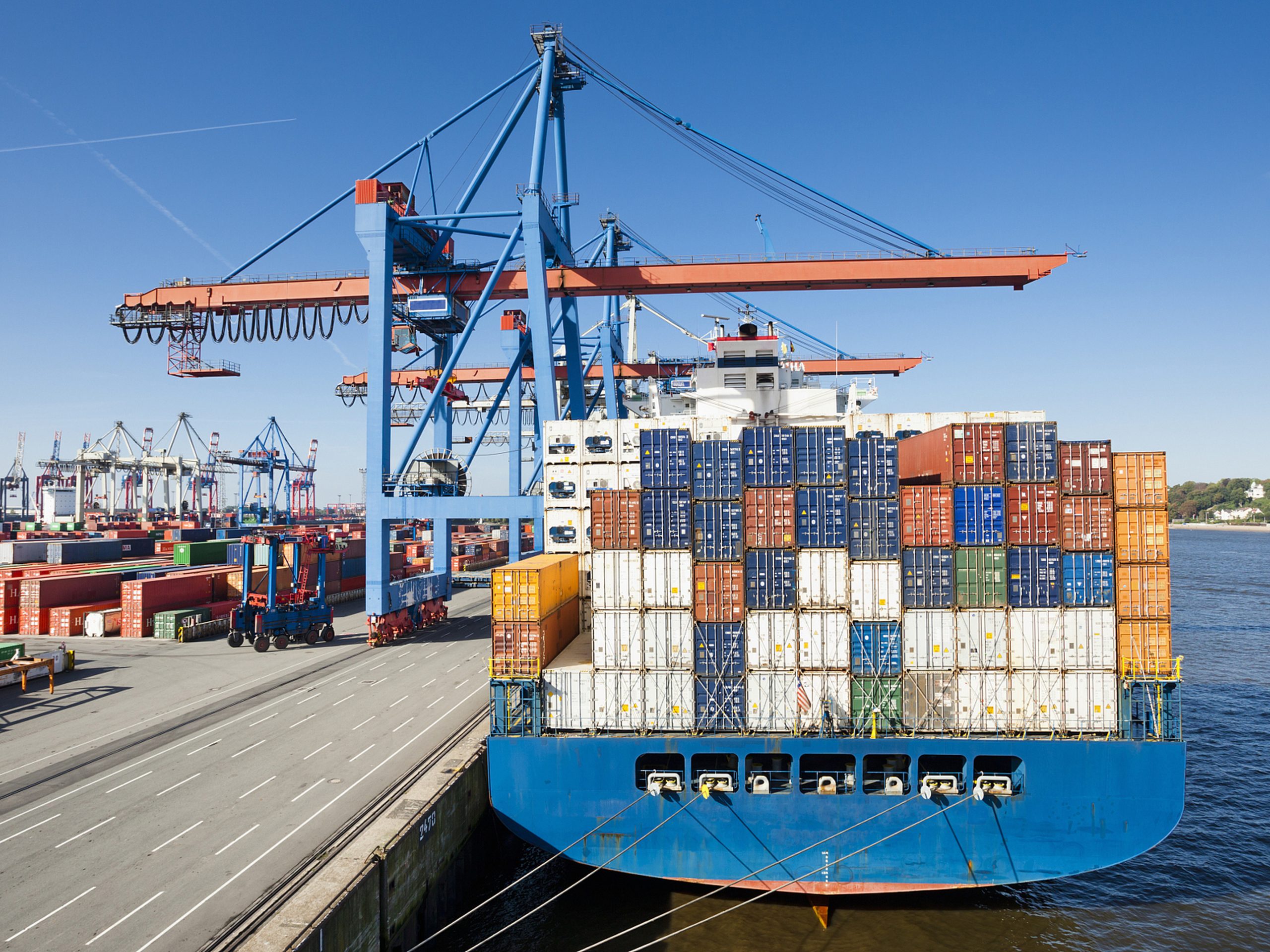
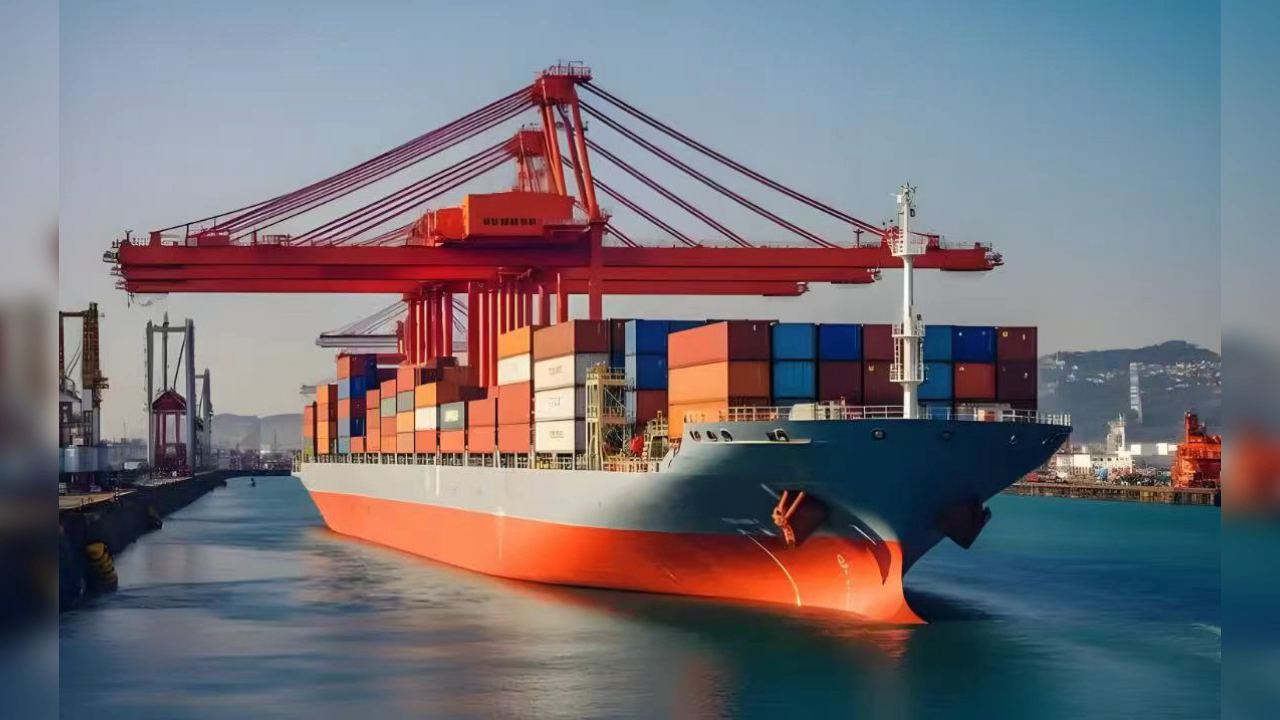
Slow sea freight shipping is a common challenge for importers sourcing from China. Delays can happen due to port congestion, carrier schedules, customs processing, or seasonal peak demand. While sea freight is the most cost-effective method, transit time is not always predictable.
This guide explains why sea freight becomes slow and how to improve delivery speed and reliability.
1. Understand the Main Reasons for Slow Sea Freight
Before fixing the problem, identify the cause:
- Port congestion in China or destination ports
- Vessel schedule delays or blank sailings
- Customs inspection delays
- Peak season shipping pressure
- Weather disruptions (typhoons, storms)
- Transshipment delays at hub ports
Each factor affects transit time differently.
2. Choose Direct Shipping Routes Instead of Transshipment
Transshipment (via hub ports) often causes delays.
To improve speed:
- Choose direct vessels when possible
- Avoid multiple port transfers
- Select major shipping lines with stable routes
Direct routes reduce handling time and risk of delay.
3. Book Space Early to Avoid Vessel Shortage
Late booking often leads to waiting for the next vessel.
Best practices:
- Book 2–4 weeks in advance
- Confirm sailing schedule early
- Avoid last-minute cargo submission
Early booking ensures faster loading and departure.
4. Use Reliable and Fast Shipping Lines
Not all carriers have the same performance.
A good carrier provides:
- Stable sailing schedules
- Fewer blank sailings
- Faster port handling
- Better global network coverage
Choosing the right carrier can reduce delays significantly.
5. Improve Customs Clearance Efficiency
Customs delays often slow down sea freight more than ocean transit itself.
To avoid delays:
- Ensure accurate HS codes
- Prepare complete documents
- Avoid undervaluation or mismatched invoices
- Work with experienced customs brokers
Faster clearance = faster delivery.
6. Avoid Peak Shipping Seasons
Sea freight becomes much slower during:
- Chinese New Year
- Golden Week holidays
- Q4 holiday shipping rush (Oct–Dec)
During these periods:
- Space is limited
- Containers queue at ports
- Transit time increases
Planning ahead is critical.
7. Optimize Port Selection
Some ports are faster than others.
To reduce delay:
- Choose less congested ports when possible
- Avoid overloaded major hubs during peak season
- Compare destination port efficiency and handling speed
Smart port selection can save several days or even weeks.
8. Work with Experienced Freight Forwarders
A professional forwarder can:
- Secure priority shipping space
- Choose faster routes and carriers
- Handle documentation correctly
- Solve unexpected port or customs issues
Experience often determines shipping speed.
9. Track Shipment and Respond Quickly
Real-time tracking helps you react early:
- Monitor vessel departure and arrival
- Check port congestion updates
- Communicate with forwarder immediately if delays occur
Early intervention can prevent further delays.
FAQ
Q1: Why is my sea freight from China taking so long?
Common reasons include port congestion, customs delays, transshipment routes, or peak season shipping pressure.
Q2: How long does sea freight from China usually take?
It depends on destination, but typically ranges from 15 to 40 days depending on route and port conditions.
Q3: Can I speed up sea freight shipping?
Yes. You can choose direct routes, book early, use faster carriers, and improve customs clearance efficiency.
Q4: Is air freight better than sea freight for speed?
Yes. Air freight is much faster but significantly more expensive and usually used for urgent or high-value goods.
Q5: What is the biggest cause of sea freight delay?
Port congestion and customs clearance issues are the most common causes of slow sea freight.