

Shipping bulk cargo from China is a common requirement for wholesalers, manufacturers, and e-commerce importers. However, many businesses face two major problems: unexpected hidden fees and serious shipping delays that affect inventory and sales.
A professional China freight forwarder can help you avoid these issues by optimizing shipping routes, improving documentation accuracy, and providing transparent logistics pricing.
Why Bulk Cargo Shipping Often Faces Problems
Bulk shipments involve large volumes, multiple handling points, and complex documentation. Common issues include:
- Port congestion delays
- Incorrect customs declarations
- Unexpected destination charges
- Poor communication between suppliers and carriers
- Inefficient container loading
- Peak season space shortages
These problems can significantly increase total shipping cost and delivery time.
1. Choose the Right Shipping Method for Bulk Cargo
Different cargo types require different transportation strategies.
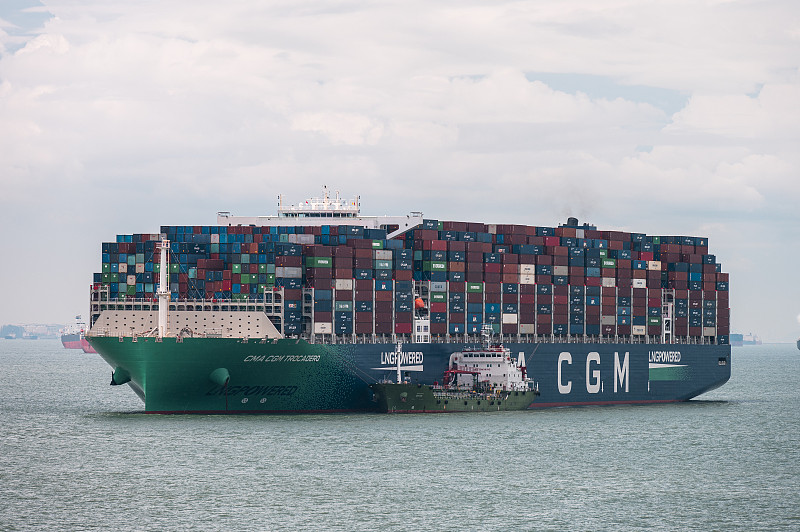
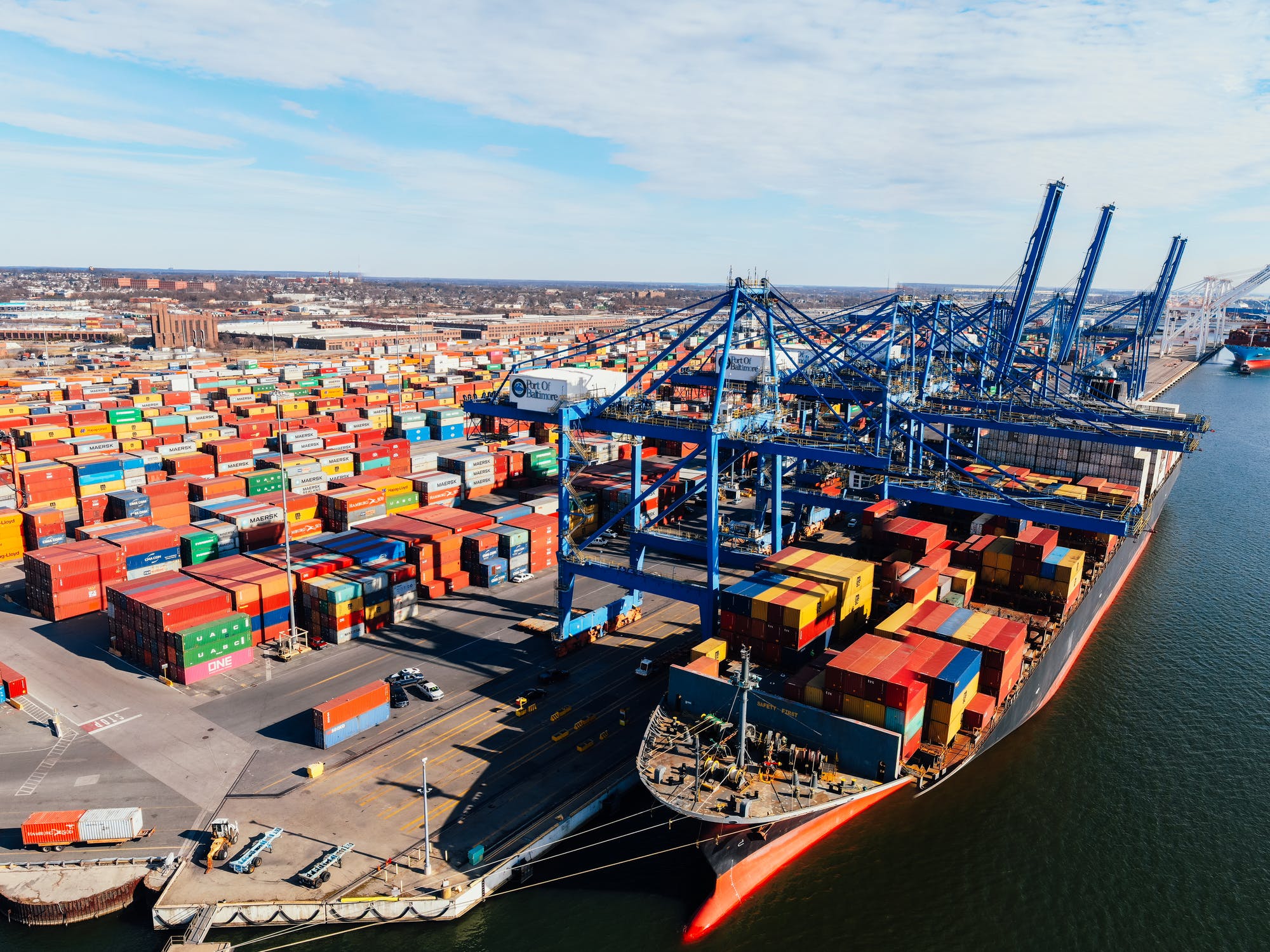
Sea Freight (Most Recommended)
- Best for large-volume shipments
- Lowest cost per CBM
- Suitable for heavy machinery, electronics, and wholesale goods
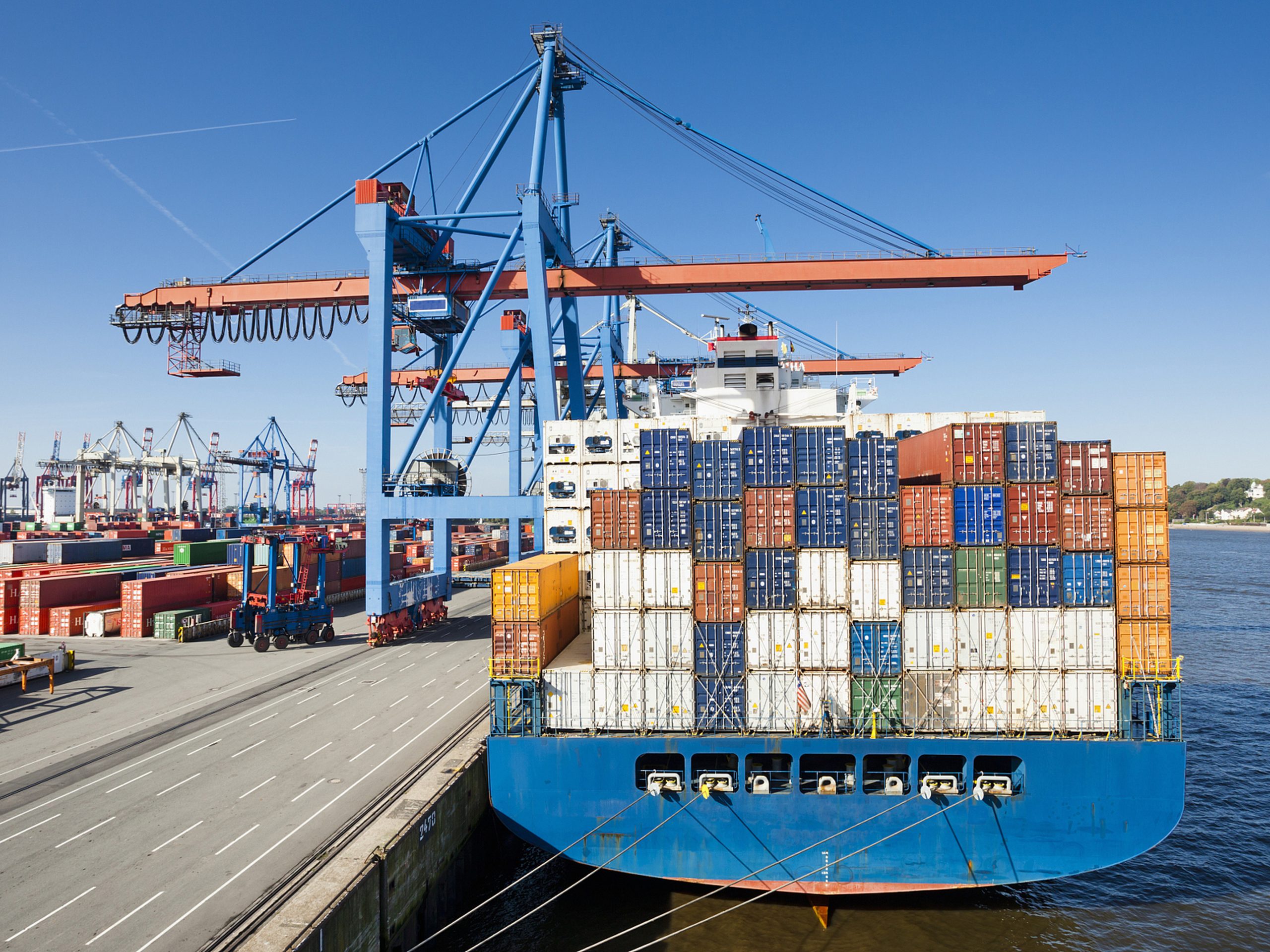
FCL Shipping (Full Container Load)
- Exclusive container usage
- Lower risk of damage
- Faster customs processing
LCL Shipping (Less than Container Load)
- Shared container with other shipments
- Ideal for smaller bulk orders
- More flexible but slightly slower
A freight forwarder will help you decide the most cost-effective option.
2. Avoid Hidden Fees with Transparent Pricing
Hidden fees are one of the biggest problems in international shipping.
Common hidden charges include:
- Port handling fees
- Documentation fees
- Storage/demurrage charges
- Customs inspection costs
- Local delivery surcharges
How to avoid them:
- Request all-in shipping quotes (DDP pricing)
- Confirm destination charges in advance
- Work with a trusted freight forwarder
- Check contract terms carefully
Transparent pricing is essential for cost control.
3. Optimize Container Loading (CBM Efficiency)
Shipping cost is often based on volume (CBM), not just weight.
Best practices:
- Use proper pallet stacking
- Reduce wasted space in cartons
- Avoid oversized packaging
- Combine multiple shipments into one container
Even small improvements in packaging efficiency can reduce total cost by 10–25%.
4. Prevent Shipping Delays with Proper Documentation
Customs clearance delays are often caused by paperwork errors.
Required documents include:
- Commercial invoice
- Packing list
- Bill of lading
- Export declaration
How freight forwarders help:
- Verify documents before shipment
- Assign correct HS codes
- Ensure compliance with destination regulations
Accurate documentation is key to smooth clearance.
5. Book Shipping Space in Advance
During peak seasons (like Christmas or Chinese New Year), container space becomes limited.
Risks of late booking:
- Higher freight rates
- Shipping delays
- Limited container availability
A freight forwarder helps secure space early and stabilize shipping schedules.
6. Use a Reliable China Freight Forwarder
A professional freight forwarder is essential for bulk cargo efficiency.
They provide:
- Carrier negotiation for lower rates
- Warehouse consolidation services
- Customs clearance support
- Door-to-door delivery
- Real-time shipment tracking
This reduces both cost and operational risk.
7. Choose DDP Shipping for Simplicity
DDP (Delivered Duty Paid) shipping is ideal for importers who want full control over costs.
Benefits:
- All-in pricing (freight + tax + delivery)
- No surprise customs fees
- Faster clearance process
- Easier budgeting
This is especially useful for SMEs and e-commerce sellers.
Common Mistakes Importers Should Avoid
- Choosing cheapest shipping without checking hidden costs
- Ignoring packaging optimization
- Shipping during peak season without planning
- Using unverified freight agents
- Failing to prepare customs documents properly
Avoiding these mistakes can significantly reduce total logistics risk.
FAQ
Q1: What is considered bulk cargo?
Bulk cargo usually refers to large-volume shipments transported by sea freight, often measured in CBM or full containers.
Q2: How can I reduce shipping delays?
Use proper documentation, book early, and work with an experienced freight forwarder.
Q3: What is the cheapest way to ship bulk cargo from China?
Sea freight (FCL or LCL) is usually the most cost-effective method.
Q4: Are hidden fees common in shipping?
Yes, especially when pricing is not all-inclusive. Always confirm full cost breakdown before shipping.
Conclusion
Shipping bulk cargo from China without delays or hidden fees requires careful planning and the right logistics partner.
By working with a professional China freight forwarder, optimizing container usage, ensuring proper documentation, and choosing transparent pricing models, importers can significantly reduce risk and improve supply chain efficiency.
Efficient bulk shipping is not just about cost—it is about reliability, timing, and long-term business stability.