

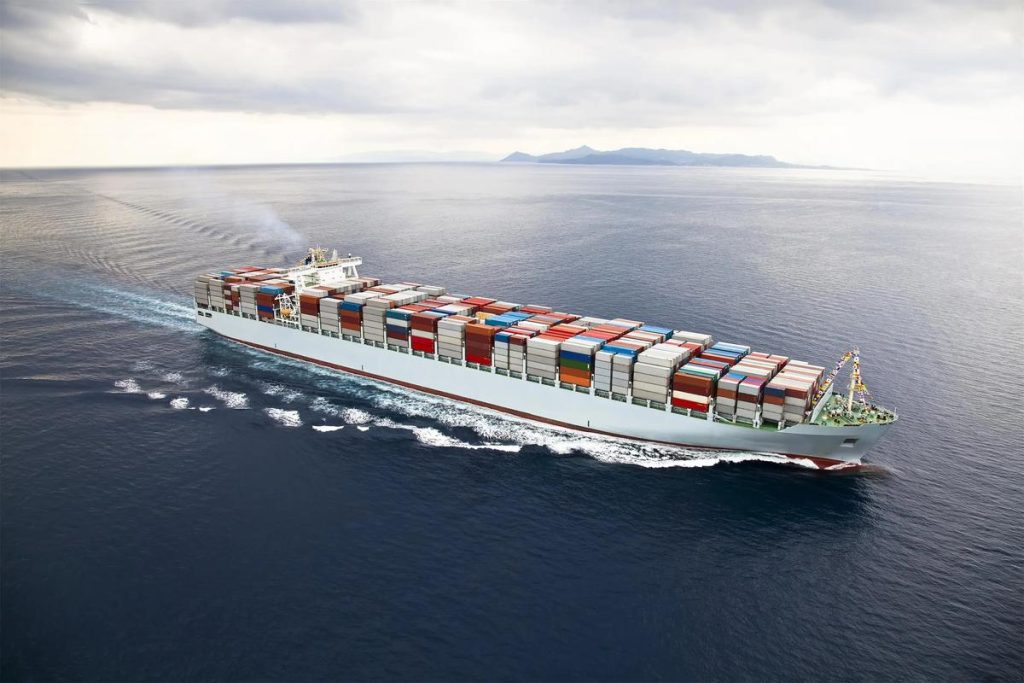
A Technical Manual for Compliance, Packaging, and Risk Mitigation
Shipping dangerous goods (DG) from China is not merely a logistical task; it is an exercise in regulatory compliance and risk engineering. A single documentation error or a misstep in packaging can lead to cargo holds, fines upwards of $20,000, or severe safety incidents.
As a Dangerous Goods Specialist with 18 years of hands-on experience in Chinese export logistics, I provide a definitive, non-generic guide to navigating the complexities of DG shipments from origin to destination.
1. The Foundation: Correct Classification (The Starting Point)
The most common mistake is assuming your product is “not that dangerous.” In the eyes of Chinese Customs and IATA/IMO, classification is absolute.
| Classification Element | Technical Requirement | Common Pitfall |
|---|---|---|
| UN Number | Must be assigned according to the UN Recommendations on the Transport of Dangerous Goods. | Using a generic UN number (e.g., UN 1993) without verifying the exact chemical composition. |
| Proper Shipping Name (PSN) | Must match the UN number exactly. | Using a commercial name instead of the technical PSN. |
| Class/Division | Determined by the primary hazard. | Misclassifying a toxic liquid as a flammable liquid to avoid stricter checks. |
| Packing Group (PG) | I (High Danger), II (Medium), III (Low). | Incorrect PG assignment leads to insufficient packaging. |
Actionable Step: Obtain a UN38.3 Test Report for batteries or an MSDS (Material Safety Data Sheet) that is compliant with GB/T 16483-2008 (China’s national standard). Foreign MSDS formats are often rejected by Chinese customs.
2. Packaging: The Physical Barrier
Packaging is not just a box; it is a safety system. For sea freight, the International Maritime Dangerous Goods (IMDG) Code dictates the standards.
| Packaging Type | Requirement | Verification Method |
|---|---|---|
| Inner Packaging | Must be compatible with the substance (no corrosive reaction). | Chemical compatibility test report. |
| Absorbent Material | Sufficient quantity to absorb 100% of the liquid content. | Weight calculation based on net quantity. |
| Outer Packaging | Must be UN-certified (marked with UN symbol, e.g., UN 4G/X10/S/20/CN/XXXX). | Visual inspection of the box marking. |
| Combination Packaging | Inner receptacles must be centered within the outer packaging. | Shake test to ensure no movement. |
Critical Note for Lithium Batteries: If shipping standalone lithium-ion batteries (UN 3480), they must be packed in UN-certified, fire-resistant packaging and declared as PI 965 Section IA or IB. Since 2020, China has enforced strict inspections on battery packaging integrity.
3. Documentation: The Paper Trail
Chinese authorities require a specific set of documents that differ slightly from Western practices.
| Document | Purpose | Technical Detail |
|---|---|---|
| DG Declaration (DGD) | Declares hazard class, UN number, and quantity. | Must be signed by a certified DG declarer. |
| MSDS (GB Version) | Details chemical properties and emergency measures. | Must be in Chinese, following GB/T 16483. |
| Transportation Condition Identification Report | Issued by a qualified lab (e.g., Shanghai Institute of Chemical Industry). | This is often mandatory for sea freight exports from China. |
| Customs Power of Attorney | Authorizes the forwarder to act on your behalf. | Must be stamped with the company chop. |
4. Operational Flow: From Factory to Port
The process involves coordination between the factory, the forwarder, and the terminal.
- Pre-booking: Inform the carrier (e.g., COSCO, MSC) at least 7 days prior. Some carriers restrict DG bookings to specific vessels.
- Warehouse Entry: DG cargo must enter the port warehouse via designated DG lanes.
- Customs Declaration: The HS code must match the DG classification. Mismatch triggers an automatic “Risk Management” lock.
- Container Loading: For LCL (Less than Container Load), mixing different classes is prohibited unless explicitly allowed by segregation rules (IMDG Table 7.2.4).
- Port Security Check: The container undergoes X-ray scanning. Any leakage or improper packing will result in rejection.
5. Cost Structure: Why DG Shipping is Expensive
| Cost Item | Typical Range (China to US West Coast) | Reason for Premium |
|---|---|---|
| Basic Ocean Freight | $4,000 – $8,000 / 20GP | Limited DG slots on vessels (usually max 10% of total). |
| DG Surcharge | $500 – $2,000 | Special handling and stowage requirements. |
| Emergency Response Fee | $100 – $300 | Required by some terminals for hazardous cargo. |
| Packaging Cost | $50 – $500 | UN-certified packaging is significantly more expensive. |
FAQ: Solving Technical Roadblocks
Q1: My factory says the product is “General Cargo,” but the MSDS says it’s Class 3. Who is right?
A: The MSDS is the legal truth. Customs will detain the cargo if the factory’s claim contradicts the MSDS. Always classify based on the SDS, not the salesperson’s word.
Q2: Can I ship DG via courier (DHL/FedEx) from China?
A: Yes, but only under IATA Section II (Limited Quantities) or Section IB (Lithium Batteries). Full DG shipments (Section IA) are almost always rejected by express couriers due to airport restrictions.
Q3: What happens if my battery passes UN38.3 but fails the 1.2m drop test?
A: The packaging is insufficient. You must use stronger outer packaging or add cushioning. The 1.2m drop test is a mandatory part of PI 965/968 compliance.
Q4: Are there specific Chinese holidays that halt DG exports?
A: Yes. During Golden Week (Oct 1-7) and Chinese New Year, most ports suspend DG acceptance due to staffing shortages and safety concerns. Plan shipments 2 weeks before these periods.
Q5: Can I use a “generic” MSDS downloaded from the internet?
A: No. Chinese Customs requires an MSDS specific to your product batch and manufacturer. A generic MSDS will be flagged for “false declaration,” resulting in heavy fines and blacklisting.
Conclusion: Safety is a Process, Not an Accident
Successfully shipping dangerous goods from China requires respecting the hierarchy of Classification → Packaging → Documentation → Booking. Skipping any step introduces unacceptable risk.
Ready to ship your DG cargo safely?
Contact our certified DG team for a pre-shipment compliance audit and a firm quotation.