

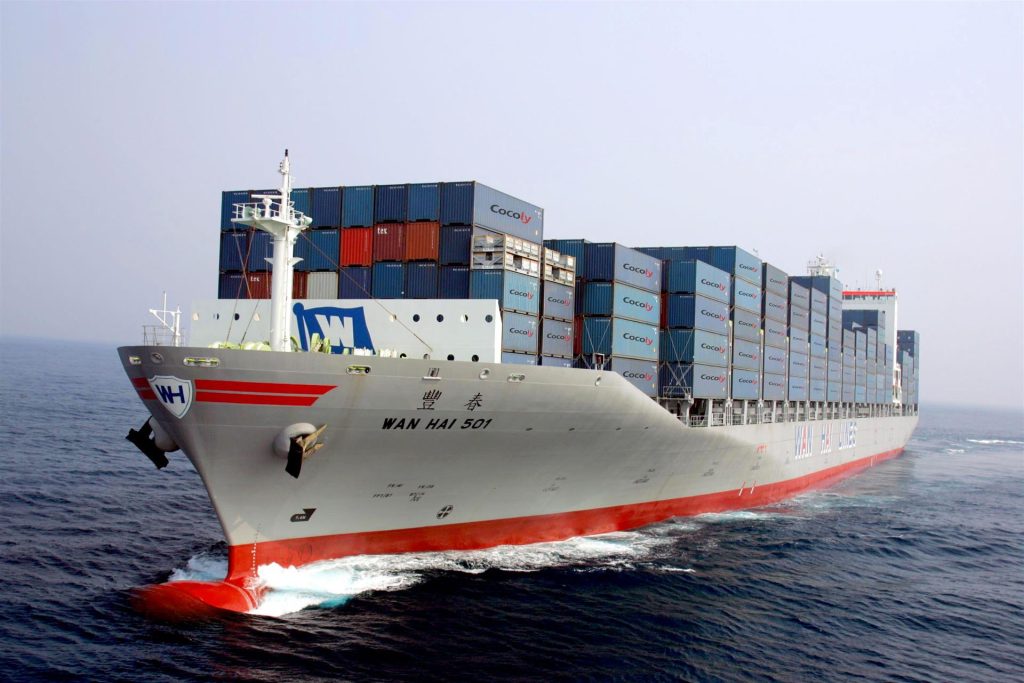
Introduction: Why Sea Freight Is the Most Popular Shipping Method from China
China is one of the largest manufacturing and export centers in the world. Every year, millions of businesses import products from China, including machinery, furniture, electronics, clothing, consumer goods, and industrial materials.
For most international importers, sea freight from China is the preferred transportation method because it offers:
- Lower shipping costs
- Large cargo capacity
- Reliable international transportation
- Flexible container options
However, many new importers have questions:
- How long does sea freight from China take?
- How much does ocean shipping cost?
- What documents are required?
- Should I choose FCL or LCL shipping?
This complete sea freight guide explains the process, costs, transit times, and important tips for importing goods from China.
1. What Is Sea Freight from China?
Sea freight is a transportation method where goods are shipped by ocean vessels from Chinese ports to international destinations.
Major Chinese export ports include:
- Shenzhen Port
- Shanghai Port
- Ningbo Port
- Guangzhou Port
- Qingdao Port
- Xiamen Port
Sea freight is suitable for businesses that need to transport:
- Large quantities of products
- Heavy cargo
- Oversized goods
- Regular commercial shipments
2. Types of Sea Freight from China
There are two main types of ocean shipping:
FCL Shipping (Full Container Load)
FCL means one customer uses an entire container.
Common container sizes:
- 20GP container
- 40GP container
- 40HQ container
Advantages of FCL:
✔ Lower cost per unit for large shipments
✔ Faster port handling
✔ Lower risk of cargo damage
✔ Better shipment control
FCL is ideal for:
- Factory imports
- Wholesale orders
- Large equipment
LCL Shipping (Less Than Container Load)
LCL means multiple customers share one container.
The freight cost is calculated based on:
- Cargo volume (CBM)
- Weight
- Destination
Advantages:
✔ Suitable for small shipments
✔ Lower starting cost
✔ Good for testing new products
Disadvantages:
- More handling procedures
- Longer processing time
LCL is commonly used by small and medium importers.
3. Sea Freight Transit Time from China
The shipping time depends on:
- Departure port
- Destination port
- Shipping route
- Customs clearance
- Seasonal conditions
Typical transit times:
China to USA
- West Coast: about 15–30 days
- East Coast: about 30–45 days
China to Europe
- Northern Europe: about 30–45 days
- Mediterranean region: about 35–50 days
China to Middle East
- About 20–35 days
China to Southeast Asia
- About 7–20 days
Actual delivery time may vary depending on port congestion and customs procedures.
4. How Much Does Sea Freight from China Cost?
There is no fixed sea freight price.
The cost depends on:
1. Shipping Route
Examples:
- Shenzhen to Los Angeles
- Shanghai to Rotterdam
- Ningbo to Dubai
Different routes have different freight rates.
2. Container Type
A 20-foot container and 40-foot container have different prices.
Common factors:
- Container availability
- Carrier rates
- Market demand
3. Cargo Volume and Weight
For LCL shipments, cost depends mainly on:
- Cubic meters (CBM)
- Weight
For FCL shipments, cost depends on:
- Container size
4. Additional Charges
Sea freight may include:
- Export handling fees
- Documentation fees
- Port charges
- Customs clearance
- Local delivery
Always confirm whether a quotation is:
- Port-to-port
- Door-to-port
- Door-to-door
5. Sea Freight Shipping Process from China
Step 1: Supplier Preparation
The Chinese supplier prepares:
- Products
- Packing
- Commercial invoice
- Packing list
Step 2: Cargo Pickup
The freight forwarder arranges pickup from:
- Factory
- Warehouse
- Supplier location
Step 3: Export Customs Clearance
Before shipment leaves China, customs documents must be submitted.
Common documents:
- Commercial invoice
- Packing list
- Export declaration
Step 4: Ocean Transportation
The cargo is loaded into a container and transported by sea.
During transportation, the shipment can be tracked through:
- Container number
- Bill of lading number
Step 5: Import Customs Clearance
After arriving at the destination country, the importer completes:
- Customs declaration
- Duty payment
- Import inspection if required
Step 6: Final Delivery
Goods can be delivered to:
- Warehouse
- Factory
- Store
- Customer address
6. Required Documents for Sea Freight from China
Commercial Invoice
Includes:
- Seller information
- Buyer information
- Product details
- Product value
Packing List
Includes:
- Package quantity
- Weight
- Dimensions
Bill of Lading (B/L)
A key shipping document issued by the carrier.
It includes:
- Shipper information
- Consignee information
- Cargo details
Certificate of Origin
Some countries require proof of product origin.
7. How to Reduce Sea Freight Costs from China
1. Choose the Right Shipping Method
Small shipments:
→ LCL may be better
Large shipments:
→ FCL usually provides better value
2. Optimize Product Packaging
Better packaging can:
- Reduce volume
- Increase container utilization
- Lower shipping expenses
3. Compare Different Ports
Sometimes choosing another nearby port can reduce costs.
Example:
Using Shenzhen instead of another nearby port may provide better rates depending on the supplier location.
4. Plan Shipments in Advance
Avoid peak seasons when freight prices increase.
Common busy periods:
- Before Christmas
- Chinese New Year
- Major shopping seasons
8. Common Sea Freight Problems and Solutions
Problem 1: Shipping Delays
Causes:
- Port congestion
- Weather conditions
- Customs inspection
Solution:
Work with experienced freight forwarders and prepare documents early.
Problem 2: Unexpected Charges
Causes:
- Unclear quotations
- Missing local fees
Solution:
Request a complete shipping quotation before booking.
Problem 3: Customs Issues
Causes:
- Incorrect product information
- Missing documents
Solution:
Provide accurate cargo details before shipment.
9. Why Choose a China Freight Forwarder for Sea Shipping?
A professional freight forwarder can provide:
- Factory pickup
- Container booking
- Export customs clearance
- Ocean freight arrangement
- Import support
- Door-to-door delivery
They can also help customers choose:
- Best shipping route
- Suitable carrier
- Cost-effective solution
Conclusion: Sea Freight from China Is the Best Choice for Many Importers
Sea freight remains the most economical international shipping method for businesses importing products from China.
By understanding:
- FCL and LCL shipping
- Transit times
- Freight costs
- Shipping procedures
- Required documents
Importers can reduce risks and improve supply chain efficiency.
Whether you are importing one pallet or multiple containers, choosing a reliable China freight forwarder can make your international shipping process easier, safer, and more cost-effective.
FAQ About Sea Freight from China
1. What is the cheapest way to ship goods from China?
For large commercial shipments, sea freight is usually the most affordable option.
2. How long does sea freight from China take?
Most international sea shipments take approximately 20–45 days depending on the destination.
3. What is the difference between FCL and LCL?
FCL uses a full container, while LCL shares container space with other shipments.
4. Can sea freight include door-to-door delivery?
Yes. Many freight forwarders provide door-to-door sea shipping services.
5. Do I need a freight forwarder for sea shipping from China?
A freight forwarder can simplify booking, customs clearance, documentation, and delivery arrangements.