

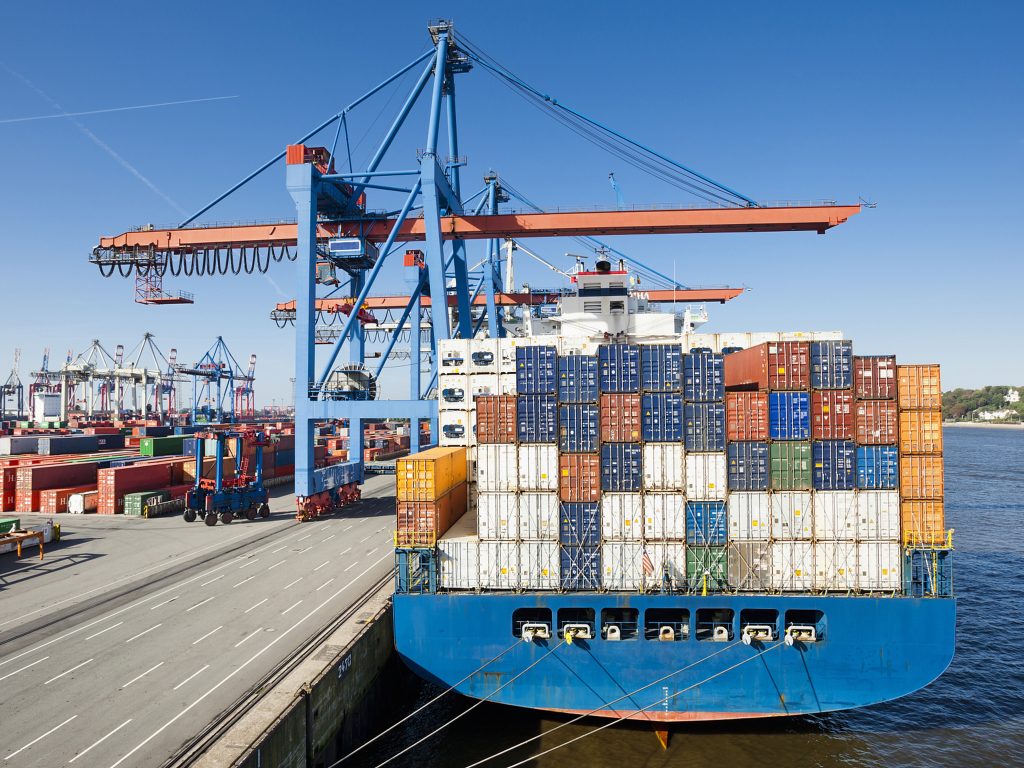
Understanding Container Shipping from China
China is one of the world’s largest exporters, and container shipping plays a key role in global trade. Every year, millions of containers leave Chinese ports carrying products such as machinery, furniture, electronics, clothing, industrial equipment, and consumer goods.
For importers, choosing the right container shipping method can directly affect:
- Transportation costs
- Delivery time
- Cargo safety
- Overall import profit
The two main container shipping options are:
- FCL (Full Container Load)
- LCL (Less Than Container Load)
This complete guide explains the differences between FCL and LCL, how container shipping costs are calculated, and how to choose the best solution when importing goods from China.
1. What Is Container Shipping from China?
Container shipping is a transportation method where goods are loaded into standardized containers and transported by ocean vessels from Chinese ports to international destinations.
Common shipping routes include:
- China to USA
- China to Canada
- China to Europe
- China to Middle East
- China to Southeast Asia
Major Chinese container ports include:
- Shenzhen Port
- Shanghai Port
- Ningbo Port
- Guangzhou Port
- Qingdao Port
- Xiamen Port
2. Common Container Sizes for Shipping from China
20GP Container
A 20-foot standard container is suitable for:
- Medium-sized shipments
- Heavy products
- Industrial goods
Approximate capacity:
- Around 28 CBM
40GP Container
A 40-foot standard container provides more space.
Suitable for:
- Large quantity shipments
- General cargo
Approximate capacity:
- Around 56 CBM
40HQ Container
A 40-foot high cube container has extra height.
Suitable for:
- Lightweight but bulky products
- Furniture
- Packaging products
Approximate capacity:
- Around 68 CBM
3. FCL Shipping from China Explained
What Is FCL?
FCL means Full Container Load.
One importer uses an entire container, even if the container is not completely full.
The shipment is loaded and delivered as one complete container.
Advantages of FCL Shipping
1. Lower Cost for Large Orders
When cargo volume is large, FCL usually has a lower cost per unit.
2. Faster Handling
Because the container belongs to one customer:
- Less warehouse handling
- Fewer loading procedures
- Faster transportation process
3. Better Cargo Security
The container is sealed after loading, reducing:
- Damage risk
- Cargo loss risk
- Handling problems
Suitable Products for FCL
FCL is ideal for:
- Machinery
- Furniture
- Building materials
- Large equipment
- Bulk consumer products
4. LCL Shipping from China Explained
What Is LCL?
LCL means Less Than Container Load.
Multiple importers share one container, and each customer pays based on cargo volume or weight.
Advantages of LCL Shipping
1. Suitable for Small Orders
Importers do not need enough products to fill a complete container.
2. Lower Initial Investment
New businesses can test products without purchasing large quantities.
3. Flexible Shipping Schedule
Small shipments can be arranged more frequently.
Disadvantages of LCL
Compared with FCL:
- More handling procedures
- Longer processing time
- Higher risk of minor cargo damage
5. FCL vs LCL: Which One Should You Choose?
| Comparison | FCL | LCL |
|---|---|---|
| Container Usage | One customer | Multiple customers |
| Best For | Large shipments | Small shipments |
| Cost | Lower for large volume | Better for small volume |
| Handling | Less | More |
| Speed | Usually faster | Usually slower |
Choose FCL If:
✔ Your shipment is large
✔ You import regularly
✔ You want better cargo control
✔ You need faster handling
Choose LCL If:
✔ Your cargo is small
✔ You are testing a new product
✔ You do not need a full container
6. How Much Does Container Shipping from China Cost?
Container shipping prices are affected by many factors.
1. Shipping Route
Examples:
- Shenzhen to Los Angeles
- Shanghai to Rotterdam
- Ningbo to Dubai
Different routes have different freight rates.
2. Container Type
Costs vary depending on:
- 20GP
- 40GP
- 40HQ
3. Season and Market Conditions
Ocean freight prices may change due to:
- Peak seasons
- Fuel prices
- Carrier capacity
- Global demand
4. Additional Charges
Importers should consider:
- Export fees
- Documentation fees
- Port handling charges
- Customs clearance
- Local delivery
A complete quotation should clearly show included services.
7. Container Shipping Process from China
Step 1: Supplier Production
The factory completes:
- Manufacturing
- Quality checking
- Packaging
Step 2: Container Loading
Goods are loaded into containers at:
- Factory
- Warehouse
- Port area
Step 3: Export Customs Clearance
Required documents include:
- Commercial invoice
- Packing list
- Export declaration
Step 4: Ocean Transportation
The container is shipped from China to the destination port.
Step 5: Import Customs Clearance
The importer handles:
- Customs declaration
- Taxes
- Inspection if required
Step 6: Container Delivery
The container is delivered to:
- Warehouse
- Factory
- Distribution center
8. How to Reduce Container Shipping Costs from China
1. Optimize Container Space
Better loading planning can reduce wasted space.
2. Choose the Right Container Size
Do not choose a large container if cargo volume does not require it.
3. Consolidate Supplier Orders
If buying from multiple Chinese factories, a freight forwarder can:
- Collect goods
- Store products
- Combine shipments
4. Book Shipping Early
Planning ahead helps avoid:
- Peak season price increases
- Limited container availability
9. Common Mistakes When Shipping Containers from China
Mistake 1: Incorrect Cargo Information
Wrong:
- Weight
- Volume
- Product description
can cause:
- Extra charges
- Customs delays
Mistake 2: Ignoring Packaging Requirements
Poor packaging can lead to:
- Product damage
- Space waste
Mistake 3: Choosing an Unreliable Forwarder
A professional freight forwarder should provide:
- Clear quotation
- Shipment tracking
- Customs support
10. Why Use a China Freight Forwarder for Container Shipping?
A professional freight forwarder can manage:
- Factory pickup
- Container booking
- Export customs
- Ocean transportation
- Import clearance
- Door-to-door delivery
Benefits include:
- Lower logistics risks
- Better route selection
- Professional document handling
- More efficient supply chain management
Conclusion: Choose the Right Container Shipping Solution from China
FCL and LCL shipping are both effective methods for importing products from China.
The right choice depends on:
- Cargo volume
- Budget
- Delivery requirements
- Business needs
For large shipments, FCL usually provides better value and control. For small shipments, LCL offers flexibility and lower entry costs.
Working with an experienced China freight forwarder can help importers choose the best container solution, reduce shipping problems, and build a more efficient global supply chain.
FAQ About Container Shipping from China
1. What is the difference between FCL and LCL?
FCL means one customer uses a full container, while LCL means multiple customers share container space.
2. How long does container shipping from China take?
Most ocean container shipments take around 20–45 days depending on destination and route.
3. Which is cheaper, FCL or LCL?
FCL is usually cheaper for large shipments, while LCL is better for small shipments.
4. Can a freight forwarder arrange container loading?
Yes. Freight forwarders can arrange factory pickup, loading, documentation, and shipping.
5. Can container shipping from China be delivered door-to-door?
Yes. Many logistics companies provide complete door-to-door container shipping services.