

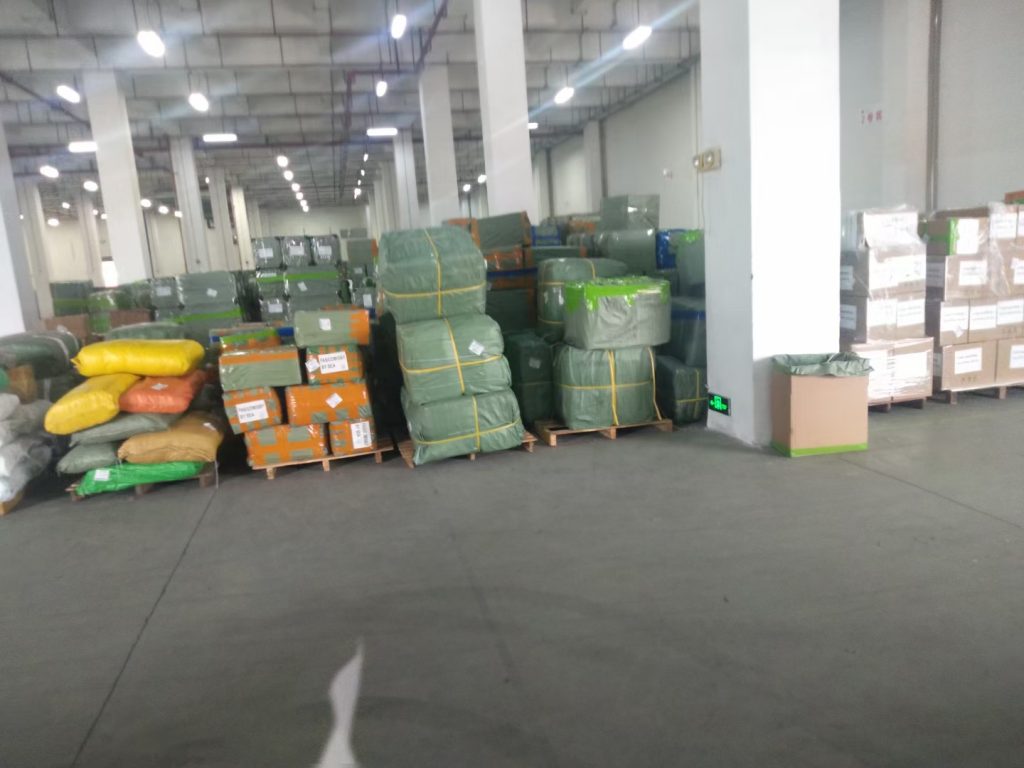
Introduction: Why Shipping Documents Are Important for International Trade
When importing products from China, transportation is only one part of the process. Proper shipping documents are essential to ensure goods can leave China, pass customs inspection, and arrive smoothly at the destination country.
Incorrect or incomplete documents can lead to:
- Customs delays
- Additional fees
- Cargo inspection
- Shipment rejection
- Delivery problems
Whether you are importing machinery, electronics, furniture, clothing, or consumer products, understanding international shipping documents can help you avoid unnecessary risks.
This guide explains the most important shipping documents, their purposes, and how importers should prepare them.
1. Commercial Invoice
What Is a Commercial Invoice?
A commercial invoice is one of the most important documents in international trade.
It provides customs authorities with details about the transaction between the exporter and importer.
A commercial invoice usually includes:
- Seller information
- Buyer information
- Product description
- Product quantity
- Unit price
- Total value
- Currency
- Trade terms (Incoterms)
- Country of origin
Why Is a Commercial Invoice Important?
Customs authorities use the commercial invoice to determine:
- Import duties
- Taxes
- Product classification
- Transaction value
Incorrect information may cause customs issues.
2. Packing List
What Is a Packing List?
A packing list provides detailed information about how goods are packaged.
It normally includes:
- Number of cartons
- Package type
- Product quantity
- Gross weight
- Net weight
- Package dimensions
- Volume (CBM)
Why Is a Packing List Needed?
A packing list helps:
- Freight companies handle cargo
- Customs inspect shipments
- Warehouses receive goods
It is especially important for large shipments and container shipping.
3. Bill of Lading (B/L)
What Is a Bill of Lading?
A Bill of Lading is a key document used in sea freight.
It is issued by the shipping carrier after cargo is loaded.
The B/L serves as:
- Proof of shipment
- Transportation contract
- Cargo receipt
Main Information on a Bill of Lading
Includes:
- Shipper
- Consignee
- Notify party
- Port of loading
- Port of discharge
- Cargo details
- Container number
Types of Bill of Lading
Original Bill of Lading
A traditional paper document used for cargo release.
Telex Release
Allows cargo release without sending original documents.
Sea Waybill
Used when document transfer is not required.
4. Air Waybill (AWB)
What Is an Air Waybill?
An Air Waybill is the main transportation document for air freight.
It is issued by airlines or freight forwarders.
It includes:
- Sender information
- Receiver information
- Flight details
- Cargo information
- Destination airport
Difference Between B/L and AWB
| Document | Used For |
|---|---|
| Bill of Lading | Sea freight |
| Air Waybill | Air freight |
5. Certificate of Origin (CO)
What Is a Certificate of Origin?
A Certificate of Origin confirms where the goods were manufactured.
It may be required by customs authorities in the importing country.
Why Is It Important?
A Certificate of Origin can affect:
- Import duties
- Trade agreements
- Customs approval
Some countries require it before releasing cargo.
6. Customs Declaration Documents
Export Customs Declaration
When goods leave China, exporters must complete export customs procedures.
Information includes:
- Product details
- HS code
- Export value
- Exporter information
Import Customs Declaration
When goods arrive at the destination country, importers must provide:
- Product information
- Commercial invoice
- Packing list
- Import permits if required
7. HS Code (Harmonized System Code)
What Is an HS Code?
An HS code is an international product classification system used by customs authorities.
It determines:
- Product category
- Import duties
- Tax rates
- Regulations
Why Is the Correct HS Code Important?
Incorrect HS codes may result in:
- Wrong duty calculation
- Customs delays
- Additional inspections
Importers should confirm HS codes before shipping.
8. Import Licenses and Certificates
Some products require special documents before entering certain countries.
Examples:
Electronics
May require:
- Safety certifications
- Compliance documents
Food Products
May require:
- Health certificates
- Inspection documents
Machinery
May require:
- Technical documents
- Safety certifications
9. Insurance Certificate
What Is Cargo Insurance?
Cargo insurance protects goods against risks during transportation.
Possible risks include:
- Damage
- Loss
- Accidents
When Is Insurance Recommended?
Insurance is especially useful for:
- High-value products
- Long-distance shipments
- Fragile goods
10. Documents Required Under Different Shipping Terms
Different Incoterms require different responsibilities.
EXW (Ex Works)
Buyer usually handles:
- Pickup
- Export procedures
- Shipping arrangements
FOB (Free On Board)
Supplier handles:
- Export clearance
- Delivery to port
Buyer handles:
- Main transportation
- Import procedures
CIF (Cost, Insurance and Freight)
Supplier arranges:
- Ocean freight
- Insurance
Buyer handles:
- Import customs
- Final delivery
DDP (Delivered Duty Paid)
Seller or logistics provider handles:
- Transportation
- Customs clearance
- Import duties
- Final delivery
11. Common Shipping Document Mistakes
Mistake 1: Incorrect Product Description
Wrong descriptions can cause customs inspection.
Always provide accurate:
- Product name
- Material
- Usage
Mistake 2: Incorrect Declared Value
Under-declaring goods may create:
- Customs penalties
- Shipment delays
Mistake 3: Missing Documents
Missing paperwork can prevent cargo release.
Prepare all documents before shipment.
Mistake 4: Wrong HS Code
Incorrect classification may affect:
- Taxes
- Customs clearance
- Import approval
12. How a Freight Forwarder Helps With Shipping Documents
A professional China freight forwarder can assist with:
- Document preparation
- Export customs clearance
- Shipping booking
- Customs coordination
- Import support
They help ensure documents match:
- Cargo information
- Shipping method
- Destination requirements
Conclusion: Proper Shipping Documents Make International Trade Easier
International shipping documents are the foundation of successful global trade.
The most important documents include:
- Commercial Invoice
- Packing List
- Bill of Lading
- Air Waybill
- Certificate of Origin
- Customs Declaration
- Insurance Documents
Preparing accurate documents helps avoid delays, reduce costs, and ensure smooth customs clearance.
For businesses importing from China, working with an experienced freight forwarder can simplify documentation, improve shipping efficiency, and create a more reliable supply chain.
FAQ About International Shipping Documents
1. What documents are required to import goods from China?
Most shipments require a commercial invoice, packing list, and transportation document such as a Bill of Lading or Air Waybill.
2. Who prepares shipping documents in international trade?
Usually the exporter, supplier, or freight forwarder prepares the necessary documents.
3. Do all products need a Certificate of Origin?
Not always. Requirements depend on the destination country and product type.
4. What happens if shipping documents are incorrect?
Incorrect documents can cause customs delays, additional costs, or shipment problems.
5. Can a freight forwarder handle customs documents?
Yes. Professional freight forwarders often assist with export and import documentation.