

Choosing the right freight forwarder in China is one of the most important decisions when importing goods from China. A reliable freight forwarder can help you control shipping costs, select the right transportation method, arrange customs clearance, reduce delays, and deliver cargo safely to the destination.
However, choosing a freight forwarder based only on the lowest quotation can create unexpected problems. A cheap freight rate may exclude customs clearance, destination charges, delivery fees, documentation, or other important services.
This guide explains how international buyers can evaluate a China freight forwarder, compare quotations, avoid common shipping problems, and choose a logistics partner that matches their cargo and destination.
What Does a China Freight Forwarder Do?
A freight forwarder acts as a logistics coordinator between the exporter, carrier, customs authorities, warehouse, and consignee.
Depending on the service, a China freight forwarder may arrange:
- Cargo pickup from the supplier
- Warehouse receiving and consolidation
- Export customs clearance
- Sea freight
- Air freight
- LCL shipping
- FCL shipping
- Door-to-door transportation
- DDP shipping
- Cargo insurance
- Export documentation
- Import customs coordination
- Last-mile delivery
- Shipment tracking
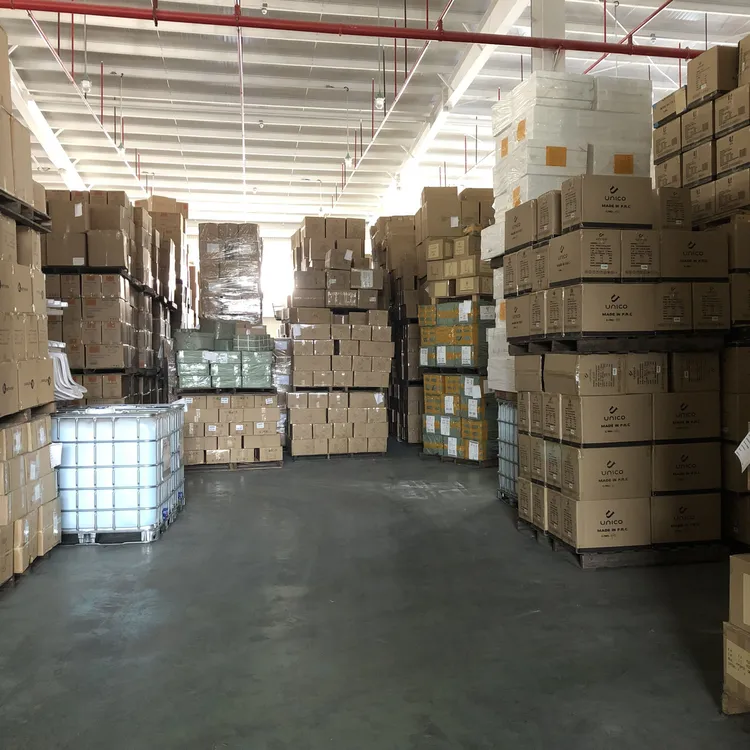
For example, if you purchase products from several suppliers in Shenzhen, Guangzhou, Yiwu, Ningbo, or other manufacturing centers, a freight forwarder can receive the goods at a warehouse, consolidate the shipments, and arrange transportation to your destination country.
This can be particularly useful for importers who do not have their own logistics team in China.
Why Is Choosing the Right Freight Forwarder Important?
International shipping involves many different parties and processes. A problem at any stage can affect the entire shipment.
For example, incorrect cargo information can lead to an inaccurate quotation. Improper export documentation can cause customs delays. Poor cargo consolidation can increase handling costs. An unsuitable shipping method can result in unnecessarily high transportation expenses.
A professional freight forwarder should therefore provide more than a freight rate.
You should evaluate the company based on:
- Experience with your shipping route
- Transportation options
- Communication speed
- Quotation transparency
- Customs knowledge
- Warehouse capabilities
- Cargo handling procedures
- Tracking and shipment visibility
- Problem-solving ability
- After-sales service
The cheapest quotation is not necessarily the lowest total logistics cost.
1. Check Whether the Freight Forwarder Handles Your Shipping Route
The first question is simple:
Can the freight forwarder regularly handle your origin and destination?
A company that specializes in China-to-USA shipments may not have the same level of experience with China-to-Ireland, China-to-Germany, China-to-Australia, or China-to-Middle East shipments.
Ask the freight forwarder:
- Which Chinese ports or airports can you ship from?
- Which destination ports or airports do you serve?
- Do you provide door-to-door delivery?
- Do you offer DDP services where legally and operationally appropriate?
- Do you handle LCL and FCL?
- Can you arrange air freight?
- Do you have experience with my cargo type?
Route experience matters because different countries have different customs procedures, documentation requirements, taxes, delivery networks, and carrier options.
2. Compare More Than the Freight Rate
When comparing freight forwarders, do not compare only the number shown on the quotation.
A proper freight quotation should clearly explain what is included.
Depending on the shipping method and trade terms, costs may include:
- Pickup charges
- Export documentation
- Export customs clearance
- Origin handling
- Ocean or air freight
- Destination handling
- Customs clearance
- Duties and taxes
- Delivery charges
- Warehouse charges
- Fuel or security surcharges
- Remote-area charges
- Other applicable fees
For example, one company may quote USD 800 for a shipment while another quotes USD 950.
The USD 800 quotation may look cheaper, but if it excludes destination handling and delivery, the final cost could be higher.
Always ask:
“Is this the total cost, and what charges are excluded?”
This simple question can prevent many unexpected logistics expenses.
3. Choose the Correct Shipping Method
A good freight forwarder should recommend a transportation method based on your cargo rather than simply selling the most expensive service.
Sea Freight
Sea freight is normally suitable for larger shipments and commercial cargo where transit time is less urgent.
Common options include:
- FCL — Full Container Load
- LCL — Less than Container Load
FCL may be suitable when the cargo volume is large enough to justify using a full container.
LCL allows several shippers to share container space and can be useful for smaller shipments.
Air Freight
Air freight is generally faster than ocean freight but usually costs more per kilogram.
It can be suitable for:
- Urgent orders
- Samples
- High-value products
- Small shipments
- Time-sensitive inventory
Express Shipping
Courier or express services may be suitable for documents, samples, small parcels, and certain low-volume shipments.
DDP Shipping
DDP generally refers to a delivery arrangement in which the seller is responsible for delivering the goods to the agreed destination with import formalities and applicable duties/taxes handled according to the agreed terms.
However, DDP is not automatically the best option for every shipment.
Before choosing DDP, confirm:
- What is included in the quoted price?
- Who is responsible for customs clearance?
- Are duties and taxes included?
- Is final delivery included?
- Are there restrictions on the cargo?
- Who will act as importer of record where required?
The exact responsibilities should be confirmed before payment and shipment.
4. Check the Freight Forwarder’s Experience With Your Product
Different cargo can require different handling procedures.
For example, ordinary garments, furniture, machinery, batteries, chemicals, food products, and fragile goods may have very different transportation requirements.
Before requesting a quotation, provide accurate information about your cargo.
Useful information includes:
- Product name
- Product description
- Quantity
- Number of cartons
- Carton dimensions
- Gross weight
- Volume
- HS code if available
- Cargo value
- Origin address
- Destination address
- Preferred shipping method
If your products contain batteries, liquids, magnets, chemicals, or other potentially restricted materials, tell the freight forwarder before booking.
Do not describe special cargo as ordinary cargo just to obtain a lower initial quotation.
Accurate cargo information helps the forwarder recommend an appropriate transportation solution.
5. Ask How the Company Calculates Chargeable Weight
For air freight and some other transportation services, the amount you pay may depend on chargeable weight rather than simply the actual scale weight.
For example, a lightweight but bulky shipment may have a higher volumetric weight.
This is why you should provide accurate carton dimensions.
For example:
- Length: 45 cm
- Width: 25 cm
- Height: 20 cm
If the carrier uses a divisor of 5,000 for the relevant air-freight calculation, the volumetric weight would be:
45 × 25 × 20 ÷ 5,000 = 4.5 kg
The applicable calculation method can vary by carrier and service, so always confirm the divisor and chargeable-weight rules in the quotation.
6. Evaluate Communication Before Booking
Communication quality is an important indicator of freight-forwarding service.
Before placing an order, send the same shipment information to several companies and observe:
- How quickly they respond
- Whether they understand your requirements
- Whether they ask useful questions
- Whether the quotation is clear
- Whether they explain potential risks
- Whether they provide realistic transit times
A freight forwarder that answers quickly but provides incomplete information may not necessarily be better than one that takes slightly longer but provides a carefully prepared quotation.
For international shipments, clear communication is often more valuable than a small difference in freight price.
7. Ask About Transit Time Carefully
Transit time should not be treated as a guaranteed delivery date unless the service contract specifically provides such a guarantee.
A shipment may involve:
Supplier pickup → Warehouse → Export customs → Port/Airport → Main transportation → Destination customs → Local delivery
Delays can occur because of:
- Port congestion
- Vessel schedules
- Flight capacity
- Customs inspections
- Incorrect documentation
- Weather
- Public holidays
- Destination delivery conditions
A professional freight forwarder should distinguish between estimated transit time and guaranteed delivery time.
For example, instead of simply saying:
“Your cargo will arrive in 15 days.”
A better quotation explains the estimated transportation schedule and identifies which parts of the process are subject to external conditions.
8. Check Customs Clearance Capability
Customs clearance is one of the most important parts of international logistics.
The freight forwarder should be able to explain the documentation and customs process relevant to the shipment.
Depending on the cargo and destination, documents may include:
- Commercial invoice
- Packing list
- Bill of lading
- Air waybill
- Certificate of origin
- Import permits where required
- Product-specific compliance documents
The exact requirements depend on the destination country and product.
If you are unsure whether your cargo can be imported, ask the freight forwarder before shipping.
It is much better to identify a potential customs problem before the goods leave China than after the shipment reaches the destination.
9. Check Whether the Freight Forwarder Provides Warehouse Consolidation
Many international buyers purchase products from multiple Chinese suppliers.
For example:
- Supplier A in Guangzhou
- Supplier B in Shenzhen
- Supplier C in Foshan
- Supplier D in Yiwu
Sending every supplier’s goods separately can increase logistics costs.
A freight forwarder with a suitable consolidation warehouse may receive the cargo from multiple suppliers, check the packages, consolidate the goods, and arrange one international shipment.
Before using consolidation services, confirm:
- Warehouse receiving fees
- Storage period
- Consolidation charges
- Repacking charges
- Inspection services
- Carton labeling
- Final shipping method
This can make LCL or other consolidated shipments easier to manage.
10. Ask About Tracking and Shipment Updates
Good shipment visibility is important for international buyers.
Depending on the service, tracking information may include:
- Warehouse receipt
- Container loading
- Vessel departure
- Transshipment
- Arrival at destination port
- Customs clearance
- Local delivery
- Final delivery
Ask the freight forwarder how shipment updates will be provided.
You should also know who to contact if the tracking information stops updating or if the shipment encounters a problem.
11. Verify the Company Before Sending Payment
Before transferring money to a freight forwarder, perform basic verification.
Check:
- Legal company name
- Business registration information
- Office or warehouse information
- Company email domain
- Website
- Service history
- Customer references where available
- Payment beneficiary information
The beneficiary receiving payment should be consistent with the agreed commercial arrangement.
Be cautious if a company suddenly asks you to transfer payment to an unrelated personal account or an unrelated company without a clear explanation.
12. Ask for a Detailed Written Quotation
A professional quotation should be easy to understand.
Ideally, it should include:
Origin: China
Destination: Your country/city
Cargo: Product description
Quantity: Cartons/pallets
Weight: Gross weight
Volume: CBM
Shipping method: Sea/Air/LCL/FCL/DDP where applicable
Transit time: Estimated
Rate: Freight charge
Included services: Clearly listed
Excluded charges: Clearly listed
Validity: Quotation validity period
This makes it much easier to compare different freight forwarders fairly.
13. Do Not Choose a Freight Forwarder Based Only on Price
Price matters, but it should not be the only factor.
Imagine three quotations:
| Freight Forwarder | Quotation | Service |
|---|---|---|
| A | USD 780 | Basic service, several charges excluded |
| B | USD 850 | Transparent quotation and door delivery |
| C | USD 1,050 | Premium service with additional handling |
The right choice depends on your actual requirements.
A buyer shipping commercial inventory may value reliability and predictable costs more than saving USD 70 on the initial quotation.
The objective should be:
Lowest reasonable total logistics cost + appropriate service + reliable execution.
14. Questions to Ask Before Choosing a China Freight Forwarder
Before confirming a shipment, ask the following questions:
- What shipping methods do you offer?
- Can you pick up cargo from my supplier?
- Can you consolidate goods from multiple suppliers?
- What is included in your quotation?
- What charges are excluded?
- What is the estimated transit time?
- Can you handle customs clearance?
- Do you provide door-to-door delivery?
- Can you handle my specific product?
- How will I receive shipment updates?
- What happens if customs holds the cargo?
- What happens if the cargo is delayed?
- Do you offer cargo insurance?
- How long is the quotation valid?
- What information do you need to provide the final quotation?
A freight forwarder that can answer these questions clearly is generally easier to work with.
15. What Information Should You Send When Requesting a Freight Quote?
To receive an accurate quotation, prepare the following information:
Origin address:
City and province in China
Destination:
Country, city, airport/port, or complete delivery address
Product:
Detailed product description
Quantity:
Number of cartons, pallets, or pieces
Dimensions:
Length × width × height of each carton
Weight:
Gross weight
Volume:
Total CBM if known
Cargo value:
Commercial value of the goods
Shipping method:
Sea freight, air freight, LCL, FCL, express, or DDP where applicable
Special requirements:
Fragile cargo, batteries, oversized goods, temperature-sensitive goods, or other special handling requirements
The more accurate the information, the more useful the quotation will be.
Get a Freight Quote From China
If you are planning to ship goods from China, you do not need to know every logistics term before contacting a freight forwarder.
Simply provide:
- Where the goods are located in China
- Where the goods need to go
- What the products are
- Number of cartons
- Carton dimensions
- Total weight
- Preferred delivery method
The freight forwarder can then evaluate the shipment and recommend suitable transportation options.
For buyers comparing China freight forwarders, the best approach is not simply to search for the cheapest shipping price. Compare the total cost, included services, transit expectations, customs arrangements, communication, cargo handling, and reliability.
A well-prepared quotation allows you to understand your real logistics cost before making a shipping decision.
FAQ
1. How do I find a reliable freight forwarder in China?
Look for a freight forwarder with experience on your specific route and cargo type. Compare several quotations, verify the company information, check what services are included, and evaluate communication before booking.
2. How many freight forwarders should I compare?
For a new shipping route, comparing around three to five suitable freight forwarders can give you a useful understanding of market pricing and service differences.
3. Is the cheapest China freight forwarder the best choice?
Not necessarily. A low quotation may exclude destination charges, customs clearance, delivery, handling, or other fees. Compare the complete cost and service scope instead of the headline price.
4. What information is required for a freight quotation?
Normally you should provide the origin, destination, product description, quantity, carton dimensions, gross weight, volume, cargo value, and preferred transportation method.
5. Can a China freight forwarder pick up goods from my supplier?
Many freight forwarders provide supplier pickup services. You should provide the supplier’s complete address and contact information when requesting a quotation.
6. Can I combine goods from different Chinese suppliers?
Yes, consolidation is a common logistics requirement. A freight forwarder may receive goods from different suppliers at a warehouse and consolidate them into one shipment, subject to the service and cargo requirements.
7. Which is cheaper, sea freight or air freight?
Sea freight is generally more economical for larger and less time-sensitive shipments, while air freight is generally faster but more expensive. The best option depends on cargo weight, volume, destination, and delivery deadline.
8. What is LCL shipping?
LCL means Less than Container Load. Your cargo shares container space with cargo from other shippers. It can be suitable when your shipment does not require a full container.
9. What is FCL shipping?
FCL means Full Container Load. The shipper uses a full container for the shipment. FCL can be suitable for larger cargo volumes.
10. What does DDP shipping mean?
DDP, or Delivered Duty Paid, is an Incoterm in which the seller has broad responsibility for delivering the goods to the agreed destination, including import formalities and applicable duties/taxes as specified by the contract. The exact responsibilities should always be confirmed before shipment.
11. Can a freight forwarder handle customs clearance?
Many freight forwarders coordinate customs clearance, but the exact service depends on the country, cargo, trade terms, and local regulations. Confirm the customs service before booking.
12. How long does shipping from China take?
Transit time varies according to the destination, shipping method, origin, carrier schedule, customs clearance, and final delivery location. Ask the freight forwarder for an estimated transit time based on your specific shipment rather than relying on a general number.
13. Should I insure my cargo?
Cargo insurance can provide protection against certain covered risks during transportation. Whether insurance is appropriate depends on the cargo value, type, transportation method, and your risk tolerance.
14. How can I get a more accurate shipping quote?
Provide complete cargo information, including product type, origin, destination, carton quantity, dimensions, gross weight, total volume, and shipping requirements. Incomplete information can result in an inaccurate initial quotation.
15. What is the best way to start working with a China freight forwarder?
Start by sending your shipment details and requesting a written quotation. Compare the service scope, total cost, transit expectations, customs arrangements, and communication before selecting a logistics partner.
Final Checklist: Choosing the Right China Freight Forwarder
Before booking your shipment, make sure you have checked:
- [ ] Route experience
- [ ] Cargo-handling capability
- [ ] Sea and air freight options
- [ ] LCL/FCL availability
- [ ] Door-to-door service
- [ ] Customs clearance
- [ ] Warehouse consolidation
- [ ] Transparent quotation
- [ ] Included and excluded charges
- [ ] Estimated transit time
- [ ] Shipment tracking
- [ ] Cargo insurance options
- [ ] Company information
- [ ] Payment details
- [ ] Customer service
- [ ] Emergency/problem-solving process
Choosing the right freight forwarder is ultimately about finding a logistics partner that can provide a suitable combination of price, service, communication, transparency, and reliability.
If you are planning to ship goods from China, prepare your cargo details and request a detailed quotation before making a decision. Comparing the complete logistics solution—not just the lowest freight rate—can help you avoid unexpected costs and shipping problems.