

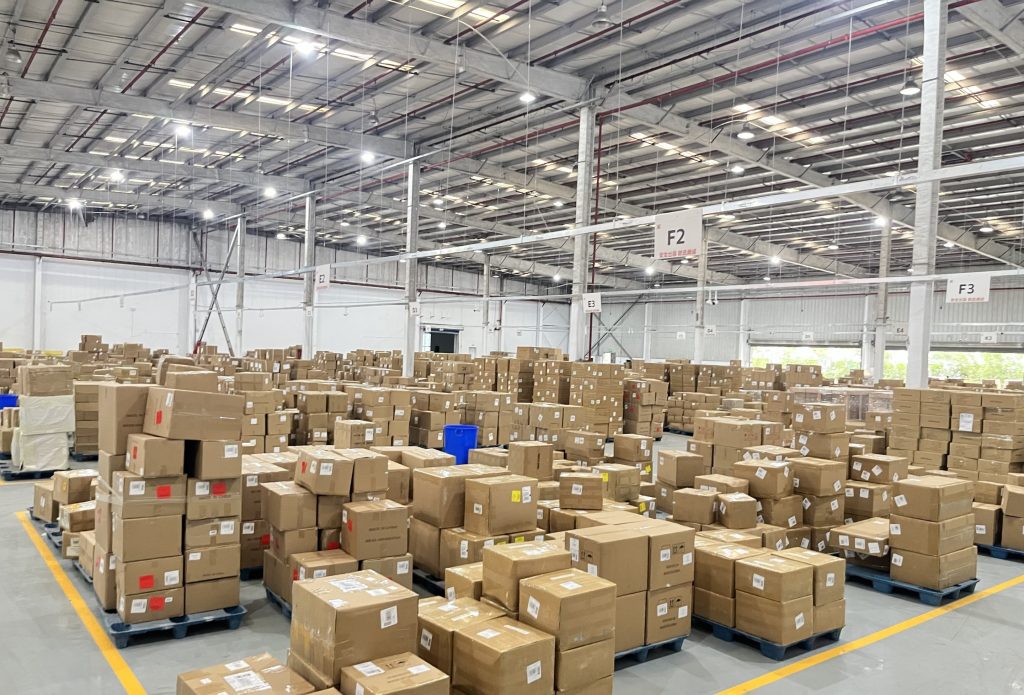
Finding a dependable freight forwarder in China is one thing. Building a productive, long-term working relationship with them is another. Many importers treat their forwarder like a transactional vendor — call them when you need a quote, ignore them otherwise, and switch at the first sign of a better price. But the most successful businesses take a different approach. They treat their China-based forwarder as a strategic partner, investing time in the relationship and reaping the rewards of priority service, proactive problem-solving, and insider market knowledge.
This guide walks you through every stage of working with a dependable freight forwarder — from your very first email to building a partnership that scales with your business for years to come.
1. Before You Start: Setting the Foundation for Success
The quality of your collaboration depends heavily on how you start. Before you even reach out to a forwarder, get your own house in order:
- Document your shipping profile: Create a one-page summary of your typical products, weights, dimensions, destinations, and preferred Incoterms. This saves you from repeating yourself and helps the forwarder understand your needs immediately.
- Organize supplier information: Have your suppliers’ contact details, addresses, and pickup requirements ready. If you work with multiple factories, map out their locations and typical production timelines.
- Clarify your priorities: Are you optimizing for cost, speed, or reliability? Be honest about what matters most — a good forwarder can’t serve you well if you say “both” to every trade-off.
When you first contact a forwarder, send a clear, detailed brief. Include your product description, estimated volume, target destination, desired shipping method, and timeline. The more information you provide upfront, the more accurate their quote and advice will be.
2. The Onboarding Process: From First Contact to First Shipment
Once you’ve chosen a forwarder based on thorough evaluation, the onboarding phase is where you establish workflows, set expectations, and test the relationship with a trial shipment.
- Sign a clear agreement: Don’t rely on verbal promises. Ensure you have a written contract or terms of service that covers liability limits, payment terms, claims procedures, and confidentiality. If you’re sharing product designs or supplier information, protect your IP.
- Set up communication protocols: Agree on your primary communication channel (email, WeChat, WhatsApp, Slack), expected response times, and who your dedicated contact person is. Clarify time zone coverage — especially important if you’re in the US or Europe.
- Run a trial shipment: Start with a small, non-urgent order. Use this as a live test of their pickup coordination, documentation accuracy, tracking updates, and delivery performance. Provide feedback immediately after the trial so they know what to adjust.
- Verify the tech setup: If they offer an online portal or API integration, get it configured during the trial. Don’t wait until peak season to figure out how to track your shipments.
3. Day-to-Day Collaboration: Best Practices for Smooth Operations
With the trial complete and the relationship formalized, here’s how to maintain a smooth working rhythm:
- Give as much lead time as possible: Forwarders can work miracles, but they’re not magicians. The earlier you share your forecast and booking requests, the better rates and space they can secure for you. Even a rough estimate 4–6 weeks out helps them plan.
- Be transparent about your products: Never hide sensitive materials (batteries, liquids, branded items) to “make shipping easier.” Surprises at the airport or seaport lead to seized goods, fines, and broken trust. Full disclosure upfront allows your forwarder to route your shipment correctly.
- Respond promptly to requests: Your forwarder will sometimes need quick decisions from you — a customs question, a delivery appointment confirmation, or a rate confirmation. Slow responses from your side cascade into delays that hurt both of you.
- Provide feedback, not just complaints: If something goes wrong, address it constructively. But also recognize when they’ve done a great job — especially during difficult situations like port congestion or customs holds. Positive reinforcement builds loyalty.
- Share your business context: Let your forwarder know about upcoming product launches, seasonal spikes, or changes in your sales strategy. When they understand your bigger picture, they can proactively suggest solutions like split shipments, bonded storage, or alternative routes.
4. Building a Long-Term Partnership That Scales With Your Business
The real magic happens when your forwarder becomes a true extension of your team. Here’s how to get there:
- Schedule regular reviews: Every quarter, sit down (virtually or in person) to review performance metrics: on-time delivery rates, quote accuracy, incident frequency, and cost trends. Discuss what’s working and what needs improvement.
- Involve them in planning: When you’re negotiating with new suppliers or entering a new market, bring your forwarder into the conversation early. They can advise on logistics feasibility, estimated costs, and potential compliance hurdles before you commit.
- Reward loyalty appropriately: You don’t have to overpay, but if your forwarder consistently delivers value, don’t jump ship for a marginal savings on a single shipment. Loyal clients get prioritized during space crunches, peak seasons, and capacity shortages. Forwarders remember who stuck with them.
- Invest in mutual growth: As your volumes grow, your forwarder may need to allocate more resources to your account — a dedicated ops person, customized reporting, or priority carrier space. Be open to adjusting your agreement to reflect this evolving relationship.
- Plan for contingencies together: Discuss “what-if” scenarios: What if your main supplier shuts down? What if your destination port is congested for a month? What if a new tariff hits your product category? A forwarder who’s thought through these scenarios with you is worth their weight in gold.
Conclusion
Working with a dependable freight forwarder based in China isn’t a one-time transaction — it’s an ongoing collaboration that, when done right, becomes one of your business’s greatest competitive advantages. The forwarder who knows your products, understands your priorities, and has earned your trust will move mountains for you when things get tough. Invest in the relationship, communicate openly, and treat them as a partner rather than a vendor. In the unpredictable world of global trade, that partnership is the closest thing to a safety net you’ll ever have.
FAQ: Working with a Dependable Freight Forwarder Based in China
Q1: What information should I provide when contacting a freight forwarder for the first time?
A: Provide as much detail as possible: product name and description, HS code (if known), approximate weight and dimensions, pickup location(s) in China, destination address, desired shipping method, target delivery date, and Incoterm preference. The more specific you are, the more accurate their quote and advice will be. A vague inquiry like “how much to ship to the US?” will only get you a vague, useless response.
Q2: How often should I review my forwarder’s performance?
A: Conduct a formal review every quarter for the first year, then at least twice a year thereafter. Track metrics like on-time pickup rate, documentation accuracy, customs clearance success rate, and communication responsiveness. Don’t wait for a major failure to evaluate — small, recurring issues are easier to fix early.
Q3: What should I do if my forwarder makes a mistake that costs me money?
A: Address it immediately and professionally. Document the issue with photos, emails, and cost evidence. Refer to your contract’s liability terms. A dependable forwarder will acknowledge the error, explain what happened, and offer a fair resolution — whether that’s a refund, a credit, or covering the extra costs. If they deflect blame or go silent, that’s a sign the relationship may not be salvageable.
Q4: Should I use just one forwarder or multiple forwarders?
A: For most small to mid-sized businesses, starting with one primary forwarder simplifies communication and often secures better rates through volume consolidation. However, having a secondary forwarder as a backup is wise — especially during peak season or if your primary forwarder lacks coverage for a specific route. As you scale, a “primary + backup” model gives you flexibility without the overhead of managing too many relationships.
Q5: How can I give feedback that actually improves my forwarder’s service?
A: Be specific, timely, and constructive. Instead of saying “your communication is bad,” say “I didn’t receive an update between pickup and customs clearance, which made it hard to plan my inventory. Can we set up automated notifications at each milestone?” Forwarders appreciate clear, actionable feedback because it helps them serve you better — and retain your business.
Q6: My forwarder suggested changing my shipping terms from FOB to EXW. Should I agree?
A: It depends. EXW (Ex Works) means the forwarder handles pickup from the factory, giving you more control and potentially better rates since they manage the entire chain. However, it also means you’re responsible for the goods the moment they leave the factory — including any damage during loading. FOB (Free on Board) means the supplier handles loading onto the vessel, which shifts some risk to them. Discuss the pros and cons with your forwarder in the context of your specific supplier relationships and product fragility before deciding.
Q7: Can my forwarder grow with my business, or will I need to switch as I scale?
A: A good forwarder will scale with you — but you need to communicate your growth plans. As your volume increases, ask about volume-based rate discounts, dedicated account support, and advanced services like bonded warehousing or distribution. If your forwarder is too small to handle your growth, they’ll usually be honest about it. The best ones will either expand their capacity or help you transition to a larger partner. The key is having these conversations early, not after you’ve already outgrown them.