

China Dangerous Goods Battery Sea Freight LCL Freight Forwarder
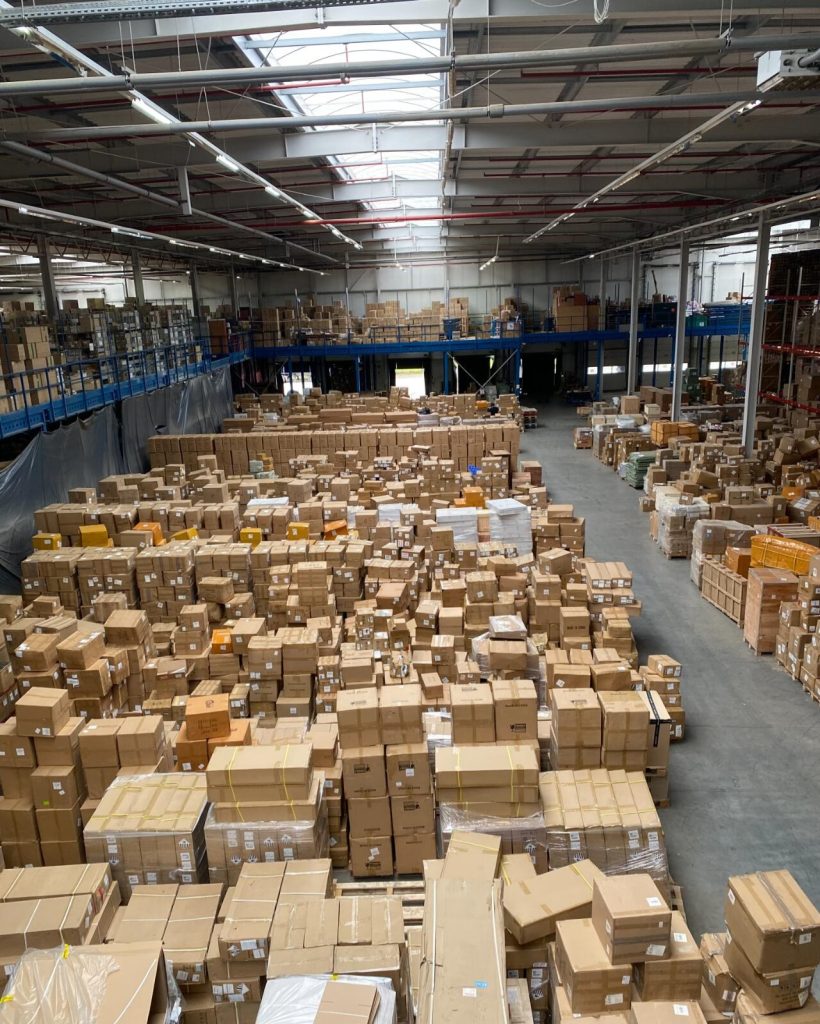
Looking for a reliable China dangerous goods battery sea freight LCL freight forwarder? Shipping lithium batteries and other regulated battery products internationally requires careful cargo classification, compliant packaging, documentation, and coordination with shipping lines and destination customs.
A professional freight forwarder can help exporters arrange LCL (Less than Container Load) sea freight when the shipment does not require a full container, while coordinating the special requirements applicable to dangerous goods.
What Dangerous Goods Battery LCL Shipping Includes
Depending on the battery type and shipment characteristics, the logistics process may involve:
- Lithium-ion batteries
- Lithium-metal batteries
- Battery packs and battery cells
- Batteries packed with equipment
- Batteries contained in equipment
- Other regulated battery products
Before booking, the cargo should be correctly classified according to applicable dangerous goods regulations. Information such as UN number, proper shipping name, battery type, watt-hour rating or lithium content, packaging method, and transport condition may affect whether the shipment can be accepted for sea transportation.
Why Choose LCL Sea Freight?
For exporters with smaller quantities of batteries, LCL shipping can be more practical than booking a full container.
LCL allows cargo from different shippers to be consolidated into one container. This can reduce container-related costs when the shipment volume is relatively small.
However, dangerous goods LCL shipments require additional coordination because compatible dangerous goods must be consolidated and handled according to applicable regulations and the requirements of the carrier, consolidator, port, and destination country.
Professional Dangerous Goods Shipping Process
A typical China-to-overseas battery shipment may include:
1. Cargo Information Review
Provide the product name, battery specifications, UN classification, quantity, packaging details, dimensions, weight, and destination.
2. Dangerous Goods Classification
The shipment is reviewed to determine the applicable dangerous goods requirements.
3. Documentation Preparation
Depending on the cargo and route, documents may include a Safety Data Sheet (SDS), dangerous goods declaration, packing information, commercial invoice, packing list, and other required documents.
4. LCL Warehouse Arrangement
The cargo is delivered to an appropriate warehouse for consolidation and inspection.
5. Sea Freight Booking
The forwarder coordinates with suitable carriers or consolidators based on the cargo classification and destination.
6. Export Customs Clearance
The shipment goes through the required export customs procedures in China.
7. Ocean Transportation
The consolidated container is transported by sea to the destination port.
8. Destination Handling and Delivery
After arrival, destination-side customs clearance, deconsolidation, and final delivery can be arranged according to the selected service.
What Information Should You Provide for a Quote?
To obtain an accurate quotation, buyers should normally provide:
| Information | Example |
|---|---|
| Product | Lithium-ion battery |
| UN Number | UN3480 / UN3481, if applicable |
| Battery Capacity | 100Ah |
| Voltage | 48V |
| Quantity | 50 cartons |
| Gross Weight | 500 kg |
| Cargo Volume | 2 CBM |
| Origin | Shenzhen, China |
| Destination | Rotterdam, Netherlands |
| Shipping Method | LCL Sea Freight |
| Service | Port-to-Port / Door-to-Door |
The actual classification and shipping requirements must be confirmed from the cargo’s documentation and specifications rather than assumed from the product name alone.
China Dangerous Goods Battery Sea Freight Advantages
A specialized freight forwarder can help with:
- Dangerous goods shipment assessment
- LCL consolidation
- Export customs coordination
- Shipping-line booking
- Dangerous goods documentation
- Warehouse coordination
- Port handling
- Destination customs coordination
- Door-to-door logistics solutions where available
Because dangerous goods regulations and carrier acceptance policies can vary by route, not every battery shipment can use the same LCL service. Early cargo assessment is therefore important.
Frequently Asked Questions
Can lithium batteries be shipped by LCL sea freight from China?
Some lithium battery shipments can be transported by LCL sea freight, but acceptance depends on the battery classification, documentation, packaging, carrier requirements, and specific route.
Do I need an SDS for battery shipping?
An SDS is commonly requested for battery cargo assessment, but the exact documentation depends on the product and transportation requirements.
Can you ship batteries from China to Europe?
Battery shipments can potentially be arranged to European destinations, subject to dangerous goods classification, carrier acceptance, and applicable regulations.
Is LCL cheaper than FCL for batteries?
For smaller shipments, LCL can be more economical because the shipper does not need to pay for an entire container. The final cost depends on dangerous goods handling, volume, weight, destination, and other charges.
Can dangerous goods batteries be shipped door to door?
A door-to-door service may be available on certain routes, but the shipment must meet the requirements of every transport stage and the destination country’s regulations.
Conclusion:
Choosing an experienced China Dangerous Goods Battery Sea Freight LCL Freight Forwarder can simplify the complex process of battery transportation. Accurate cargo information, proper classification, compliant documentation, suitable packaging, and carrier confirmation are essential for safe and reliable international shipping.