

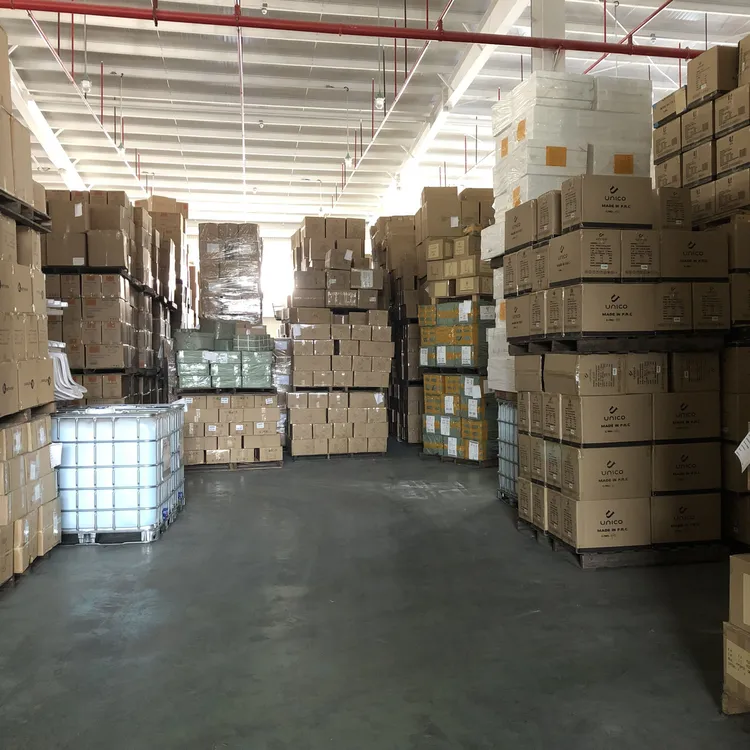
Finding a reliable China battery LCL shipping specialist for dangerous goods is important for exporters who need to transport lithium batteries and other regulated battery products from China to overseas markets.
LCL, or Less than Container Load, allows smaller shipments to share container space. For dangerous goods batteries, however, the shipment must meet applicable transportation regulations and the acceptance requirements of the shipping line or consolidator.
What Battery Products Can Be Shipped?
Depending on the specific classification and carrier acceptance, battery cargo may include:
- Lithium-ion batteries
- Lithium-metal batteries
- Rechargeable battery packs
- Battery cells
- Energy storage batteries
- Power batteries
- Portable power stations
- Batteries packed with equipment
- Batteries contained in equipment
The exact transportation requirements depend on the battery’s specifications, classification, packaging, and shipping conditions.
Why Choose a Battery LCL Specialist?
Dangerous goods battery shipping requires more preparation than ordinary cargo. A specialized freight forwarder can help coordinate:
- Battery cargo assessment
- Dangerous goods classification
- Documentation review
- LCL consolidation
- Carrier booking
- Export customs clearance
- Warehouse handling
- Ocean transportation
- Destination customs coordination
- Door-to-door delivery where available
The objective is to ensure that the shipment is properly prepared before it enters the transportation chain.
China Battery LCL Shipping Process
1. Cargo Information
Provide complete information about the battery:
- Product name
- Battery chemistry
- UN classification
- Voltage
- Capacity
- Watt-hour rating
- Quantity
- Number of cartons
- Package dimensions
- Gross weight
- Total CBM
- Origin
- Destination
2. Document Review
Depending on the cargo, documents such as an SDS, dangerous goods declaration, commercial invoice, packing list, and relevant battery transportation documents may be required.
3. Dangerous Goods Assessment
The shipment is reviewed according to the applicable dangerous goods requirements.
4. Carrier Acceptance
The selected carrier or consolidator confirms whether the battery cargo is acceptable for the proposed route.
5. LCL Warehouse Handling
The shipment is delivered to the designated warehouse for appropriate handling and consolidation with compatible cargo.
6. Export Customs
The required Chinese export customs procedures are completed.
7. Sea Transportation
The consolidated container is transported by sea to the destination port.
8. Destination Delivery
Depending on the service, customs clearance, deconsolidation, and final delivery can be arranged at destination.
What Information Is Needed for a Quotation?
For example:
Product: Lithium-ion battery
UN Classification: Applicable classification
Voltage: 48V
Capacity: 100Ah
Quantity: 40 cartons
Gross Weight: 500 kg
Volume: 2.5 CBM
Origin: Shenzhen, China
Destination: Hamburg, Germany
Shipping Method: DG LCL Sea Freight
A quotation should be based on the actual cargo information rather than only the product name.
LCL vs. FCL
For smaller shipments, LCL can avoid the need to book a complete container.
For larger quantities, FCL may provide a more appropriate solution.
For dangerous goods batteries, however, shipment size is not the only consideration. Classification, carrier acceptance, consolidation compatibility, route, and destination requirements also need to be considered.
How to Avoid Shipping Delays
Provide accurate battery specifications.
Incorrect information can result in additional review or rejection.
Prepare documentation early.
Having relevant battery documents available can speed up the assessment process.
Confirm carrier acceptance before delivery.
Not every carrier accepts every type of dangerous goods battery.
Use compliant packaging.
Packaging requirements depend on the applicable battery classification.
Confirm destination requirements.
Import and destination handling requirements can affect the available service.
FAQ
Can lithium batteries be shipped by LCL from China?
Some lithium battery shipments can be transported by LCL, subject to dangerous goods requirements, compatibility, and carrier acceptance.
Can you ship batteries to Europe?
Suitable China-to-Europe sea freight services may be available depending on the battery classification, carrier, route, and destination.
Is LCL suitable for small battery shipments?
It can be suitable when the shipment is too small to justify a full container and the cargo can be accepted for LCL consolidation.
What documents may be required?
Depending on the shipment, an SDS, dangerous goods declaration, commercial invoice, packing list, and relevant battery transportation documentation may be requested.
Can the shipment be delivered directly to the buyer?
Door-to-door service may be available on selected routes, subject to destination regulations and dangerous goods handling capabilities.
Conclusion
A China Battery LCL Shipping Specialist for Dangerous Goods can help exporters manage the additional requirements involved in international battery transportation. From cargo assessment and documentation to LCL consolidation, carrier booking, customs clearance, ocean freight, and destination handling, every stage needs to be properly coordinated.
For an accurate quotation, provide the battery type, UN classification, specifications, quantity, gross weight, CBM, Chinese origin, destination, and required LCL or FCL service.