

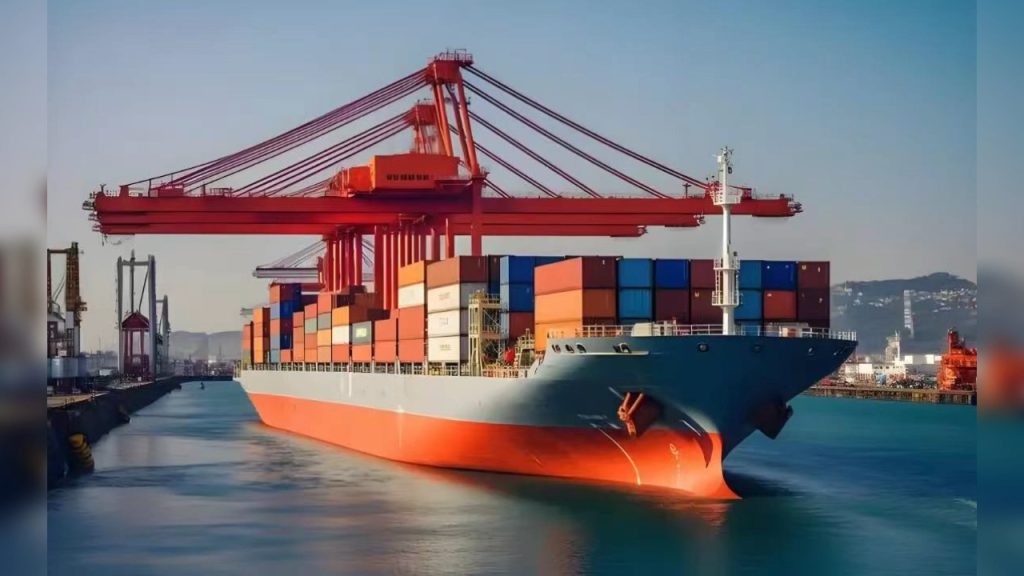
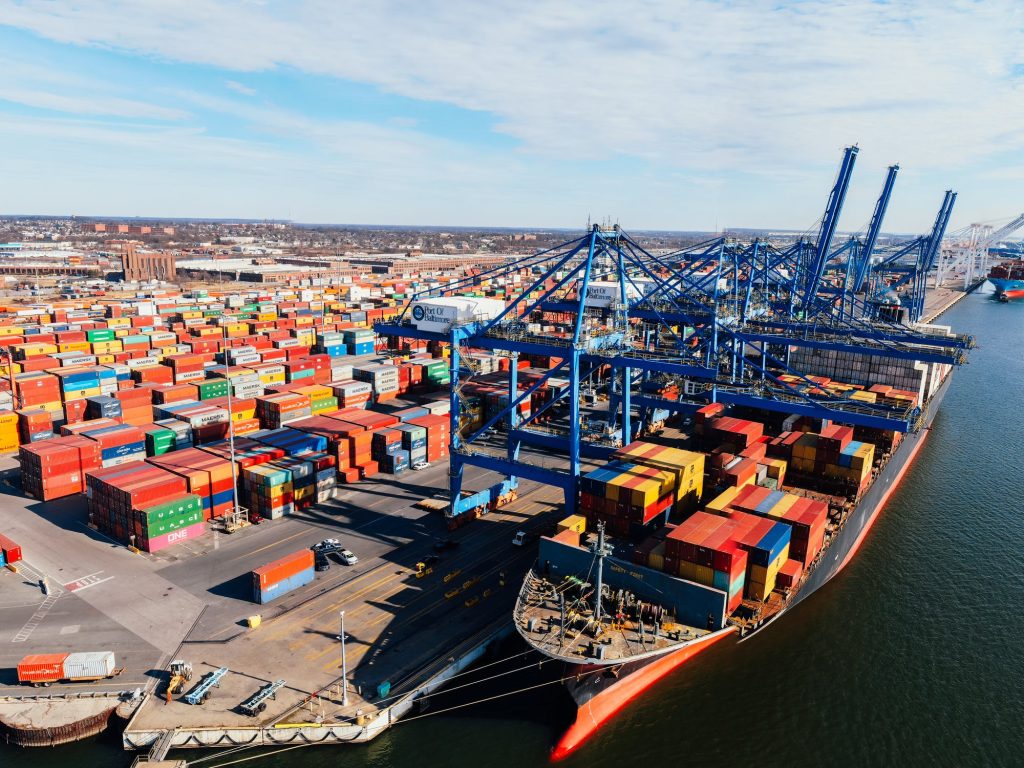
The Port of Rotterdam is the largest and most important seaport in Europe. Located in the Netherlands, it serves as the main maritime gateway connecting Asia with the European Union. For importers who ship smaller volumes, LCL (Less than Container Load) shipping from China to Rotterdam is a flexible, cost-effective, and scalable solution.
In this guide, we will cover everything you need to know about LCL shipping to Rotterdam, including transit time, cost structure, customs clearance, documentation, cargo types, and how to optimize your European supply chain.
1. Why Choose LCL Shipping to Rotterdam?
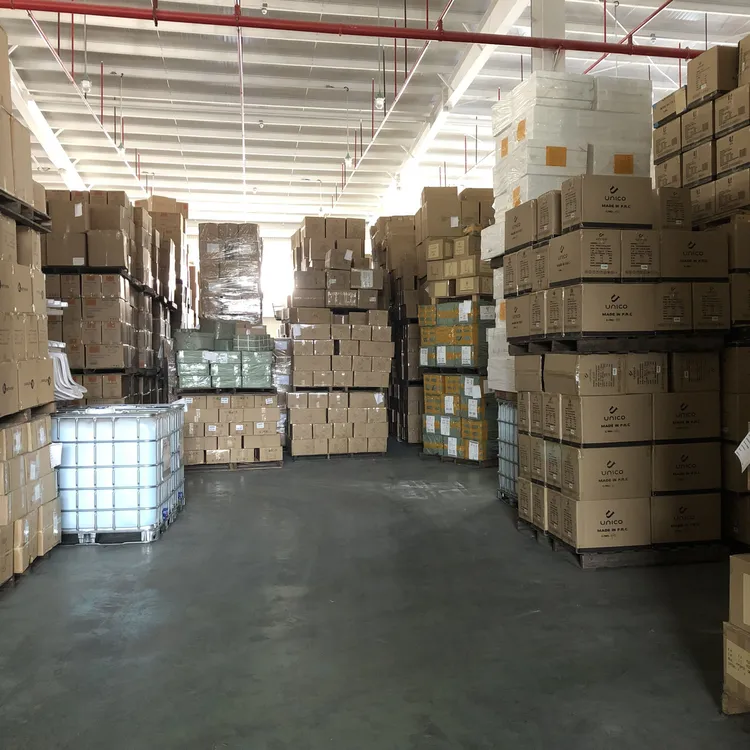
LCL shipping allows multiple shippers to share one container. Instead of paying for a full container, you only pay for the space your cargo occupies.
Key advantages include:
- Lower upfront logistics cost
- Flexible shipment sizes
- Frequent weekly sailings
- Access to the entire European market
- Professional consolidation services
- Efficient inland distribution
For small and medium-sized importers, LCL is the most practical way to enter the European market.
2. Major Chinese Ports Offering LCL to Rotterdam
Regular LCL services to Rotterdam are available from most major Chinese ports:
- Shanghai
- Ningbo
- Shenzhen
- Guangzhou
- Qingdao
- Tianjin
- Xiamen
- Dalian
Most routes operate weekly, with stable schedules and multiple carrier options.
3. Transit Time from China to Rotterdam (LCL)
Transit time varies based on the port of origin and consolidation schedule.
| Departure Port | Estimated Transit Time (LCL) |
|---|---|
| Shanghai | 30–35 days |
| Ningbo | 30–35 days |
| Shenzhen | 32–38 days |
| Guangzhou | 32–38 days |
| Qingdao | 32–37 days |
| Tianjin | 35–40 days |
LCL shipments typically take slightly longer than FCL due to cargo consolidation and deconsolidation.
4. LCL Shipping Cost Structure
LCL shipping costs are charged by CBM (cubic meter) or weight, whichever is higher.
Common charges include:
- Origin handling charges
- Export documentation fee
- Consolidation fee
- Ocean freight
- Destination handling charges
- Deconsolidation fee
- Customs clearance fee
- Local delivery (optional)
While the per-unit cost is higher than FCL, LCL avoids the need to pay for unused container space.
5. Common Products Shipped via LCL to Rotterdam
Typical LCL cargo from China to Rotterdam includes:
- Consumer electronics
- Furniture
- Lighting products
- Home décor
- Tools and hardware
- Fashion accessories
- Packaging materials
- Auto parts
- Promotional items
- Small machinery
Many shipments are redistributed from Rotterdam to Germany, France, Belgium, Italy, and Spain.
6. Required Documents for LCL Shipping
To avoid delays, ensure the following documents are prepared correctly:
- Commercial Invoice
- Packing List
- Bill of Lading (HBL/MBL)
- Certificate of Origin (if required)
- Import declaration
- Product compliance documents (CE, MSDS, etc.)
Europe has strict compliance rules, so accuracy is essential.
7. Customs Clearance in Rotterdam
The Netherlands has one of the most efficient customs systems in Europe. Rotterdam is known for its fast clearance process and digitalized procedures.
Advantages include:
- High clearance speed
- Transparent regulations
- Strong anti-corruption standards
- Advanced risk management systems
However, VAT, EORI registration, and product compliance must be handled carefully.
8. Warehousing and Distribution in Rotterdam
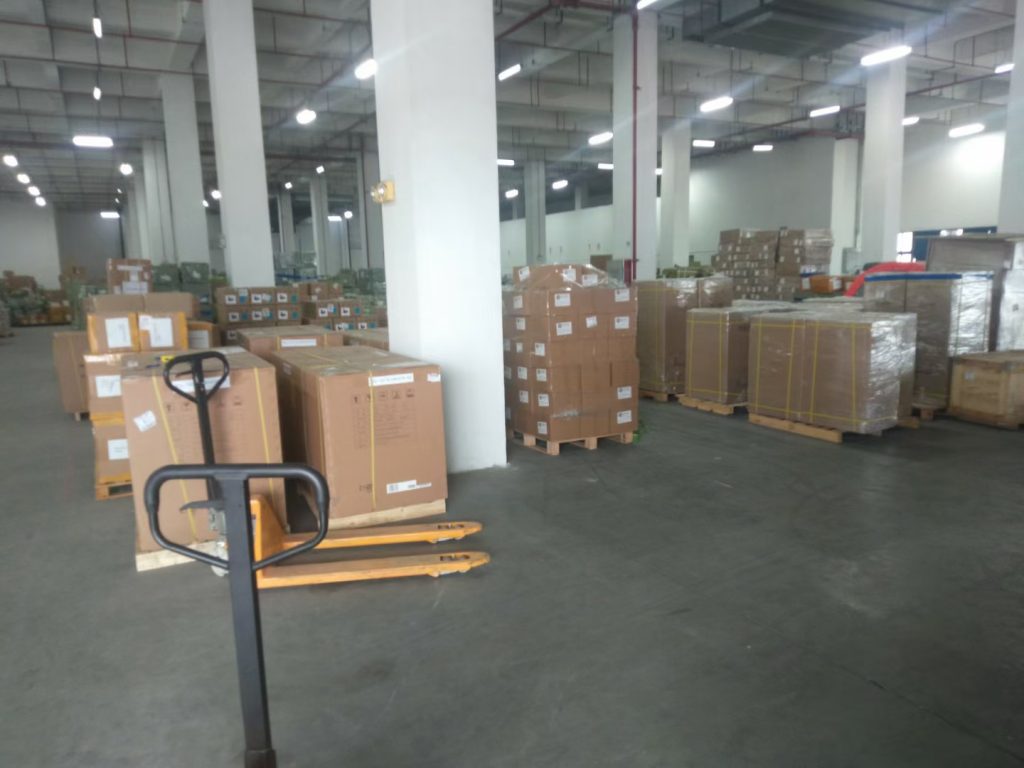
Rotterdam is a logistics powerhouse. After arrival, you can use:
- Bonded warehouses
- E-commerce fulfillment centers
- Cross-docking facilities
- Palletization services
- Labeling and repacking
- Pan-European delivery networks
This makes Rotterdam an ideal hub for EU distribution.
9. LCL vs FCL for European Imports
| Factor | LCL | FCL |
|---|---|---|
| Cost | Lower for small volumes | Lower for bulk shipments |
| Flexibility | High | Medium |
| Speed | Slightly slower | Faster |
| Risk | Shared container | Exclusive container |
| Best For | SMEs, trial orders | Large importers |
If your cargo is under 15 CBM, LCL is usually the better choice.
10. How to Reduce LCL Shipping Costs
To optimize your LCL shipments:
- Use compact packaging
- Avoid peak seasons (Aug–Oct)
- Combine multiple suppliers into one LCL
- Ensure correct HS codes
- Minimize storage time
- Work with experienced consolidators
11. Why Rotterdam Is Europe’s Top Gateway
Rotterdam connects Europe to the world. Its key strengths include:
- Deep-water port access
- Excellent rail, truck, and barge networks
- Advanced automation
- Strong customs efficiency
- Strategic EU location
From Rotterdam, you can reach over 400 million consumers within 24–48 hours.
12. Final Thoughts
LCL shipping from China to the Port of Rotterdam is a smart choice for businesses entering or expanding in Europe. It allows you to control costs, test new markets, and scale gradually without large financial risk.
With world-class infrastructure and seamless European connectivity, Rotterdam remains the most strategic entry point into the EU.