

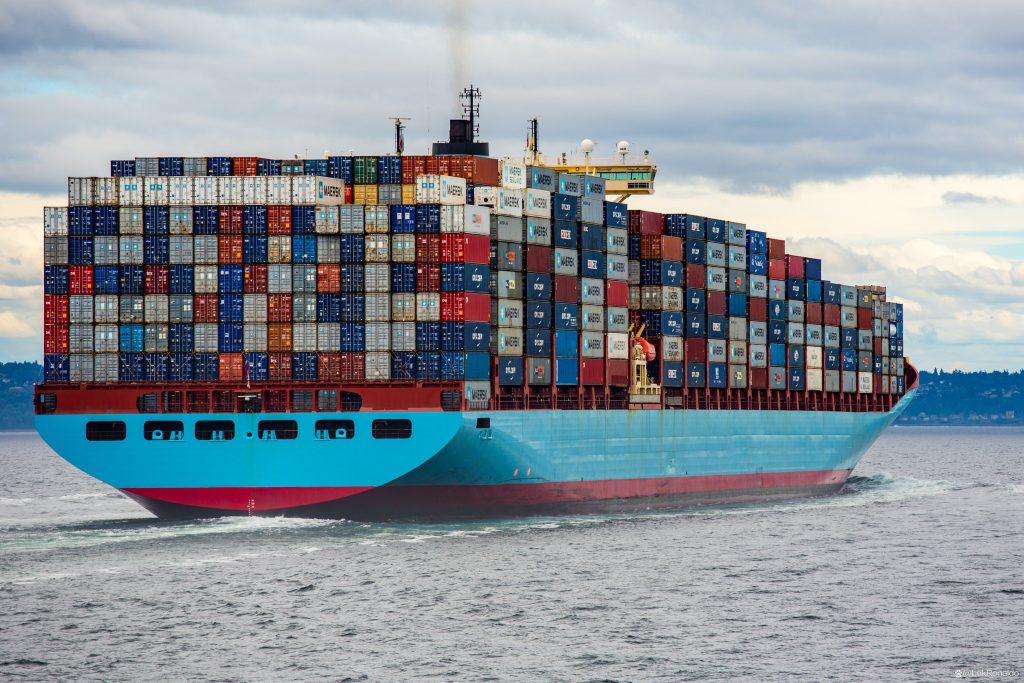
Lagos Port is the largest and busiest seaport in Nigeria, serving as the main gateway for imports and exports in West Africa. Strategically located along the Atlantic coast, it handles the majority of cargo entering Nigeria and serves as a hub for surrounding countries like Benin, Togo, and Ghana. For small and medium-sized businesses shipping goods from China, LCL (Less than Container Load) shipping to Lagos provides a flexible, cost-effective, and reliable solution.
This guide will walk exporters through the LCL shipping process, transit times, costs, documentation, customs clearance, common cargo types, and tips to ensure smooth shipments to Lagos.
1. Why LCL Shipping to Lagos Is Ideal
LCL shipping allows exporters to share a container, paying only for the space their cargo occupies. This is especially useful for small shipments, trial orders, or businesses testing the Nigerian market.
Key advantages of LCL shipping to Lagos include:
- Lower shipping costs for small shipments
- Flexible shipment sizes and schedules
- Frequent consolidations from major Chinese ports
- Access to the Nigerian market and West Africa
- Professional handling at origin and destination
- Lower financial risk compared to full container shipments
With Nigeria’s rapidly growing economy and high consumer demand, Lagos Port remains a strategic entry point for businesses expanding in Africa.
2. Major Chinese Ports Offering LCL to Lagos
Exporters can ship LCL cargo to Lagos from most major Chinese ports:
- Shanghai
- Ningbo
- Shenzhen
- Guangzhou
- Qingdao
- Xiamen
- Tianjin
- Dalian
Most of these ports provide weekly or bi-weekly consolidations to Lagos, ensuring reliable and predictable schedules.
3. Transit Time from China to Lagos (LCL)
Transit times vary depending on the departure port and shipping line. LCL shipments may take slightly longer than FCL due to container consolidation and deconsolidation.
| Departure Port | Estimated Transit Time (LCL) |
|---|---|
| Shanghai | 28–35 days |
| Ningbo | 28–35 days |
| Shenzhen | 30–36 days |
| Guangzhou | 30–36 days |
| Qingdao | 32–38 days |
| Tianjin | 34–40 days |
4. LCL Shipping Costs to Lagos
LCL shipping costs are generally calculated based on CBM (cubic meter) or weight, whichever is higher. Typical cost components include:
- Origin handling and documentation in China
- Consolidation fee
- Ocean freight
- Destination handling charges at Lagos Port
- Deconsolidation fee
- Customs clearance fees
- Optional inland delivery
For shipments under 15–20 CBM, LCL is often the most cost-effective option.
5. Common Products Shipped via LCL to Lagos
Typical LCL cargo from China to Lagos includes:
- Consumer electronics
- Furniture and home décor
- Apparel and textiles
- LED lighting and electrical equipment
- Small machinery and tools
- Kitchenware and household items
- Auto parts and accessories
- Packaging materials
- Promotional items
Lagos Port is also a hub for distributing goods to other Nigerian cities and neighboring West African countries.
6. Required Documents for LCL Shipping
To ensure smooth customs clearance, exporters should prepare:
- Commercial Invoice
- Packing List
- Bill of Lading (HBL/MBL)
- Certificate of Origin (if required)
- Import permits for restricted goods (food, chemicals, electronics)
- Product compliance certificates (if applicable)
Accurate documentation helps avoid delays and fines.
7. Customs Clearance in Lagos / Nigeria
Nigerian Customs requires:
- Payment of import duties and VAT (usually 7.5% VAT + applicable duties)
- Accurate HS codes and product descriptions
- Permits for restricted items (food, pharmaceuticals, electronics)
- Use of professional freight forwarders to handle customs procedures
Most LCL shipments clear customs in 3–5 business days if documentation is complete.
8. Warehousing and Distribution in Lagos
Lagos has modern logistics facilities and warehouses:
- Bonded and free-zone warehouses
- Repacking and labeling services
- Cross-docking and inventory management
- Temperature-controlled storage
- Inland delivery to major Nigerian cities
These facilities make Lagos a key hub for West African distribution.
9. LCL vs FCL for Nigerian Imports
| Factor | LCL | FCL |
|---|---|---|
| Cost | Lower for small shipments | More economical for bulk |
| Flexibility | High | Medium |
| Transit Time | Slightly longer | Faster |
| Risk | Shared container | Lower (exclusive container) |
| Best For | SMEs, small shipments | Large importers |
For shipments under 15 CBM, LCL is generally the most practical option.
10. Tips for Optimizing LCL Shipping to Lagos
- Consolidate shipments from multiple suppliers
- Use efficient and compact packaging
- Avoid peak shipping seasons to prevent port congestion
- Double-check documentation and HS codes
- Partner with experienced freight forwarders familiar with Lagos
- Track shipments online to monitor progress
11. Why Lagos Port Is Strategic
- Largest and busiest port in Nigeria
- Deep-water access for large vessels
- Strong inland connectivity to cities like Abuja, Port Harcourt, and Kano
- Modern container handling and logistics facilities
- Efficient customs clearance with professional forwarders
Lagos Port serves as Nigeria’s gateway for international trade and West African distribution.
12. Conclusion
LCL shipping from China to Lagos Port is a flexible, cost-effective, and reliable solution for small and medium-sized exporters targeting Nigeria and West Africa. With modern port infrastructure, efficient customs processes, and strong inland connectivity, Lagos is a strategic entry point for growing your business in the region.
By working with professional freight forwarders and preparing accurate documentation, exporters can minimize delays, reduce costs, and successfully expand their operations in Nigeria and beyond.