


Introduction: Why China Freight Forwarders Matter in Global Trade
China has been the world’s largest manufacturing hub for decades. From electronics and machinery to furniture, textiles, and consumer goods, millions of importers worldwide rely on Chinese factories every day. However, producing goods is only half of the equation. Getting those goods safely, legally, and cost-effectively from China to international markets is where professional freight forwarding becomes essential.
For overseas buyers, navigating China’s logistics system can be complex. Language barriers, export regulations, port congestion, customs clearance, and constantly changing shipping rates all create challenges. This is why working with a reliable China freight forwarder is often the smartest decision for importers of all sizes.
This guide explains everything you need to know about freight forwarding in China: what freight forwarders do, how the process works, shipping methods, costs, common mistakes, and how to choose the right partner for your business.
What Is a China Freight Forwarder?
A China freight forwarder is a logistics service provider that arranges the transportation of goods from China to overseas destinations on behalf of exporters or importers. Rather than physically owning ships or airplanes, freight forwarders coordinate with carriers, customs authorities, trucking companies, warehouses, and ports to move cargo efficiently.
Their role is to act as a single point of contact, managing complex logistics tasks so that buyers can focus on sourcing, sales, and business growth.
Typical services provided by China freight forwarders include:
- Export documentation preparation
- Booking air, sea, rail, or multimodal transport
- Cargo consolidation (LCL) and full container services (FCL)
- Customs clearance in China and destination countries
- Warehousing and cargo storage
- Door-to-door delivery solutions
- Cargo insurance arrangement
Why Importers Choose Freight Forwarders in China
Many overseas buyers initially try to manage shipping themselves. Over time, most realize that professional freight forwarding saves time, reduces risk, and lowers overall costs.
1. Expertise in Chinese Export Procedures
China has strict export regulations, documentation requirements, and customs procedures. A local freight forwarder understands these processes and ensures shipments comply with all legal requirements.
2. Cost Optimization
Freight forwarders negotiate rates with shipping lines and airlines based on volume. This often results in better pricing than individual shippers can obtain directly.
3. Reduced Risk and Delays
Incorrect documents, misdeclared cargo, or poor route planning can cause costly delays. Experienced forwarders identify potential problems early and solve them before they escalate.
4. Time Savings
Managing international logistics requires constant coordination. A freight forwarder handles communication with carriers, ports, and customs authorities, saving importers valuable time.
Main Shipping Methods Used by China Freight Forwarders
Sea Freight from China
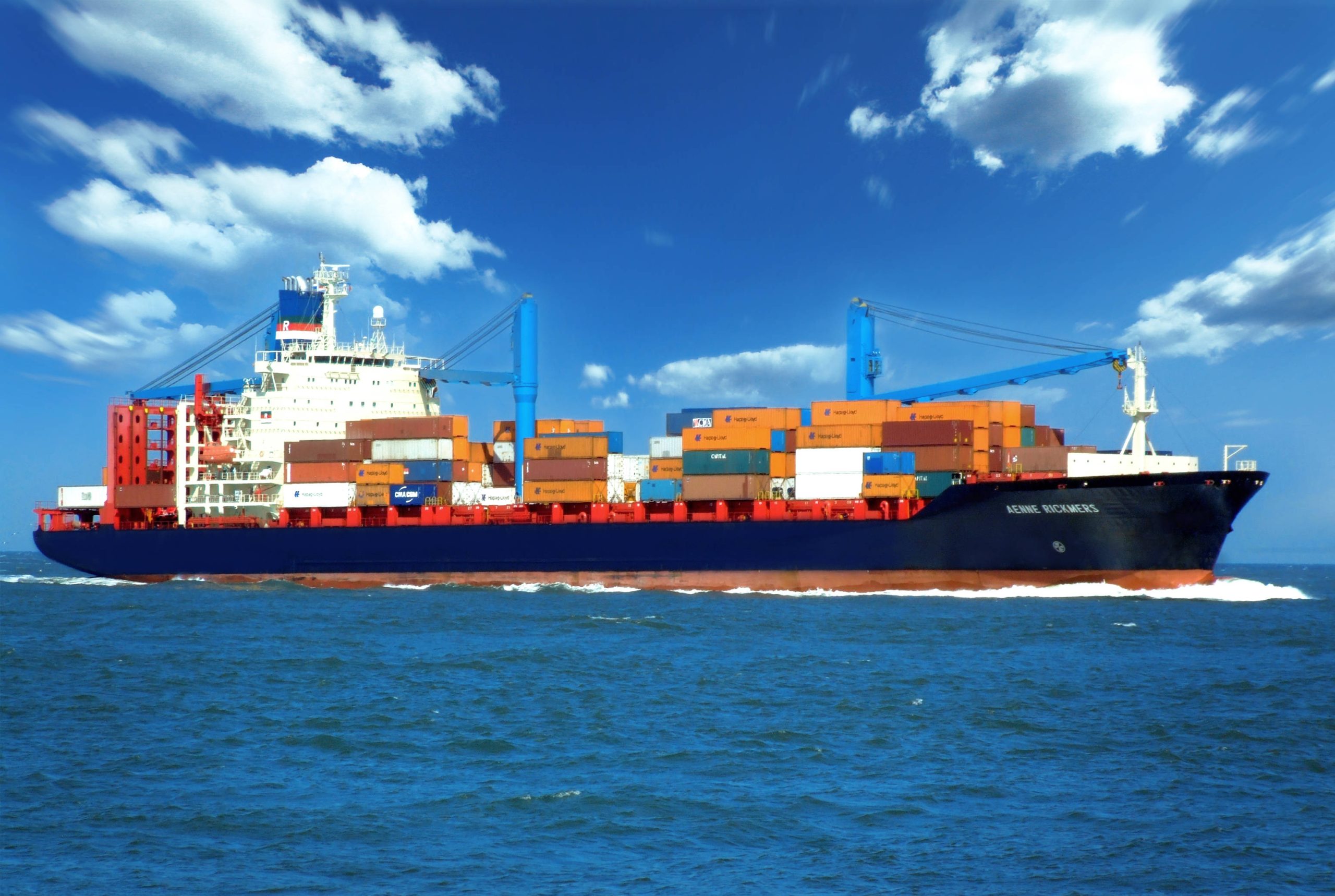
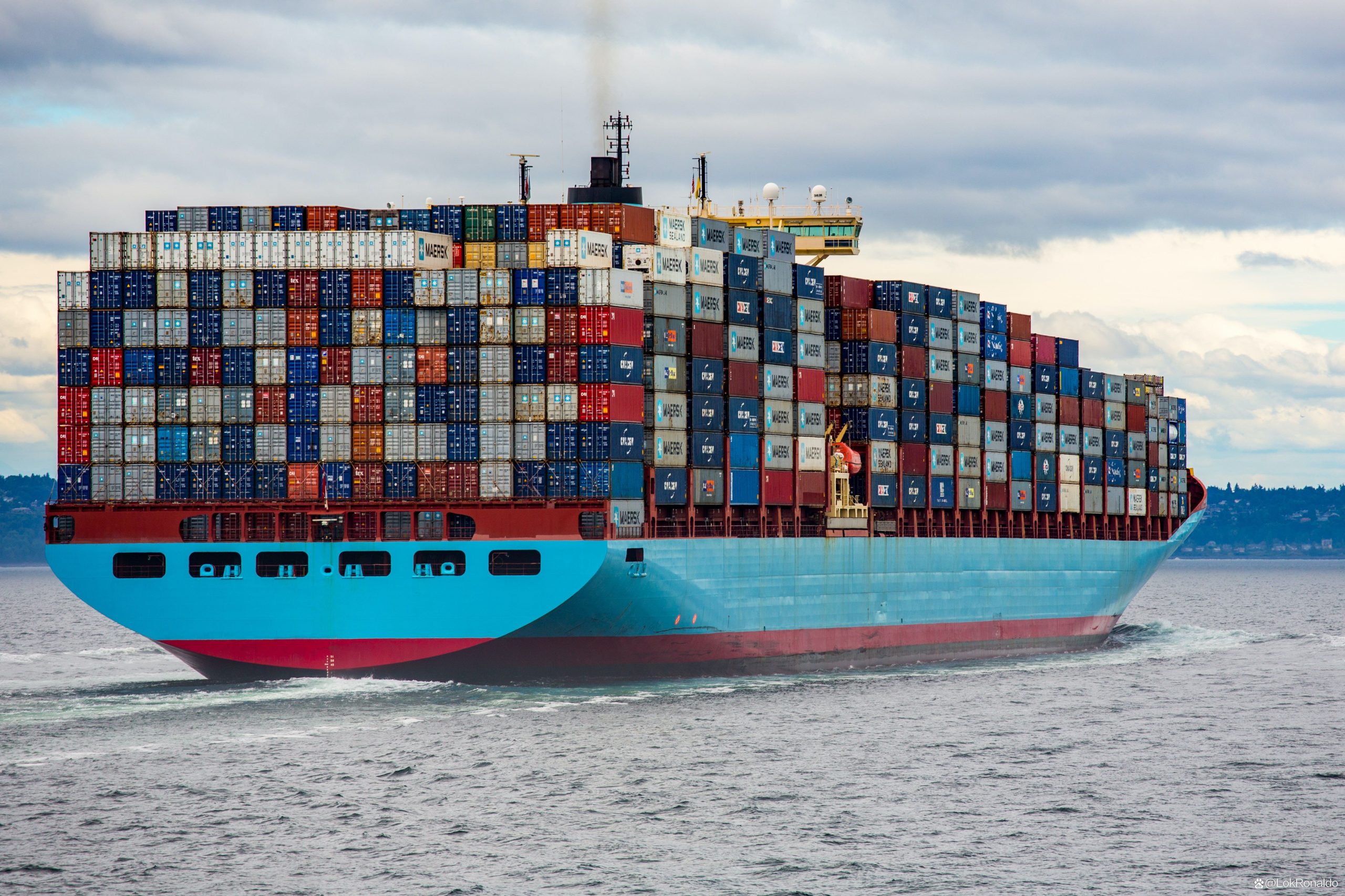
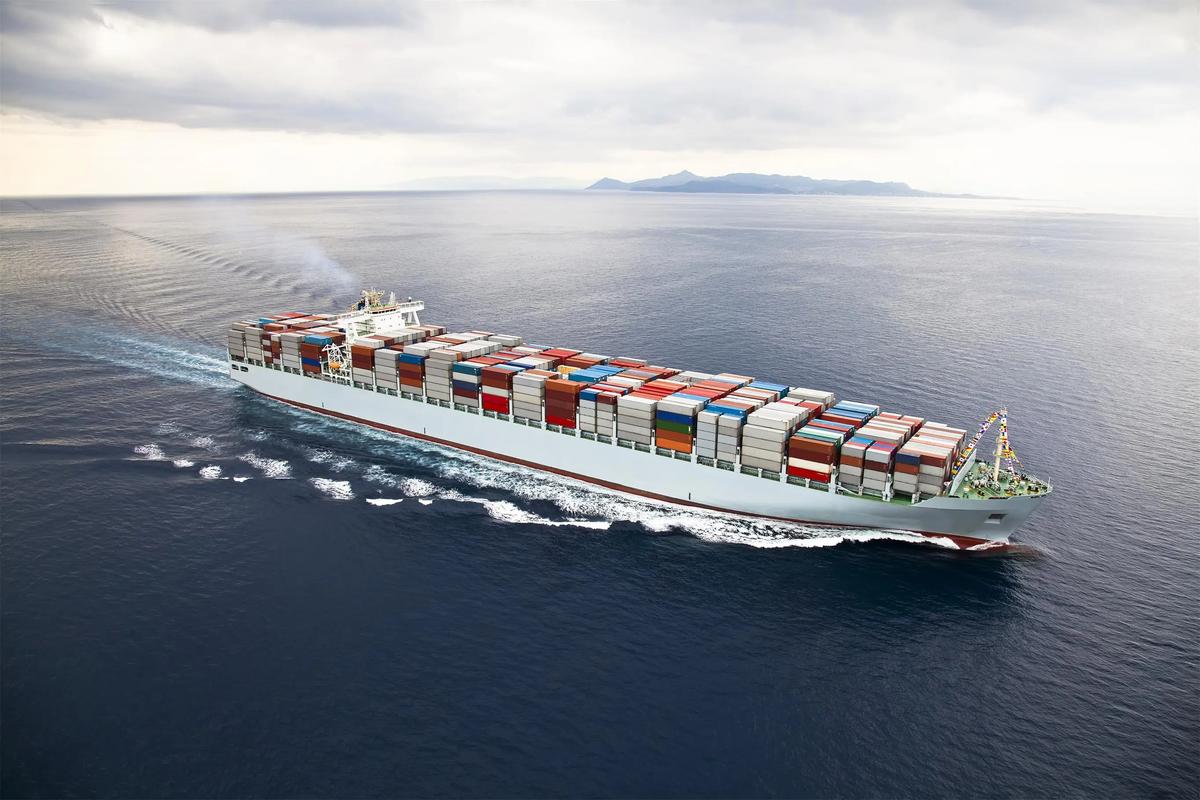
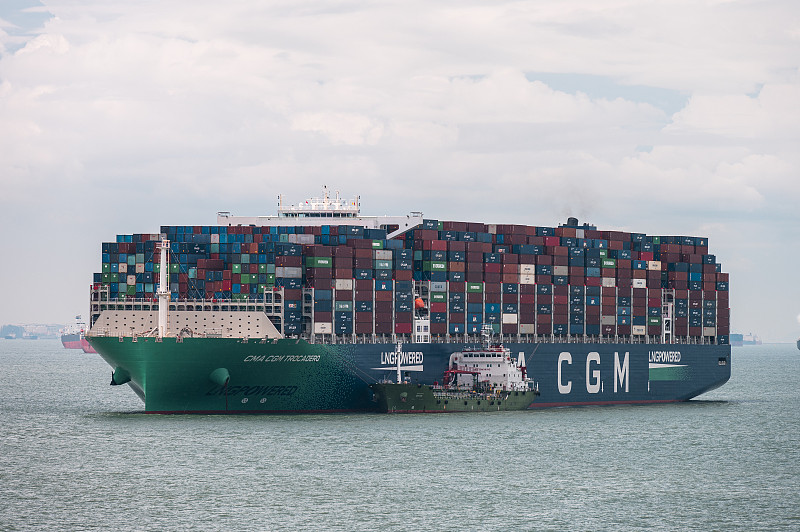
Sea freight is the most widely used shipping method for international trade from China. It is cost-effective and suitable for large or heavy shipments.
FCL (Full Container Load)
- One shipper uses the entire container
- Faster transit and lower risk of damage
- Ideal for large volumes
LCL (Less than Container Load)
- Cargo shared with other shippers
- Lower upfront cost for small shipments
- Slightly longer transit times
Sea freight is commonly used for furniture, machinery, building materials, and bulk consumer goods.
Air Freight from China
Air freight is chosen when speed is critical. While more expensive than sea freight, it offers fast delivery and high reliability.
Best for:
- Electronics and high-value products
- Time-sensitive shipments
- Samples and urgent orders
China air freight hubs include Shanghai, Shenzhen, Guangzhou, and Beijing.
Rail Freight from China
Rail freight has grown rapidly, especially for shipments between China and Europe. It offers a balance between cost and transit time.
Advantages:
- Faster than sea freight
- Cheaper than air freight
- More stable schedules for certain routes
Multimodal and Door-to-Door Shipping
Many China freight forwarders provide integrated solutions combining sea, air, rail, and trucking. Door-to-door shipping allows cargo to be collected from the factory and delivered directly to the final destination.
Understanding Incoterms When Shipping from China
Incoterms define the responsibilities of buyers and sellers in international trade. Choosing the right Incoterm affects cost, risk, and control.
Common Incoterms used with China freight forwarders:
- EXW (Ex Works): Buyer handles all logistics from factory
- FOB (Free on Board): Seller delivers goods to the port
- CIF (Cost, Insurance, Freight): Seller covers shipping to destination port
- DDP (Delivered Duty Paid): Seller or forwarder handles everything
Professional freight forwarders help buyers select the most suitable Incoterm based on their experience and risk tolerance.
The Step-by-Step Freight Forwarding Process in China
Step 1: Cargo Information Confirmation
The forwarder collects shipment details including product type, dimensions, weight, destination, and timeline.
Step 2: Quotation and Route Planning
Based on requirements, the forwarder provides shipping options, transit times, and pricing.
Step 3: Booking and Cargo Pickup
Once confirmed, space is booked with carriers and cargo is collected from the factory or warehouse.
Step 4: Export Customs Clearance
The forwarder prepares export documents and clears customs in China.
Step 5: International Transportation
Cargo is transported via sea, air, or rail to the destination country.
Step 6: Import Customs Clearance
The forwarder or partner agent assists with customs clearance at destination.
Step 7: Final Delivery
Cargo is delivered to the buyer’s warehouse, distribution center, or final address.
Costs of Using a China Freight Forwarder
Freight forwarding costs depend on multiple factors:
- Shipping method (air, sea, rail)
- Cargo volume and weight
- Origin and destination
- Seasonality and market demand
- Additional services required
Typical cost components include:
- Freight charges
- Origin handling fees
- Customs clearance fees
- Destination charges
- Fuel surcharges
- Insurance (optional)
A transparent freight forwarder will clearly explain all costs upfront.
Common Mistakes Importers Make When Shipping from China
Choosing the Cheapest Quote Only
Low prices often hide extra fees or poor service quality. Reliability and transparency matter more than price alone.
Incomplete or Incorrect Documentation
Errors in invoices, packing lists, or HS codes can cause customs delays and fines.
Poor Communication with Suppliers
Lack of coordination between factory and forwarder can lead to missed deadlines or incorrect shipments.
Ignoring Insurance
Unexpected events such as damage or loss can happen. Cargo insurance provides essential protection.
How to Choose the Right Freight Forwarder in China
1. Industry Experience
Look for forwarders with experience handling your type of cargo.
2. Strong Communication
Clear, timely communication in English is critical for overseas clients.
3. Transparent Pricing
A reliable forwarder provides detailed quotations without hidden charges.
4. Global Network
International agent networks ensure smooth customs clearance and delivery.
5. Value-Added Services
Warehousing, consolidation, and compliance support add long-term value.
China Freight Forwarders for E-commerce and Amazon FBA
With the growth of cross-border e-commerce, many freight forwarders specialize in Amazon FBA logistics.
Services include:
- FBA labeling and packaging
- Consolidation from multiple suppliers
- Amazon warehouse appointment booking
- DDP shipping solutions
Choosing an experienced FBA freight forwarder reduces compliance risks and inventory delays.
The Future of Freight Forwarding in China
Digitalization, automation, and sustainability are reshaping the logistics industry. Many China freight forwarders now use online tracking systems, digital documentation, and data analytics to improve efficiency.
At the same time, global supply chains are becoming more diversified, increasing demand for flexible and knowledgeable logistics partners.
Conclusion: Partnering with a China Freight Forwarder for Long-Term Success
Shipping goods from China does not have to be complicated. With the right freight forwarder, importers gain access to expertise, cost control, and reliable global logistics solutions.
Whether you are a first-time importer or an established international buyer, working with a professional China freight forwarder allows you to reduce risks, save time, and focus on growing your business.
A strong logistics partner is not just a service provider—it is a critical part of your global supply chain success.